

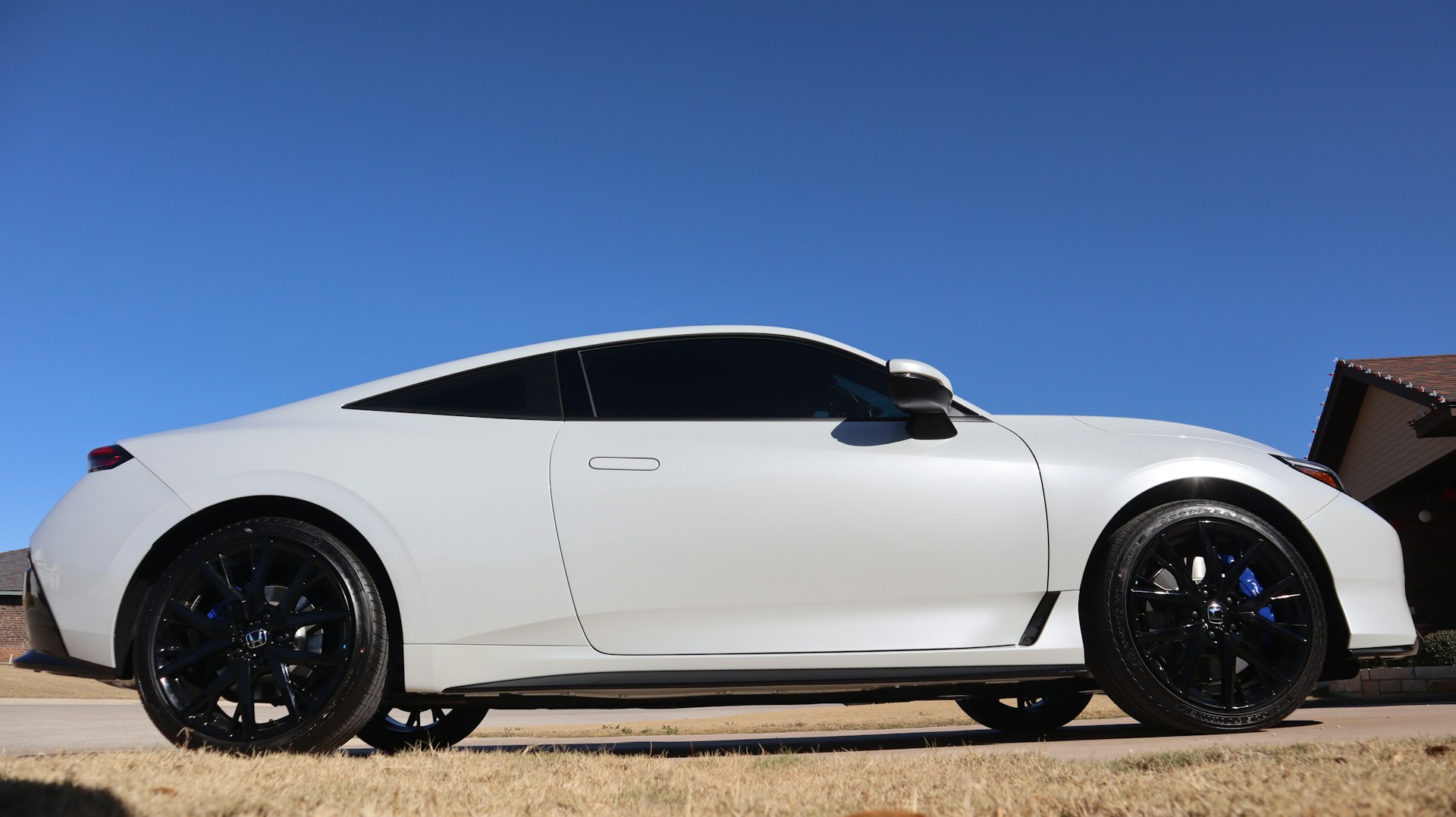
Late-Spring Habits That Cost Port Washington Drivers
Late-spring on the North Shore means more quick beach runs, ice cream stops with the family, and weekend drives along Shore Road. It also means more humidity, more stop-and-go traffic, and longer days in the car. That is exactly when small issues that were easy to ignore in winter start to show up.
Many Honda drivers around Port Washington stay on top of regular oil changes. The problem is, some simple seasonal checks get skipped. Those skipped checks can hurt safety, cut into fuel economy, and lead to big repair bills right when you want your Honda ready for fun, not sitting in a service bay.
A focused late-spring check does not have to take a lot of time or planning. With the right checklist, you can catch weak spots before midsummer heat and traffic expose them. Below, we will walk through the Honda maintenance in Port Washington that drivers forget, and how to fit it into a busy schedule before Memorial Day traffic and summer road trips kick in.
Cooling System Checks Before Summer Traffic Jams
As temperatures rise, your cooling system goes from “coasting” through winter to working hard again. Stop-and-go backups on Route 25A and Northern Boulevard, plus warmer days, mean your radiator, coolant, and hoses are under a lot more stress than they were a few months ago.
Drivers often remember to look at the coolant only if there is a clear problem, like a warning light. Before the first real hot spell, it helps to have a technician:
- Check coolant level and condition in the reservoir
- Inspect radiator and heater hoses for soft spots, cracks, or swelling
- Look at clamps and connections for small leaks or crusty buildup
- Confirm radiator fans switch on and off the way they should
Skipping these checks can turn into a big headache. A minor leak can become a blown hose in bridge or tunnel traffic. Old coolant can lose its protective qualities, which can lead to overheating and damage to engine parts. That is the kind of repair that often could have been avoided with a quick cooling system inspection.
A late-spring visit for Honda maintenance in Port Washington is a smart time to catch these problems. It is much easier to fix a weak hose in a service bay than to deal with an overheated engine on the side of the road.
Air Conditioning and Cabin Comfort Drivers Delay
A lot of drivers wait until the first 80-degree weekend to test their AC for the season. They turn the dial, get warm air or a strange smell, then have to fight for an appointment during the busiest part of the year. That delay can mean driving around hot and uncomfortable while you wait for an opening.
Late-spring is the perfect time to have the AC system checked so it is ready before the heat and humidity land. A good AC check usually includes:
- Measuring air temperature at the vents on different fan speeds
- Inspecting and possibly replacing the cabin air filter
- Checking refrigerant level and looking for any signs of leaks
- Cleaning or treating areas that can cause musty or moldy odors
In Port Washington, humidity can creep up fast, especially near the water. A weak AC system does more than make you sweat. A cool, dry cabin helps cut driver fatigue, keeps everyone more alert, and reduces fog on the inside of the windshield. That means better comfort and better visibility, especially in changing weather.
Tackling AC work in late spring often means more flexible appointment times and fewer surprises. You get ahead of the rush, and your Honda is ready the first time the temperature climbs.
Tires and Brakes After a Tough Long Island Winter
Winter is rough on tires and brakes, even if your daily drive is short. Cold pavement, deep potholes, and salted roads between Glen Head and Port Washington can quietly affect how your Honda stops and handles.
On the tire side, late spring is a smart time to:
- Check tread depth and look for uneven wear
- Set tire pressure now that temperatures are warmer
- Look for sidewall bubbles, cuts, or nails
- Consider a tire rotation or alignment check if the car pulls or the steering wheel is off-center
Proper tire care helps your Honda grip better in sudden rain, improves fuel economy, and can extend tire life. Uneven wear can point to alignment issues that might have started with one hard hit to a winter pothole.
Brakes deserve just as much attention. Road salt and moisture can cause rust and wear on pads, rotors, and hardware over time. Even if the brakes “feel fine,” a technician can check:
- Pad thickness and rotor condition
- Signs of corrosion on brake components
- Brake fluid level and condition
Late spring is a calm time to make sure your Honda stops confidently before you load it up with people and gear for summer trips and beach traffic.
Battery, Wipers, and Visibility Many Forget
Batteries take a beating in winter, then often quit right when the weather turns hot. A battery that struggled in the cold may not show any signs until the first hot day when it simply will not start. That is not a fun surprise at the train station, marina, or grocery store parking lot.
A simple late-spring battery check should include:
- Testing battery voltage and overall health
- Inspecting battery terminals for corrosion
- Checking how the charging system is working with the battery
Wipers and the washer system are easy to forget until a sudden storm hits. In late spring, you are dealing with pollen, tree sap, and quick, heavy downpours. It helps to:
- Replace blades that streak, chatter, or miss spots
- Make sure washer nozzles spray correctly
- Top off washer fluid with a mix suited for warmer weather
Visibility is also about lights and glass. Longer, sunnier days can create more glare, especially on Shore Road or the Long Island Expressway. A quick walk around your Honda to check headlights, brake lights, and turn signals, plus a good cleaning of both the inside and outside of the glass, can make a big difference.
Turn Late-Spring Maintenance Into a Simple Routine
The easiest way to stay ahead of problems is to make late May your yearly reminder for a quick seasonal check. You do not need to think about every system all the time. Just focus on a simple list:
- Cooling system
- AC and cabin comfort
- Tires and alignment
- Brakes and brake fluid
- Battery and charging system
- Wipers, washer fluid, lights, and glass
Having these items checked together in one visit keeps things simple. Factory-trained technicians who know Honda vehicles can look for small issues before they grow, and using genuine Honda parts helps support long-term reliability and warranty protection.
At North Shore Honda in Glen Head, we see how late-spring attention pays off when summer driving picks up around Port Washington and nearby communities. A little planning now means your Honda is ready for busy city commutes, relaxed beach days, and weekend getaways, without last-minute repairs getting in the way.
Schedule Trusted Care For Your Honda Today
Keeping your vehicle running smoothly is easier when you have a dedicated service team you can rely on. Schedule your next service with our experts and experience why drivers choose our Honda maintenance in Port Washington for long-lasting performance. At North Shore Honda, we make it simple to book an appointment, discuss service needs, or ask questions about your maintenance schedule. If you are ready to talk with our team, you can also contact us today.
Connect with us


- July 2026
- June 2026
- May 2026
- April 2026
- March 2026
- February 2026
- December 2025
- October 2025
- July 2025
- May 2025
- April 2025
- March 2025
- August 2024
- July 2024
- June 2024
- April 2024
- March 2024
- January 2024
- July 2023
- May 2023
- April 2023
- March 2023
- November 2022
- October 2022
- September 2022
- August 2022
- July 2022
- June 2022
- May 2022
- April 2022
- March 2022
- January 2022
- July 2021
- April 2021
- January 2021
- December 2020