

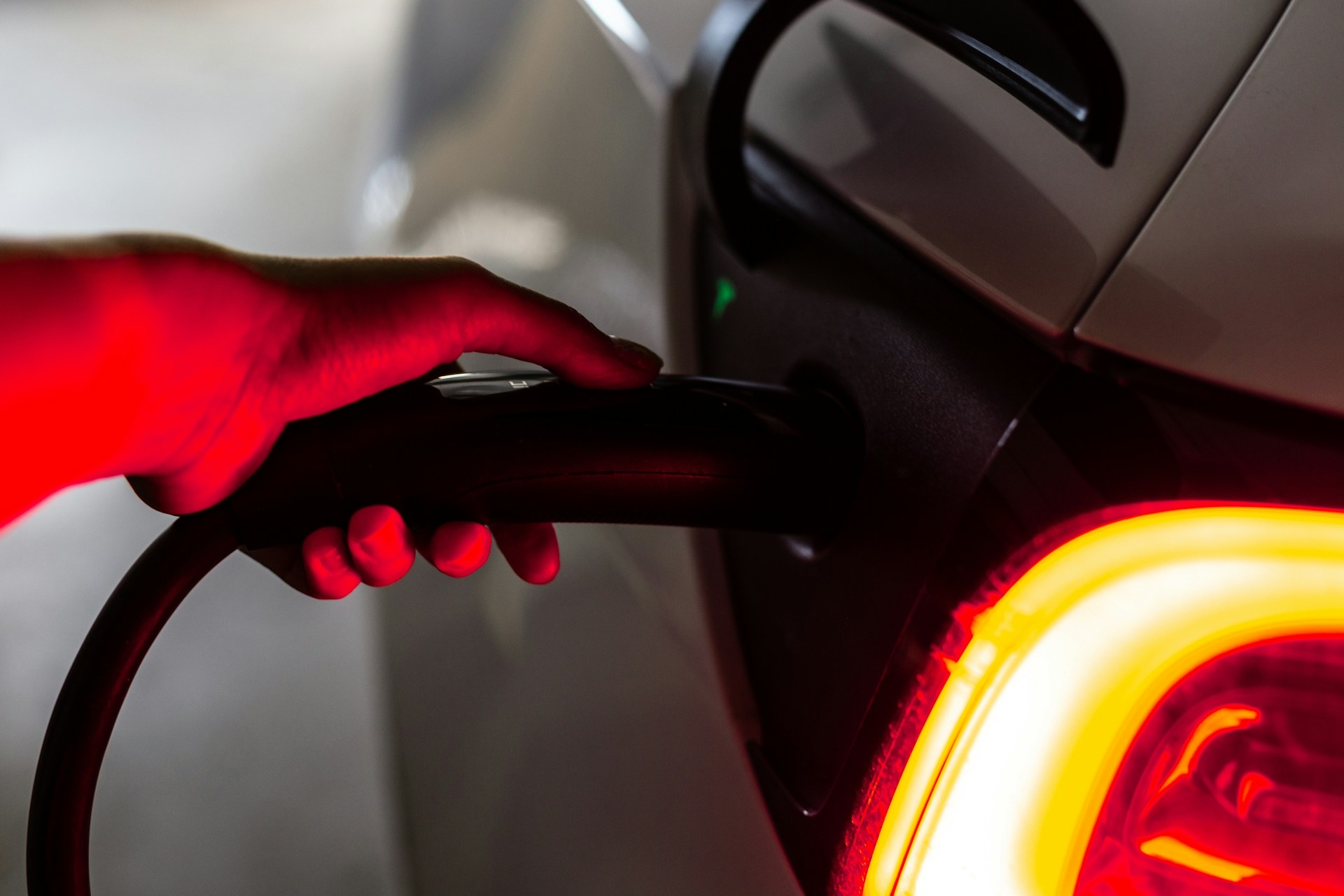
Charge at Home, Drive More Around Port Washington
Home charging is one of the best parts of owning an electric vehicle. You plug in at night, sleep, and wake up to a full battery. No gas stops, no last-minute fuel runs before work, just a car that is ready to go.
For drivers thinking about a Honda EV for sale in Port Washington, home charging turns everyday driving into something simple and low-stress. Commuting to the city, school drop-offs, runs to the train station, and weekend drives along the North Shore all feel easier when your car charges while you relax at home.
To get there, you will want to decide what kind of home setup makes sense for you. We will walk through Level 1 vs. Level 2 home charging, the key questions to ask a licensed electrician, basic permitting around Long Island, and what helps shape real-world install costs so you can be ready before colder weather arrives.
Level 1 vs. Level 2 Home Charging Basics
Level 1 charging uses a standard 120-volt household outlet. It is the slowest way to charge, since it adds only a small amount of range each hour. For some drivers with short daily trips and plenty of time parked at home, that can still work.
Key points about Level 1 charging:
- Uses a normal three-prong outlet
- Often fine for low-mileage drivers
- Can be a good option in apartments where upgrades are limited
- Usually best as a starting point, not a long-term solution for heavy driving
Level 2 charging uses a 240-volt circuit, similar to what powers an electric dryer. This type of charger is usually installed on a dedicated breaker and is much faster, often enough to refill most of the battery overnight. That speed feels especially helpful in winter when range can drop in cold weather.
Level 2 charging often fits:
- Daily commuters parking at home overnight
- Families juggling school, sports, and activities
- Drivers who take regular weekend trips around Long Island
- Anyone who wants to rely less on public charging
For many people looking at a Honda EV for sale in Port Washington, Level 1 can cover very light use, but Level 2 usually offers a better balance of convenience and long-term ownership value.
Questions to Ask Your Electrician Before You Install
Before you buy a home charger, it helps to bring a licensed electrician to your home and walk through a few key points together. This keeps the project safe, code-compliant, and easier to grow with over time.
First, talk about your electrical capacity. Ask:
- How many amps can my current panel safely support?
- Will I need a panel upgrade to add a Level 2 circuit?
- What circuit size do you recommend for my Honda EV or plug-in hybrid?
Next, plan the location and hardware. You will want the charger to be easy to reach without cords stretched across walkways. Discuss:
- Whether the charger should go in the garage or outside near the driveway
- How long the cable should be to reach your parking spot
- Protection from rain, snow, and road salt
- If a wall-mounted or pedestal-style unit works better for your space
Then, cover safety, permits, and the future. Good questions here include:
- Will you use GFCI protection where required?
- Will this work follow the National Electrical Code and local rules in the Village of Port Washington or Town of North Hempstead?
- Can we size the wiring so I can upgrade to a higher-output charger or add a second EV later?
A short, clear talk with your electrician at the start can prevent surprises and help your setup last as your needs change.
Permitting and Code Rules on Long Island
On Long Island, EV chargers are usually treated a lot like other 240-volt home appliances. In many areas, that means you need a permit and a final inspection when the work is done. Your electrician should be familiar with the normal steps in Port Washington and across Nassau County.
Typical parts of the process often include:
- Submitting a simple electrical permit application
- Providing basic plans or a description of the work
- Completing the installation to local code
- Scheduling an inspection so the work can be approved
The timeline can stretch a bit during late summer and early fall as more projects are under way. That is one reason it is smart to plan ahead instead of waiting for the first cold snap and early sunsets. Having your home charger ready before winter makes daily driving more comfortable.
If you live in a condo, co-op, or a community with a homeowners association, there may be extra steps. Some properties may ask for:
- Written approval from the board or property manager
- A parking space agreement if you are adding a charger near shared spots
- Documentation that a licensed electrician did the work
- Proof that the installation meets local fire and safety rules
Checking these details early helps you avoid delays once your Honda EV is on the way.
Estimated Costs to Install Level 1 and Level 2 Charging
Level 1 setups are often the simplest. Many homes already have 120-volt outlets in the garage or near the driveway. In some cases, you may only need an electrician to confirm that an existing outlet is on a proper circuit, is grounded correctly, and is in a safe location. If not, they may install a new dedicated outlet closer to where you park.
Level 2 installations can involve more planning, so the price can change based on your home. Common cost factors include:
- How far the charger is from the main electrical panel
- Whether the panel has room for another breaker or needs an upgrade
- If the electrician must run conduit through walls or outside
- The type of charger and any outdoor-rated hardware needed
Because every house is different, it helps to get a detailed quote after a site visit instead of relying on a single ballpark number. Your electrician can explain what drives the cost in your specific home.
There may also be New York State or utility rebates for EV chargers, along with possible electric rate plans that reward home charging. A faster Level 2 setup can reduce how often you rely on public DC fast-charging, which can help your overall cost of ownership over time.
Get Your Home EV Ready Before Your Honda Arrives
If you are shopping for a Honda EV or plug-in model, it is smart to start your home charging plan early. A quick walk-through with a licensed electrician before delivery can give you clear answers about your panel, the best charger location, and what type of setup makes sense for your daily driving.
The team at North Shore Honda can be a helpful resource as you compare options. We can talk through charger features that pair well with different Honda models and share up-to-date information about local incentives and common questions we hear from other Port Washington drivers getting ready for home charging.
Explore Electric Driving With Confidence Today
If you are ready to make the switch to electrified driving, we invite you to explore the right Honda EV for sale in Port Washington for your lifestyle and budget. At North Shore Honda, our team will walk you through charging options, incentives, and ownership costs so you can decide with confidence. Reach out to our team anytime through our contact page to schedule a test drive or ask questions before you visit.
Connect with us


- August 2026
- July 2026
- June 2026
- May 2026
- April 2026
- March 2026
- February 2026
- December 2025
- October 2025
- July 2025
- May 2025
- April 2025
- March 2025
- August 2024
- July 2024
- June 2024
- April 2024
- March 2024
- January 2024
- July 2023
- May 2023
- April 2023
- March 2023
- November 2022
- October 2022
- September 2022
- August 2022
- July 2022
- June 2022
- May 2022
- April 2022
- March 2022
- January 2022
- July 2021
- April 2021
- January 2021
- December 2020