Protect Your Honda with Timely Brake Service
Safe braking is one of the most important parts of driving around Hicksville and the rest of Long Island. Between busy local roads, tight parking lots, and sudden slowdowns on the parkways, you count on your Honda to stop the moment you press the pedal. When the brakes are in good shape, you feel calm and in control.
Catching brake problems early helps your Honda stop with confidence in light rain, through leftover winter road grime, and during quick traffic changes on the Long Island Expressway or Jericho Turnpike. Small brake issues can grow into bigger repairs if you ignore them. Learning the early signs keeps you safer and can save time and stress later.
Our goal here is simple: help drivers around Hicksville, and nearby areas spot clear signs that their Honda needs brake attention and know when it is time to look for Honda brake service. When you know what to look and listen for, you can act before things get worse.
Common Warning Signs Your Brakes Need Attention
Your Honda will usually give you some warning before the brakes become a serious problem. Paying attention to changes in sound, feel, and stopping power can tell you a lot.
One of the most common early signs is strange noise when you press the brake pedal. You might hear:
- High-pitched squealing or screeching
- Grinding or scraping sounds
- A sharp chirping that comes and goes with wheel speed
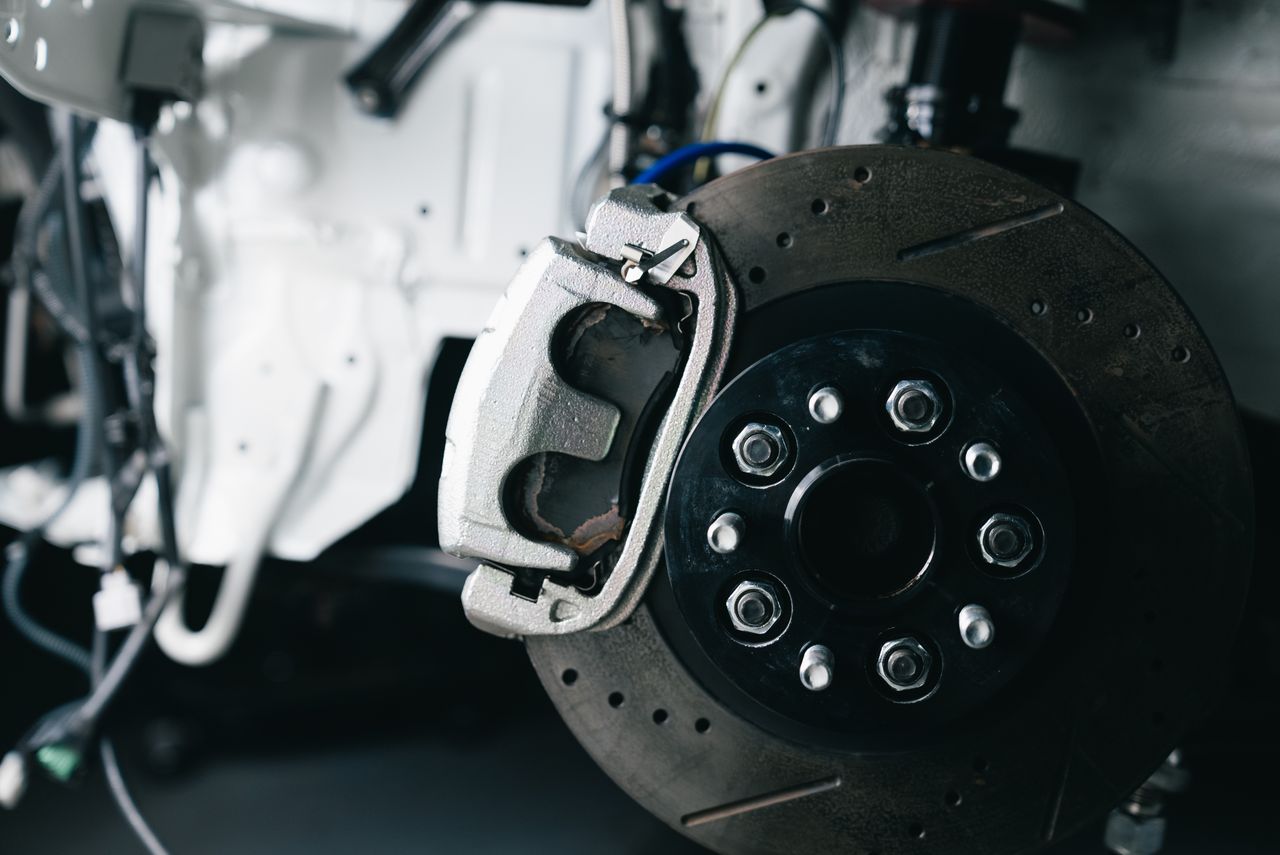
Squealing can mean the brake pad wear indicators are touching the rotor, which is your cue to get the pads checked soon. Grinding often means the pads are worn down so far that metal is contacting the rotor surface. That can lead to deeper damage if you keep driving.
How the brake pedal feels under your foot is just as important. Pay attention if:
- The pedal feels soft or spongy
- The pedal sinks lower than normal before the brakes grab
- The pedal or steering wheel vibrates when you brake
A soft pedal can point to air in the brake lines or worn parts in the system. Vibration can be a sign of warped rotors or uneven pad wear, especially when it shows up during downhill or highway braking.
Reduced stopping power is a big red flag that should never be ignored. Warning signs include:
- Longer stopping distances than you are used to
- Having to press harder than normal to slow down
- The vehicle pulling to one side when you apply the brakes
If you notice any of these, your brakes need a prompt inspection. Pulling can mean uneven braking on one side of the car, which affects control in an emergency stop.
Dashboard Alerts and Brake Light Clues
Your dashboard can also tell you when it is time to think about Honda brake service. Modern Hondas use different brake-related warning lights, and each one has its own meaning.
The red brake system light is one you should never ignore. It can signal:
- Low brake fluid
- A problem in the brake system
- A parking brake that is still engaged
If this light stays on after you release the parking brake, or it comes on while you are driving, your brake system needs to be checked as soon as possible.
Many Hondas also have an ABS light for the Anti-lock Braking System. This system helps prevent the wheels from locking up during hard stops, especially on wet or slick roads. If the ABS light comes on and stays on, it can mean a problem with a sensor or another ABS part, which may affect how the system helps you during sudden stops.
When warning lights show up at the same time as odd noises, a soft pedal, or pulling, that is a clear sign it is time for a professional to inspect your brakes. Driving around hoping the light will go off on its own can lead to unsafe conditions, especially when traffic is heavy or the roads are wet.
Seasonal Brake Concerns Around Hicksville
Long Island weather and road conditions can be tough on brakes, especially as winter turns to spring. Even when the snow is gone, the effects can linger.
Road salt, moisture, and cold temperatures can speed up wear and cause corrosion on metal brake parts. Potholes and rough pavement can also put stress on brake components and suspension, which may change how your Honda feels when stopping. That is why early spring is a smart time to have your brakes inspected, even if nothing feels “wrong” yet.
Spring showers bring slick roads and more standing water. Around Hicksville, Syosset, Levittown, and nearby areas, you may deal with:
- Stop-and-go commuting toward Queens or Nassau job centers
- School drop-offs and pickups on side streets
- Start-and-stop traffic on the parkways and main routes
All of this adds up to more frequent braking. Over time, that can wear down pads and rotors faster, especially if you often brake hard in traffic. Having reliable brakes is especially important when the road is wet and you might need to slow down quickly for sudden backups.
Why Professional Honda Brake Service Matters
Brakes are not something you want to guess on. Having trained technicians inspect and service your Honda helps keep the whole system working together the way it was designed.
Factory-trained Honda technicians work with Honda models every day. They understand how the braking system is laid out on different models like the Accord, Civic, CR-V, Pilot, and others, and they know the common wear patterns on these vehicles. That experience helps them spot issues that a general repair shop might miss.
Using genuine Honda parts is another big advantage. Quality OEM pads, rotors, and brake fluid are designed to match your vehicle. They help:
- Maintain the braking feel you are used to
- Reduce noise and vibration
- Support the performance the system was built for
When you bring your Honda to a dealership service center, brake service usually includes a full inspection, not just a quick pad swap. A professional brake visit often covers:
- Measuring pad and rotor thickness
- Inspecting calipers, brake lines, and hardware
- Checking brake fluid level and condition
- Looking for leaks or corrosion
- A test drive to confirm proper operation
This kind of complete checkup helps catch small problems before they turn into bigger repairs.
How to Choose Honda Brake Service
When it is time for brake work, choosing the right place to go matters. Not every repair shop has the same training or tools.
It is a good idea to look for:
- Technicians who are trained to work on Hondas
- Modern diagnostic equipment that can read Honda brake and ABS systems
- Access to genuine Honda parts
Convenience and clear communication also make a big difference in your experience. Many drivers around Hicksville prefer a service center that offers:
- Helpful service advisors who explain what they find in simple terms
- Written estimates before work begins
- Service specials that can apply to brake work
- Comfortable waiting areas or options if you need to leave the vehicle
Online tools can make caring for your Honda even easier. With an online service scheduler, you can pick a day and time that fits your weekday or weekend plans, then show up knowing the team is ready for your vehicle. Searching for Honda brake service and choosing a trusted local dealership gives you peace of mind that your brakes are being handled the right way.
Keep Your Honda Stopping Safely With Expert Brake Care
If you are searching for Honda brake service near me, our certified technicians at North Shore Honda are ready to help you keep every stop smooth and secure. We will inspect your entire braking system, explain what we find in plain language, and recommend only the services you truly need. Schedule your visit online today or contact us with any questions before you come in.
Connect with us


- July 2026
- June 2026
- May 2026
- April 2026
- March 2026
- February 2026
- December 2025
- October 2025
- July 2025
- May 2025
- April 2025
- March 2025
- August 2024
- July 2024
- June 2024
- April 2024
- March 2024
- January 2024
- July 2023
- May 2023
- April 2023
- March 2023
- November 2022
- October 2022
- September 2022
- August 2022
- July 2022
- June 2022
- May 2022
- April 2022
- March 2022
- January 2022
- July 2021
- April 2021
- January 2021
- December 2020