
Keep Your Honda Healthy After Long Island Heatwaves
Heatwaves around Hicksville can feel like they pass in a few days, but your Honda feels the stress long after the temperature drops. Extreme heat pushes your battery, AC, fluids, tires, and brakes harder than normal driving. Even if your car seems fine, hidden damage can show up weeks later as a no-start, weak AC, or warning light.
Post-heatwave care is a bit different from a regular oil change visit. High temperatures speed up wear on parts under the hood, especially anything that holds fluid or depends on electrical power. With the right checks, you can catch small problems early and keep your Honda ready for daily errands, commutes, and summer drives around Long Island.
In this guide, we will walk through how heat can affect your battery and electrical system, AC performance, fluids, tires, and brakes. We will also share what you can quickly look at home and when it makes sense to get professional Honda service in Hicksville, NY before your next road trip.
Heat-Stressed Honda Batteries and Electrical Systems
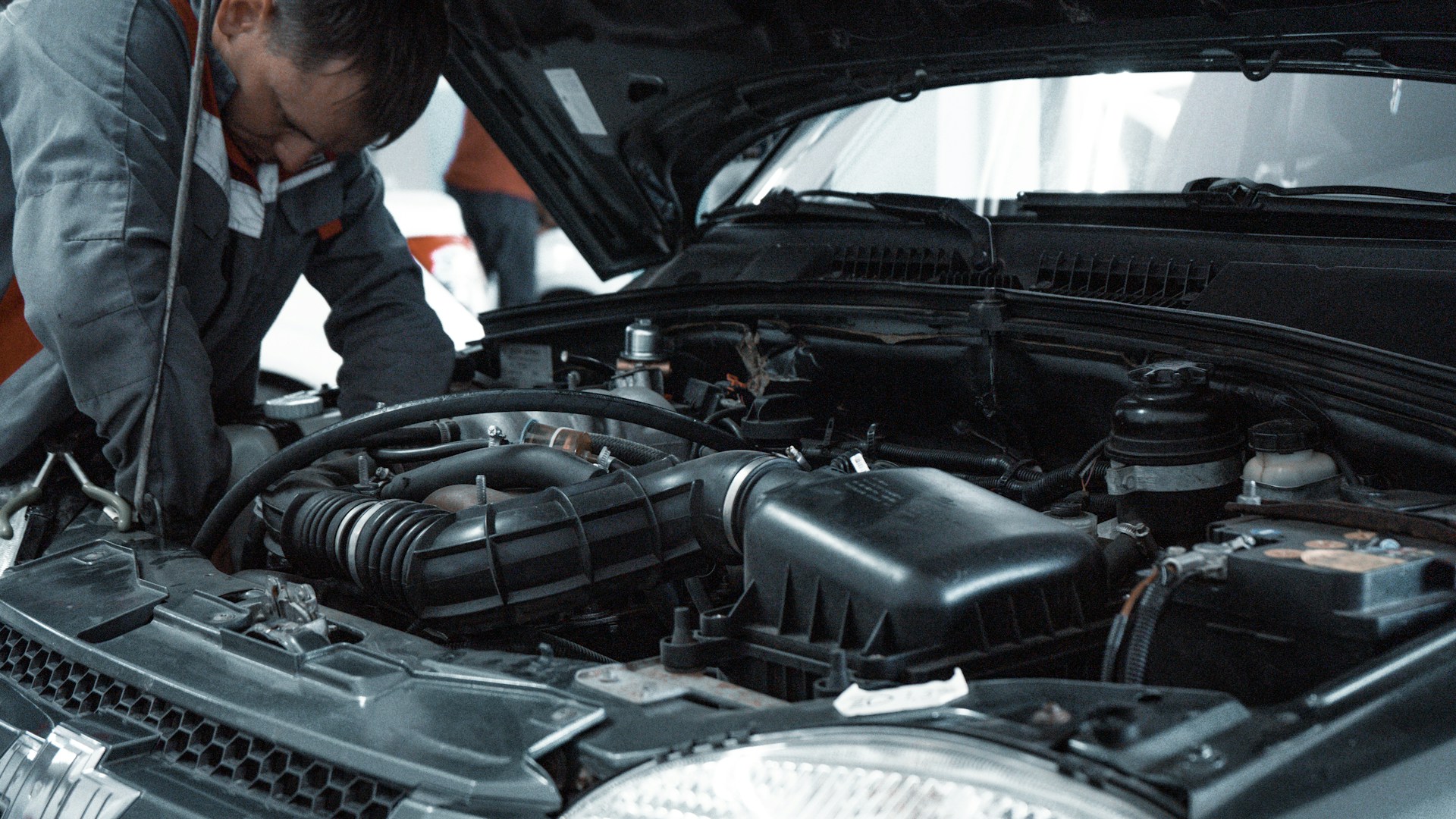
Under the hood, temperatures can climb far higher than the air outside. During a heatwave, that extra heat can evaporate battery fluid, warp internal plates, and shorten the life of the battery, even if it still starts your car. You might not notice anything right away, but the battery can be left weaker and more likely to fail later.
After a stretch of very hot days, it helps to give your battery a quick check. At home, you can look and listen for simple warning signs:
- Corrosion or white, crusty buildup on the battery terminals
- A bloated, swollen, or cracked battery case
- Slow cranking when you start the engine
- Headlights that look dim right after startup
- Battery or charging warning lights on the dashboard
These signs can point to a battery that was stressed by the heat or a charging system that is not working at its best. Even if things seem normal, a professional battery test can tell you how much life is left in the battery and if the alternator is charging correctly.
A full electrical check after a heatwave can also help prevent annoying and unsafe issues, such as:
- Power windows that move slowly or stop halfway
- Infotainment screens that reset or flicker
- Safety or driver-assist systems that act inconsistently
Heat can be tough on fuses, wiring, and connections. Catching weak spots early helps you avoid being stuck in a parking lot with a dead battery or dealing with random electrical glitches on a busy weekend drive.
Restoring Peak AC Performance After Extreme Heat
During a heatwave, your AC does a lot of heavy lifting. Long runs at high fan speeds can strain the compressor, blower motor, and fans. The cabin air filter also traps more dust and pollen when you keep windows closed, which can slowly choke airflow. By the time the next round of hot days arrives, the system may not cool as strongly as before.
Watch for these AC warning signs after extreme heat:
- Weak airflow from the vents, even on higher fan settings
- Longer cooldown times when you first start driving
- Musty, dusty, or sour smells from the vents
- Clicking, squealing, or grinding sounds when the AC turns on
- Air that feels cooler at highway speeds but warmer when idling
These clues can point to low refrigerant, a dirty or clogged condenser, a worn cabin air filter, or other AC parts that have taken a hit from heavy use. Simply topping off refrigerant without checking for leaks is not a good fix. It is better to have a trained technician inspect the entire system, check refrigerant levels, and confirm everything is working to factory specs.
An AC performance check in late spring is a smart habit for Hicksville drivers who deal with traffic, beach trips, and regular commuting. With a healthy system, your Honda will cool down faster and stay comfortable even in slow-moving traffic on local roads or highways.
Critical Fluid Checks When Temperatures Spike
Your Honda relies on several fluids to keep the engine cool, gears shifting smoothly, and brakes stopping cleanly. Extreme heat can thin certain fluids, speed up oxidation, and expose weak spots in hoses, gaskets, and seals. That can lead to overheating or other issues when you are stuck in stop-and-go traffic around Long Island.
The key fluids to pay attention to after a heatwave include:
- Engine oil
- Coolant or antifreeze
- Transmission fluid
- Brake fluid
- Power steering fluid (if your model uses it)
Heat can cause engine oil to break down faster, so it may not protect as well between oil changes. Coolant that is old or low can struggle to keep engine temperatures in a safe range. Transmission and brake fluids can also age faster in higher heat, which can affect shift quality and braking performance.
There are a few simple visual checks you can do:
- Look at fluid levels using the dipsticks and reservoir markings
- Notice fluid color. Very dark or burnt-smelling fluids can be a concern.
- Check for wet spots or stains under the car or around hoses and connections
Modern Hondas are designed to work with specific fluid types. Mixing the wrong fluids can cause more problems, so topping off at home is not always a good idea. A professional multi-point inspection is the safer way to confirm levels are correct, fluids are clean, and the cooling system is holding proper pressure without leaks.
Protecting Tires and Brakes After Hot Roads
Road surfaces across Hicksville and nearby areas can get extremely hot in sunny weather. That heat transfers into your tires and brakes. When temperatures swing up and down, tire pressure can change quickly, and rubber can age faster. Rough pavement and potholes add extra stress, which can show up as uneven wear or damage.
After a heatwave, it helps to give your tires some attention:
- Check air pressure when the tires are cold, not right after driving
- Look for cracks, bulges, or cuts on the sidewalls
- Inspect tread depth across the full width of each tire
- Pay attention to vibrations, pulling, or wandering while driving
These signs can point to low or high pressure, worn tread, or alignment issues. Underinflated tires can overheat more easily and wear out faster, while overinflated tires can lose grip and feel harsh on rough roads.
Brakes also feel the impact of high temperatures, especially during frequent stops in traffic. Heat can glaze brake pads, stress rotors, and affect brake fluid. After a hot spell, watch for:
- Squealing or grinding sounds when braking
- A pulsing brake pedal or vibration when slowing down
- Longer stopping distances
- A soft or spongy feel in the brake pedal
Pairing a tire inspection with a brake check is a smart way to make sure your Honda stops smoothly and tracks straight before long drives or daily school and work runs through Nassau County.
Schedule Your Post-Heatwave Honda Checkup Today
Extreme heat does not simply come and go without a trace. It leaves wear on your Honda’s battery, electrical system, AC, fluids, tires, and brakes. Paying attention to how your vehicle feels and sounds right after a heatwave helps you spot issues early, avoid sudden breakdowns, and keep your drives safer and more comfortable.
For drivers who want extra peace of mind, setting a regular post-heatwave checkup each late spring or early summer is a smart habit. At North Shore Honda, we provide Honda service in Hicksville, NY with factory-trained technicians, genuine parts, and service that fits local driving conditions. A focused inspection after extreme temps can help your Honda stay cool, responsive, and ready for every warm-weather trip ahead.
Keep Your Honda Running At Its Best With Expert Local Care
Trust North Shore Honda to provide the maintenance and repairs your vehicle needs to stay safe, reliable, and fun to drive. Explore our comprehensive guide to Honda service in Hicksville, NY so you know exactly what to expect at every mileage interval. When you are ready to schedule your next visit or have questions about your service options, simply contact us and our team will be happy to help.
Connect with us


- July 2026
- June 2026
- May 2026
- April 2026
- March 2026
- February 2026
- December 2025
- October 2025
- July 2025
- May 2025
- April 2025
- March 2025
- August 2024
- July 2024
- June 2024
- April 2024
- March 2024
- January 2024
- July 2023
- May 2023
- April 2023
- March 2023
- November 2022
- October 2022
- September 2022
- August 2022
- July 2022
- June 2022
- May 2022
- April 2022
- March 2022
- January 2022
- July 2021
- April 2021
- January 2021
- December 2020