

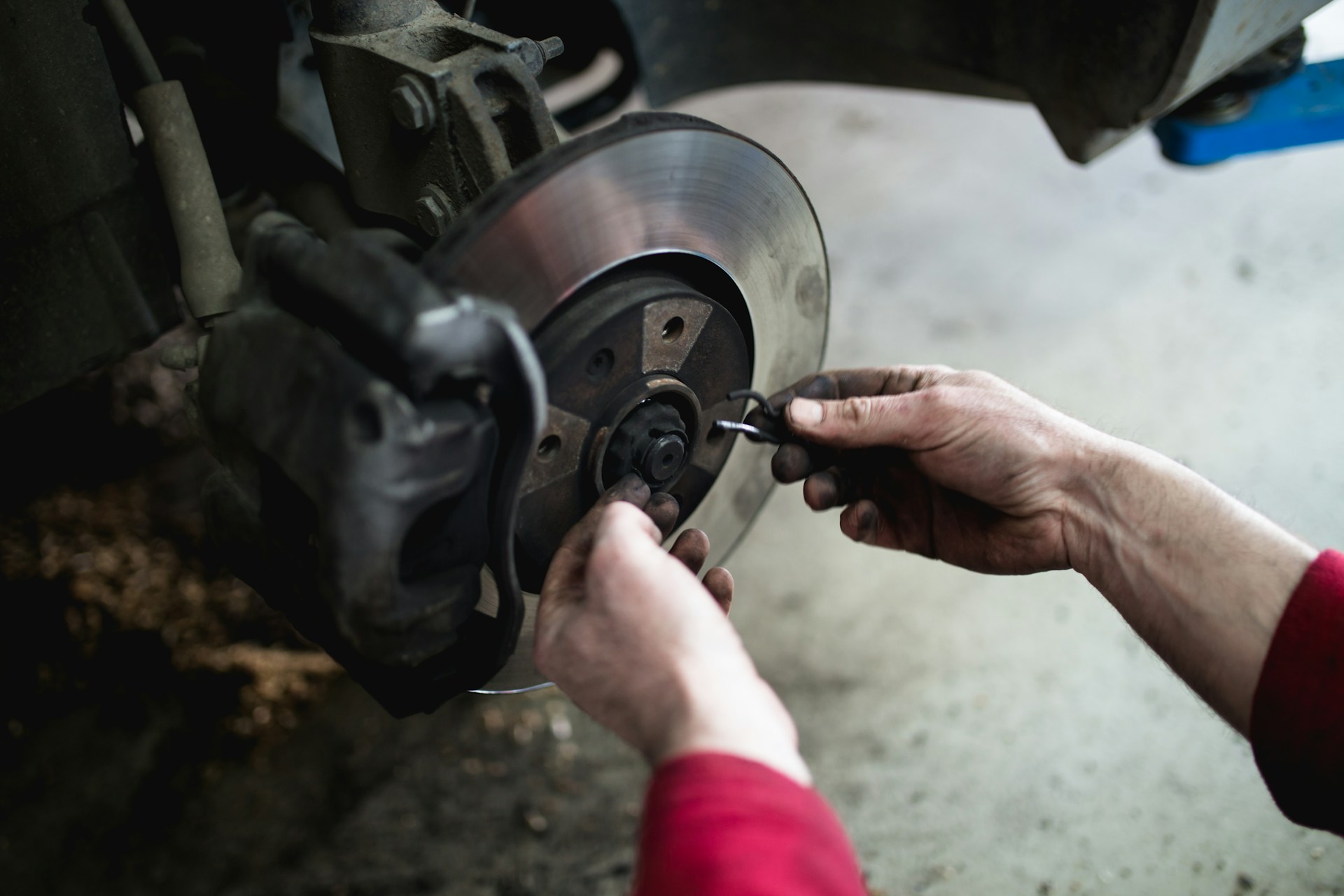
Stop Sooner, Save More with a Smart Brake Service Plan
Brake service in Hempstead, NY matters more than many drivers think. Between stop-and-go traffic, crowded routes to Hempstead Turnpike, the Southern State Parkway, and busy shopping areas near Roosevelt Field, your brakes work hard every single day. All that starting and stopping wears pads and rotors faster, especially when the roads are wet or rough.
Spring is a smart time to get ahead of brake problems. After a long, salty winter and before summer road trips, checking your brakes helps you avoid surprises, saves money, and keeps your Honda ready for daily driving. In this guide, we will walk through how to compare brake quotes, what to know about OEM vs aftermarket parts, and how to judge warranties so you do not overpay or compromise safety.
Know When Your Brakes Are Asking for Help
Your brakes usually tell you when they need attention. Some signs are small at first, but they rarely fix themselves. Watch and listen for:
- Squeaking or grinding when you press the pedal
- A soft, spongy, or low brake pedal
- Shaking, pulsing, or vibration in the steering wheel while braking
- Longer stopping distances or the car pulling to one side
- Red or amber brake warning lights on the dashboard
Around Hempstead and nearby Long Island roads, brakes take a lot of abuse from the environment as well as traffic. Potholes can knock parts out of alignment, coastal moisture can help rust build up on rotors and hardware, and salt left over from winter roads can speed up corrosion on brake lines and calipers.
How often should brakes be checked? A simple rule of thumb:
- Daily commuters into Queens or Manhattan: have brakes inspected at least once a year, or every one or two oil changes, depending on mileage
- Regular Hempstead-area drivers: ask for a brake check at least once a year
- Low-mileage or mostly local drivers: watch for symptoms, and still aim for a yearly inspection
If anything feels off, do not wait. Getting your brakes checked early can keep a small issue from turning into a larger repair.
How to Compare Brake Service Quotes the Smart Way
Not all brake quotes are built the same. A clear, detailed quote helps you understand what you are paying for so you can compare shops fairly and avoid hidden gaps in what is included.
A quality brake quote should list:
- Specific parts, such as pads, rotors, and hardware
- Whether it is for the front brakes, rear brakes, or all four wheels
- Labor, listed as hours or a flat-rate description
- Any extra recommended services, such as a brake fluid flush
- Shop supplies and taxes
When comparing quotes, make sure you are comparing apples to apples:
- Same axle: front vs rear brakes can have different parts and pricing
- Same pad type: ceramic vs semi-metallic, since they behave and last differently
- Same rotor plan: are the rotors being resurfaced or replaced?
- Same part type: OEM Honda parts vs aftermarket parts
It also helps to ask a few quick questions so you know what is included:
- Are the technicians trained and experienced with Honda vehicles?
- Is a test drive included before and after the repair?
- Is there an inspection fee if you do not approve the work?
- Is the quote a firm estimate for your vehicle or just a promotional “starting at” price?
When you get clear answers, it is much easier to choose a brake service you can trust.
OEM vs Aftermarket Brake Parts for Honda Drivers
OEM Honda brake parts are designed to match the original parts your vehicle had from the factory. That generally means pedal feel should be smooth and familiar, stopping performance is tuned for your specific model (like a CR-V, Accord, or Civic), and noise and vibration are controlled to Honda’s standards.
Aftermarket parts cover a wide range, from high-quality brands to very basic options. Some may work well, but others can bring tradeoffs that affect cost and comfort over time, including:
- Shorter lifespan, meaning you replace them more often
- Different pedal feel or stopping performance than you are used to
- More brake dust or squealing noises
Sometimes a lower-priced generic part looks like a bargain, but if it wears out sooner or causes noise issues, it can cost more in the long run.
OEM parts make the most sense when:
- You drive a newer or leased Honda
- You care a lot about quiet operation and smooth braking
- You keep detailed service records for future resale or trade-in
- You want parts that are designed specifically for your Honda
Well-chosen, high-quality aftermarket parts might be an option if you have an older vehicle and you fully understand the tradeoffs. The key is to know exactly what is being installed and why it is recommended.
Understanding Brake Warranties and Service Guarantees
Brake warranties can be confusing, so it helps to break them into simple pieces.
Common types of coverage include:
- Parts-only: covers the pads, rotors, or hardware, but not the labor to replace them
- Parts-and-labor: covers both the parts and the work, usually for a set time or mileage
- Mileage-based: valid up to a certain number of miles
- Time-based: valid for a certain number of months
You may also see “lifetime pads.” This usually means the pad material is covered as long as you own the vehicle, but labor is usually not included, rotors, calipers, and hardware are not covered, and extra wear from harsh conditions may be excluded.
Reading the fine print matters. Pay close attention to required maintenance (like regular inspections or fluid changes), where you must return for service (often the same shop or network), exclusions for “severe use” (which can include heavy loads, towing, or constant stop-and-go), and actions that can void the warranty, such as tampering or installing incompatible parts.
A strong dealership warranty often includes genuine Honda parts and service by technicians who work with Honda models every day. That kind of backing can help your car’s long-term value when it is time to sell or trade.
Seasonal Brake Prep for Spring and Summer on Long Island
After winter, Hempstead drivers should not ignore their brakes. Cold weather and rough roads can leave behind problems that only show up later.
Post-winter brake concerns include:
- Corrosion from road salt on rotors, lines, and brackets
- Worn pads from months of slow, stop-and-go driving in bad weather
- Moisture that can build up in brake fluid over time
A spring brake service checklist often includes:
- Inspecting pads and rotors for wear, scoring, or rust
- Checking calipers and lubricating slide pins and hardware
- Checking brake fluid level and condition
- Confirming parking brake function, especially if it was rarely used
- Test driving to feel for vibration, pulling, or noise
Looking ahead to summer, your brakes will face heavier loads from family trips, more highway miles, and sudden thunderstorms that can make roads slick. Having responsive, well-maintained brakes before peak travel season means safer commutes, smoother weekend getaways, and less stress in traffic.
We want drivers around Hempstead to feel confident that their brake service choices are smart and safe. When you listen to early warning signs, ask for clear written quotes, understand the difference between OEM and aftermarket parts, and read brake warranties closely, you put yourself in control of both safety and long-term costs.
Schedule Expert Brake Care for Peace of Mind
Keeping your brakes in top shape is one of the most important steps you can take to protect yourself and your passengers. At North Shore Honda, our certified technicians are ready to provide professional brake service in Hempstead, NY tailored to your vehicle’s needs. Schedule your appointment today or contact us with any questions so we can help you drive with greater confidence.
Connect with us


- July 2026
- June 2026
- May 2026
- April 2026
- March 2026
- February 2026
- December 2025
- October 2025
- July 2025
- May 2025
- April 2025
- March 2025
- August 2024
- July 2024
- June 2024
- April 2024
- March 2024
- January 2024
- July 2023
- May 2023
- April 2023
- March 2023
- November 2022
- October 2022
- September 2022
- August 2022
- July 2022
- June 2022
- May 2022
- April 2022
- March 2022
- January 2022
- July 2021
- April 2021
- January 2021
- December 2020