
Stop Safely This Season: Get Smart About Honda Brakes
Safe brakes matter every single day, especially when traffic gets heavier and roads get slick. If your Honda does not stop the way it used to, you should not ignore it. Brake problems rarely fix themselves, and waiting usually makes things worse and more expensive.As days get shorter and fall rains pick up around Long Island, it is a smart time to pay attention to your brake system before colder weather arrives. Asking the right questions before Honda brake repair in Great Neck helps you protect your safety, your time, and your budget. At North Shore Honda, we care about clear answers and honest guidance so you can feel confident about the work being done on your Honda.
How Do I Know My Honda Really Needs Brake Repair?
First, you need to know if your brakes actually need repair. Your Honda will usually give you some warning signs. Pay attention to changes in the way your car sounds, feels, and stops.Common signs that your Honda brakes may need attention include:
- Squealing, squeaking, or grinding when you press the pedal
- A soft or spongy feel when you brake
- Vibrations or shaking in the steering wheel or brake pedal
- A brake warning light on the dashboard
- Longer stopping distances or needing more pedal pressure
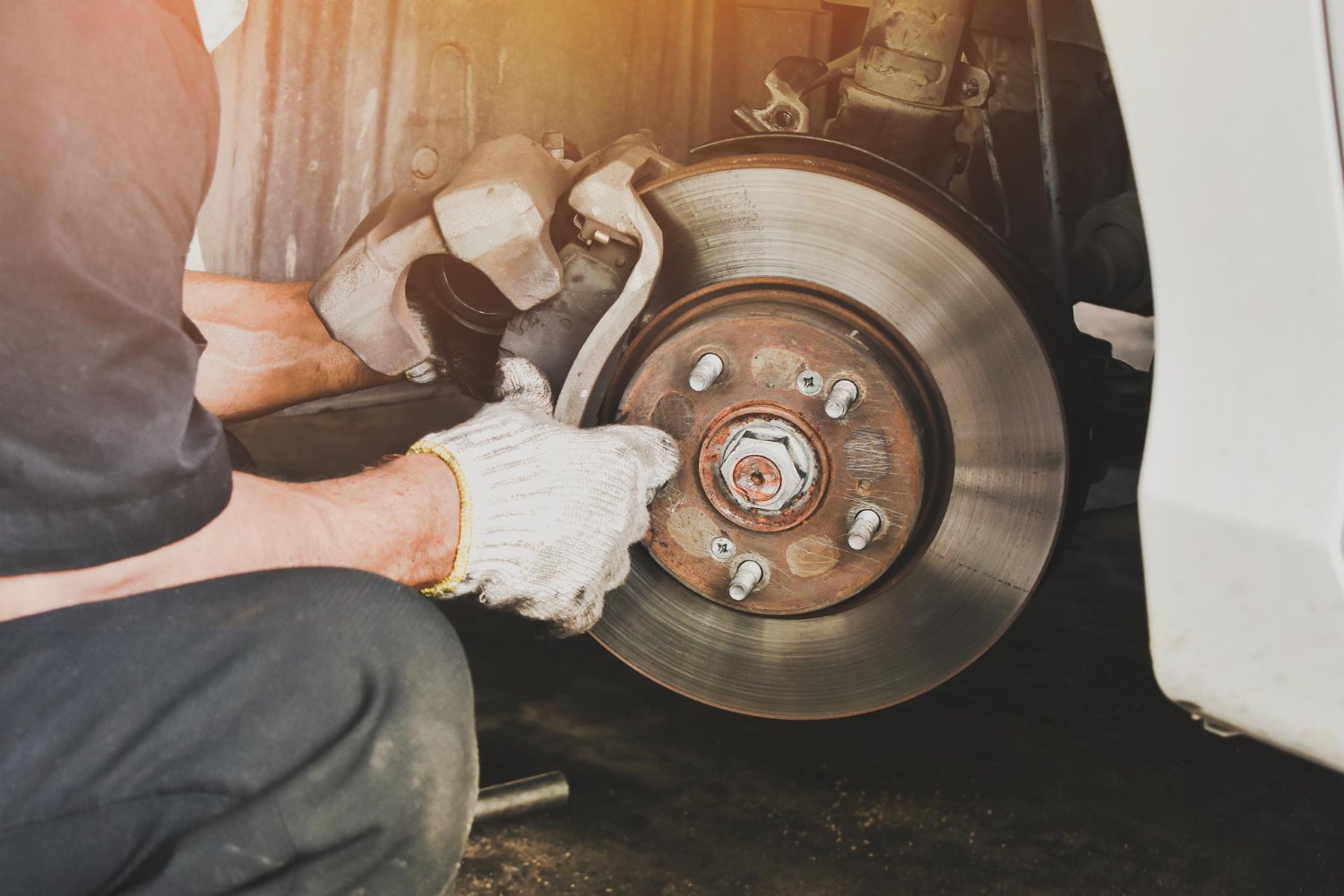
A professional inspection can confirm what is going on. In many cases, that includes:
- Looking at pad thickness to see how much material is left
- Checking rotors for deep grooves, scoring, or heat spots
- Inspecting for any signs of leaking brake fluid
A road test can also help your service team feel pulling, pulses, or noises that show up only while driving. When you bring your Honda in, it helps to ask the advisor to show you the worn parts and measurements. For example, you can ask, “How thick are my brake pads now?” or “Can you show me the rotor surface?” Seeing the parts for yourself makes it easier to understand why repairs are recommended and which items can wait.
What Brake Parts Will You Use on My Honda?
Not all brake parts are the same. The parts that go on your Honda affect how your car feels when you stop, how quiet the brakes are, and how long they last.In general, you will hear about three basic kinds of parts:
- Genuine Honda brake parts made to match your specific model
- High-quality aftermarket parts designed to fit many brands
- Budget options that focus more on lower price than performance
It is a good idea to ask which parts will be used on your specific Honda, such as a Civic, CR-V, Accord, or other model. You can also ask how those parts compare to the brakes the car had when it was new. Using parts that are designed for your vehicle can help support proper stopping power and smooth operation.
You will also want to know what is actually included in the repair. Helpful questions are:
- Are you replacing pads only, or pads and rotors together?
- Will you install new hardware like clips and shims?
- Will you be topping off or flushing the brake fluid as part of this service?
Knowing what is included makes it easier to compare repair options and understand how the work will affect long-term reliability.
What Will My Brake Repair Cost and How Long Will It Take?
Every brake job is a little different, so it is smart to ask about cost and timing before anything is approved. A clear conversation now helps avoid surprises later.Some of the things that affect pricing include:
- Front brakes, rear brakes, or all four wheels
- Pads only compared to pads and rotors
- Condition of the calipers and slide pins
- Whether a brake fluid service is needed
Before you agree to Honda brake repair in Great Neck, ask for a written estimate that lists parts, labor, shop fees, taxes, and any possible extras that might come up. You can also ask which items are urgent for safety and which ones are recommended but not immediately required.
Timing matters too, especially when you rely on your vehicle every day. Helpful timing questions include:
- How long will the brake repair take from drop-off to pickup?
- Is same-day service usually available for this type of work?
- Are there any transportation options for customers in the Great Neck area, such as a shuttle or other help getting home or to work?
Clear answers about cost and timing let you plan your day and your budget.
Are Your Technicians Certified to Work on My Honda Brakes?
Modern Honda brake systems do more than just stop the car. They often work together with safety systems like ABS and Honda Sensing features. Because of this, it is important that the people working on your brakes understand how everything fits together.When you speak with the service team, consider asking:
- Are your technicians trained on Honda brake systems?
- Do they have experience with my specific model and trim?
- Do you regularly work on hybrid or electric Honda models that use regenerative braking, if that applies to your vehicle?
You can also ask about warranty coverage on both parts and labor. Knowing how long the work is backed helps you feel more relaxed after the repair. Another good question is whether the shop keeps a digital record of the service. A complete service history can support resale value and may help with future warranty concerns.
How Will This Brake Repair Affect My Safety and Future Costs?
Brake repair is not only about fixing a noise. It is about how your Honda behaves when you really need it to stop. Asking how the recommended repair will change the way your car stops can give you peace of mind.Good questions to ask your advisor include:
- How will this repair improve my stopping distance?
- Will my brake pedal feel firmer or more consistent afterward?
- How will my brakes perform in heavy rain or in an emergency stop?
You can also talk about preventive maintenance. Ask how often they suggest brake inspections for your style of driving around Long Island and what a normal brake pad life looks like for your type of commute. It is helpful to ask if and when they recommend a full brake fluid flush, not just a top-off.
Thinking ahead can save money. Doing the correct brake service now can help you avoid:
- Rotor damage from pads worn down too far
- Calipers sticking or seizing from heat and debris
- Bigger repair bills that come from putting off smaller fixes
At North Shore Honda, our team is here to help Great Neck drivers understand these choices so they can feel safe and informed every time they step on the brake pedal.