

Back-to-School Savings Game Plan for LI Honda Families
Back-to-school season around Port Washington brings a lot at once. Supply lists, sports sign-ups, after-school jobs, and for many families, a teen getting ready to drive. All of that means your car budget can change fast if you are not ready for it.This is a smart time to look at your transportation costs before school routines get busy. That includes current Honda lease deals in Port Washington, what you pay for insurance, how much you spend on gas, and what a safe car for a new driver might cost each month. Here, we walk through a simple checklist to help you compare leasing vs certified pre-owned, plan for teen driver expenses, and feel more in control of your budget.
Build Your Back-to-School Car Budget First
Before anyone falls in love with a specific Honda, it helps to know your numbers. A clear monthly budget gives you a guardrail so you can shop with confidence.A basic car budget in Port Washington and around Nassau County usually includes:
- Monthly payment (lease or loan)
- Insurance
- Fuel
- Maintenance and repairs
- Parking and tolls
Think about how your teen will really drive, not just the short school run. For example:
- Daily trips to and from Schreiber High or another school
- Practices, games, or clubs several times a week
- A part-time job with evening or weekend shifts
- Weekend plans with friends or family
More time on the road can mean more miles. If you are thinking about a lease, that matters, since leases have mileage limits. Extra miles can lead to end-of-lease charges, so it is worth talking through a realistic yearly mileage estimate before you sign anything.
A simple way to keep the big picture in view is the 50/30/20 approach:
- 50% of take-home income for needs (housing, food, car, insurance)
- 30% for wants (eating out, trips, extras)
- 20% for savings or debt payoff
A Honda payment usually falls into the “needs” group, along with gas and basic insurance. Decide what you are comfortable spending each month on transportation before you visit a dealership. That way, when you do look at vehicles, you can focus on options that fit your plan instead of stretching past it.
Compare Lease vs CPO Costs for Teen Drivers
Once you have a budget target, the next step is deciding if leasing or buying a certified pre-owned Honda fits your family better. Both can work well for a teen driver, but they have different pros and cons.With a Honda lease, you typically see:
- Lower monthly payments compared to buying the same new model
- A set term, often a few years
- A mileage limit each year
- The chance to move into a newer model more often
With a certified pre-owned Honda you usually see:
- A loan term that may be longer than a lease
- Ownership when the loan is paid off
- No mileage limits, though higher miles can affect resale value
- Warranty coverage and inspection standards tied to the CPO program
For teen drivers, some practical points stand out:
- Mileage: If your teen is likely to rack up a lot of miles with school, sports, and work, a CPO vehicle gives more freedom without mileage charges.
- Wear and tear: Teens are still building driving skills. Minor dings or interior wear can mean fees on a lease but stay with you on a CPO car, which you own.
- Warranty: Many late-model CPO Hondas include warranty coverage that can help with repair costs during the school years.
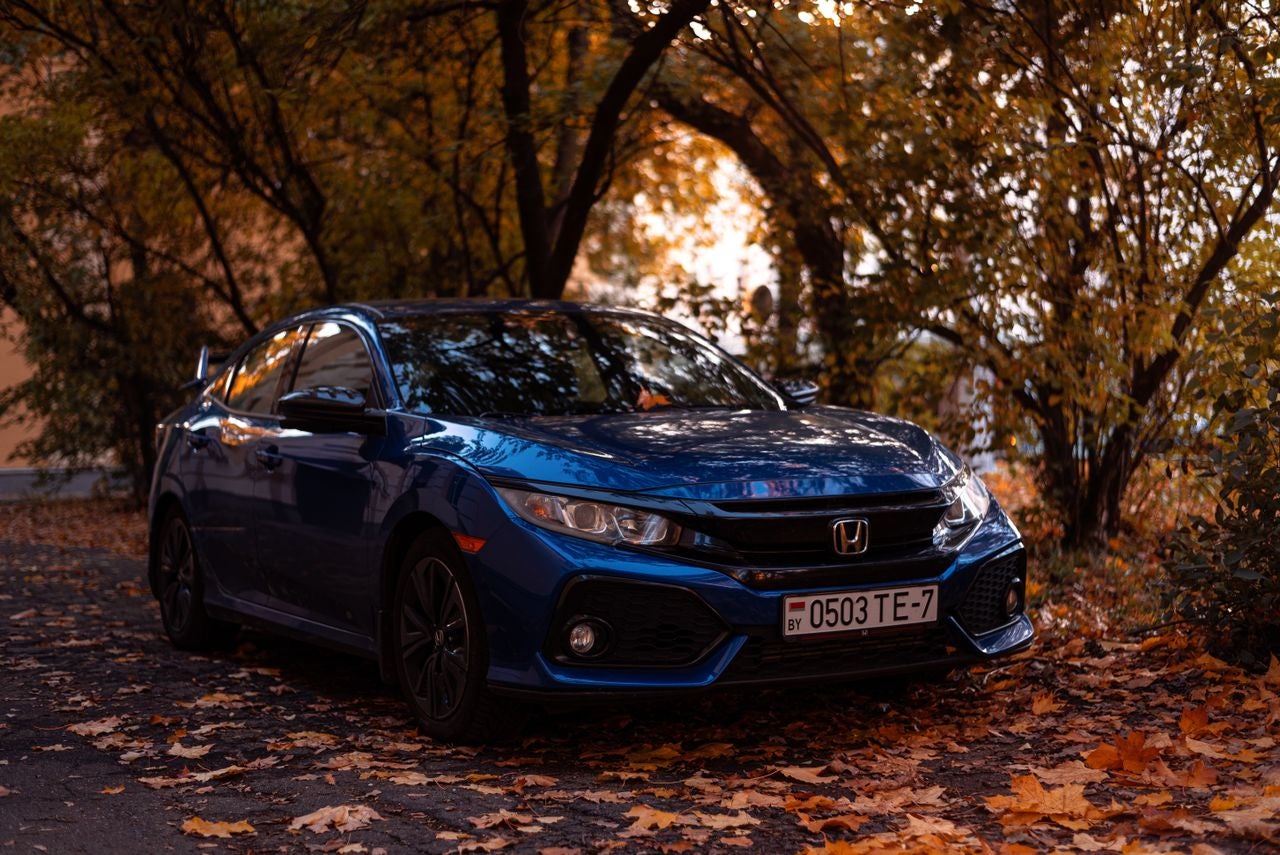
Think about a simple comparison: a leased Honda Civic with a set monthly payment, lower upfront cost, and a yearly mileage cap, versus a CPO Honda Civic or CR-V with a similar payment but a different term and no mileage limit. Fuel efficiency may be close on both, especially with newer models, so the bigger differences are how long you want to keep the vehicle and how much flexibility your teen needs. If you expect to keep the car through high school and beyond, CPO can make sense. If you like always having newer tech and safety features, leasing may fit better.
Do Not Forget Insurance, Registration, and Fees
Adding a teen to your policy in New York can change your monthly costs quickly, so it is important to plan for it. Insurance companies look at things like:- Age and driving experience
- Driving record
- The specific Honda model and trim
- Safety ratings and driver-assist features
- Whether the student lives at home or is away at college without a car
A vehicle with strong safety features can sometimes help with insurance costs, so the car you choose matters. Good grades or safe driving programs may also make a difference, depending on the insurer.
Beyond insurance, there are other costs that often get overlooked at first:
- Registration and license plates
- Sales tax
- State inspection
- Title and documentation fees
Leased and purchased vehicles can have some differences too. For example:
- A lease may include an acquisition fee
- A purchase will have a title in your name once the loan is finished
- Sales tax handling can vary between a lease and a loan
It helps to budget for both one-time and ongoing fees so they do not catch you off guard. When you sit down with a finance specialist, you can ask for an estimate of “out-the-door” costs plus expected monthly amounts so you see the whole picture, not just the base payment.
Must-Have Safety Tech for New School-Year Drivers
For many parents, safety is the biggest concern when a teen starts driving. The good news is that many newer Hondas, including recent leases and late-model CPO vehicles, come with advanced driver-assist systems.Key Honda safety and driver-assist features to look for include:
- Honda Sensing suite of safety and driver-assist technologies
- Collision Mitigation Braking System to help when a frontal collision seems possible
- Road Departure Mitigation to help keep the vehicle from leaving the road
- Lane Keeping Assist System to help the vehicle stay centered in a lane
- Adaptive Cruise Control to help maintain following distance on the highway
These systems are not a replacement for safe driving habits, but they can add layers of backup as your teen gains experience. Newer vehicles can also include smartphone integration that makes it easier to use hands-free calling and audio, which supports better focus on the road.
When you talk about budget, try to include safety tech as part of the value, not just as an extra. In some cases, choosing a Honda with more safety features may mean a slightly higher monthly payment, but it can reduce risk, and some insurers may consider that when setting rates. For many families, that trade-off feels worth it during the early years of driving.
Turn Your Checklist Into Savings at North Shore Honda
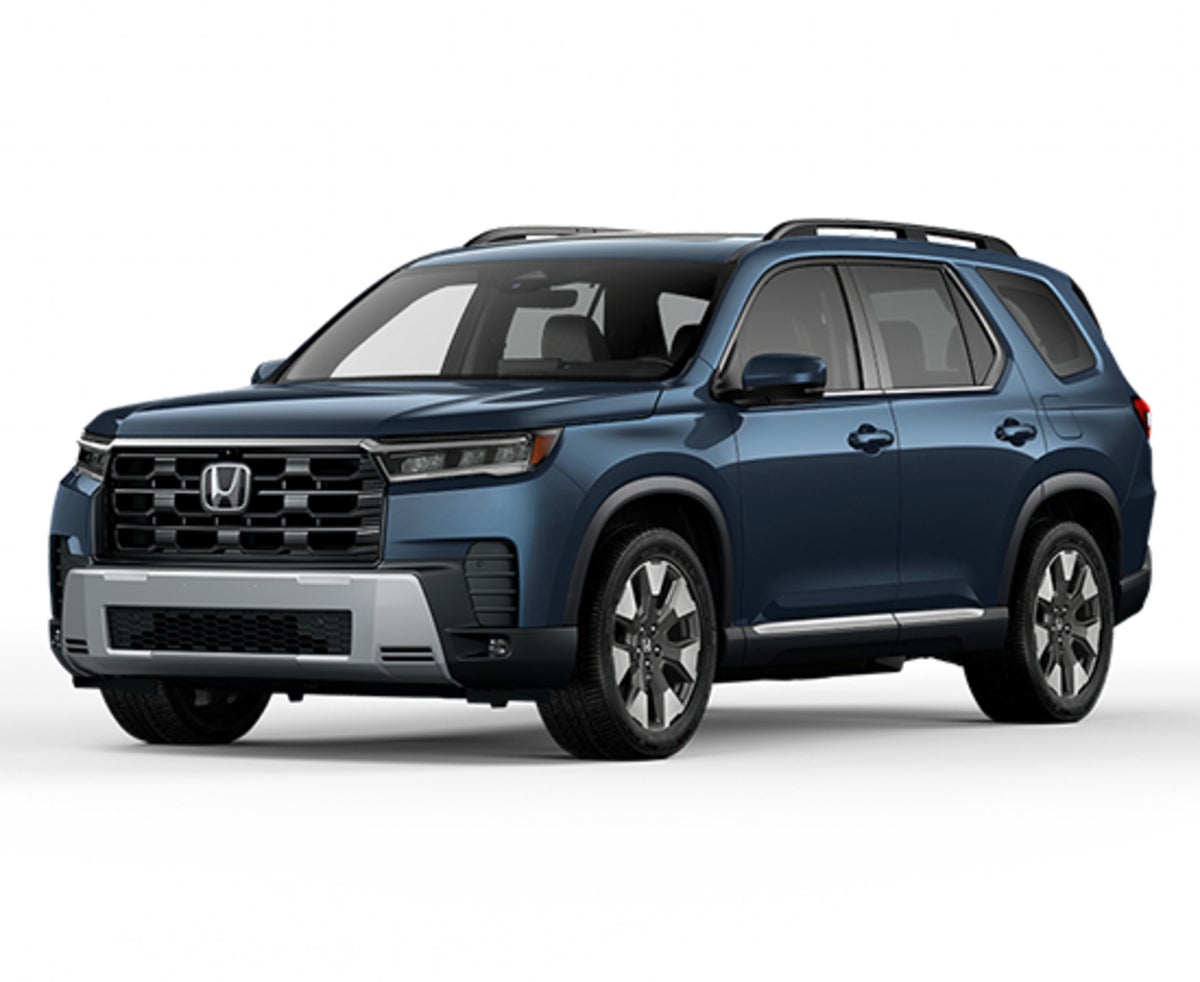
Once you have your checklist and a realistic monthly target, you can shop in a much calmer way. With your budget in hand, it is easier to narrow in on specific Honda models and trims that fit your teen’s needs, whether that is a fuel-friendly Civic for daily school runs or a roomy CR-V for carpools and activities.Comparing Honda lease deals in Port Washington with certified pre-owned options side by side also becomes simpler when you break everything into monthly pieces: estimated payment, insurance, fuel, and fees. That kind of clear breakdown helps your teen see the real cost of driving and can even turn this into a good money lesson before the school year gets too busy.