Blog / North Shore Honda Dealer

Local Trade-in Myths Hurting Honda Owners in Great Neck

Honda

Do Not Let Trade-in Myths Cost You Thousands This Fall

Thinking about upgrading your Honda as school starts and fall trips get closer? This is when many drivers around Great Neck, Hicksville, and Port Washington start asking what their current Honda is really worth. A trade-in can make a big difference in your next payment, but bad information can easily cost you money.

There are a lot of myths that spread through neighborhood chats, social media groups, and even casual talks at work. Those myths can lead Honda owners to accept low offers, wait too long to trade, or skip trading in completely. We want to clear up the biggest myths about getting a Honda trade-in in Great Neck so you can walk into a dealership feeling calm, prepared, and confident.

Myth One: Online Estimates Are What Your Car Is Worth

Many drivers type in their license plate or VIN on a quick online tool and think that number is final. It feels simple, but it is only a rough guess. Those instant values usually do not know:

  • Your car’s true condition  
  • How well you kept up with service  
  • What buyers near Great Neck are looking for right now  
  • Any recent work you have done

Dealer tools look at real-time market data for Long Island, current interest in your specific Honda model, and what it will cost to recondition your car for the next owner. A clean, well-serviced Honda can be worth more than a generic site suggests, while one that needs work may be worth less.

Online tools are helpful as a starting point. They give you a ballpark range so you are not walking in blind. But to understand your real trade value, you need an in-person appraisal from a team that works with Hondas every day and knows the local market.

Myth Two: You Always Get Less Than Selling It Yourself

It is easy to think, "If I sell it myself, I will make more." On paper, a private sale price can look higher than a trade-in number. But that is only part of the story.

A private sale around Great Neck often means:

  • Paying for ads or listings  
  • Taking time off to show the car and handle test drives  
  • Cleaning and detailing on your own  
  • Dealing with minor repairs buyers ask for  
  • Waiting on people who cancel or do not show up

You also have to manage paperwork, payment safety, and title transfer. That is a lot of work and stress for a busy family or commuter.

With a trade-in, the process is much simpler. Your old Honda value goes straight into your deal for your next vehicle. Depending on your situation, it can also help reduce the taxable amount on your new purchase or lease, which may narrow or even erase the gap compared with a private sale. Many drivers find that when they factor in time, safety, and convenience, trading in feels like the smarter move.

Myth Three: Older or High-Mileage Hondas Have No Trade Value

Some drivers believe that once a Honda passes 100,000 miles or is more than ten years old, it is worth nothing. That idea stops people from even asking about a trade-in, and they miss out on money they could put toward their next vehicle.

Hondas are known for lasting a long time, especially when they see regular service. Older Civics, Accords, CR-Vs, and other models are still in demand for daily driving, first cars, and budget-friendly transportation. Even when a Honda is not a good fit for retail resale, it can still have value for wholesale channels or parts.

You can often help your older Honda bring stronger trade value with a few simple steps:

  • Bring maintenance and repair records  
  • Do a basic interior and exterior cleaning  
  • Fix small, affordable issues like lights or wipers  
  • Bring both sets of keys and any accessories that came with the car

The more clearly we can see that you cared for your Honda, the easier it is to put a fair, strong value on it.

Myth Four: Fall Is a Bad Time to Trade in Your Honda

Some people wait, thinking they should hold off until a special sale or a different season. In reality, fall can be a smart time to think about your Honda trade-in in Great Neck.

Around this time, new model-year Hondas start to arrive. Dealers are working to balance current inventory with incoming vehicles, including newer technology and EV options. That can lead to competitive trade offers as we match drivers with the right new or used vehicles.

Trading in before winter has a few benefits:

  • You avoid extra cold-weather wear on an older vehicle  
  • You can head into holiday travel in something newer and more comfortable  
  • You may gain updated safety and driver-assist features  
  • You can get ahead of any repairs your current car might need for winter

Instead of waiting until the first snow or a sudden repair bill, some drivers prefer to make the switch when the weather is still mild and schedules are more flexible.

Myth Five: Only Perfect Credit Gets a Fair Trade Offer

Another common myth is that if your credit is not perfect, your trade value will suffer. That is not how it works. Your trade-in value is based on your vehicle, not your credit score.

When your car is appraised, the focus is on:

  • Age, mileage, and trim  
  • Overall condition inside and out  
  • Service and accident history  
  • Current local demand for that model  

Financing is a separate part of the process. A finance team can explore options that match your credit situation, while the appraisal team sticks to what your Honda is actually worth in the market. If your current Honda is paid off or almost paid off, that equity can help you build a stronger deal structure, even if you are working on rebuilding or starting credit.

Understanding this difference helps many drivers feel more comfortable bringing in their current Honda, instead of waiting and letting it lose more value over time.

Turn Local Trade-in Myths Into Real Savings

When you clear away the myths, you gain a lot more control. Online values are only a starting point, private sales are not always better, older or high-mileage Hondas can still carry value, fall can be a smart time to trade, and your credit score does not change what your car is worth.

Drivers in Great Neck and nearby communities often have more trade-in power than they think. Instead of relying on hearsay, quick posts, or secondhand stories, it pays to get a real, in-person look at your Honda from a team that works with these vehicles all day, every day. With a clear appraisal and honest information, you can decide whether trading in is right for you and move toward your next Honda with confidence.
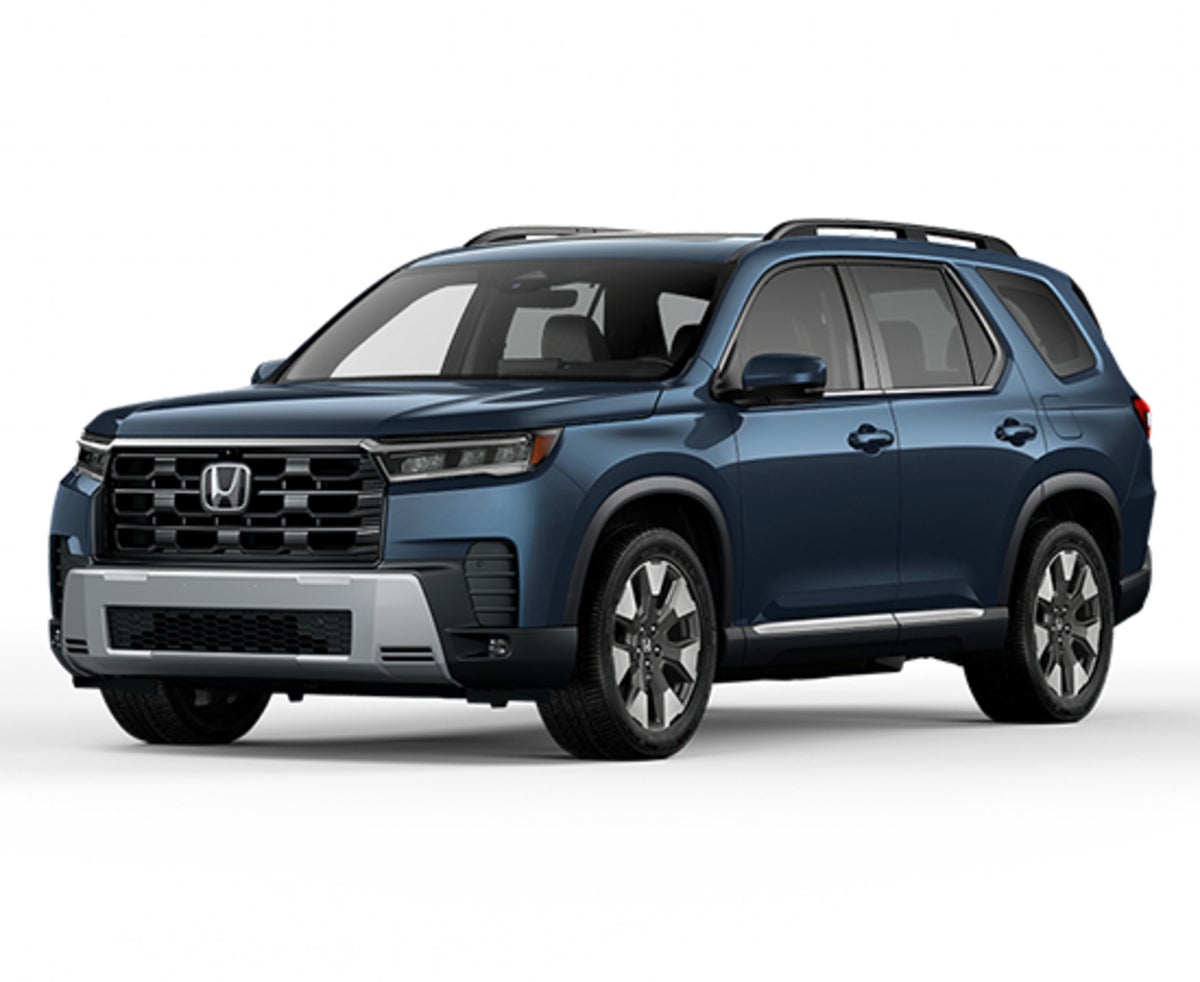

Get More for Your Honda With a Smart Trade-In Today

If you are ready to see what your current vehicle is worth, start with our quick online tool for Honda trade-in in Great Neck. At North Shore Honda, we make the process straightforward so you can move into your next vehicle with confidence. Share a few details about your car and we will provide a fair, transparent value estimate. If you have questions at any point, you can always contact us for personal assistance.
Posted in:

Related Posts

Honda Pilot

Everyday Advantages of a Honda Pilot for Sale in Glen Head

Discover Daily Comfort in a Honda Pilot for Your Family A Honda Pilot can make everyday driving around Glen Head feel a lot easier. From school drop-offs and daycare runs to quick trips to the train station, this three-row SUV is built to keep your family comfortable, organized, and calm on busy days. The Honda Pilot offers the space many growing families around Glen Head, Port Washington, Great Neck, Hicksville, and Hempstead need. With three rows, smart storage, and helpful tech, it fits right into a North Shore routine. Our focus here is simple: how a Honda Pilot for sale in Glen Head can help with the practical, everyday parts of life, especially as fall routines pick up and the calendar fills fast. Space and Versatility for Busy North Shore Schedules When your calendar is full of school, sports, and family visits, space matters. The Honda Pilot gives you three rows of roomy seating so everyone can spread out. Here’s how that helps on a normal week: Room for kids, friends, and grandparents for school concerts or family dinners Space to fit multiple car seats without squeezing shoulders Easy access to the third row so nobody has to climb over seats The flexible seating is a big plus. With split-folding second and third rows, you can open up the back for all kinds of cargo. One day it might be soccer bags and a stroller. The next day it could be musical instruments, science projects, or a big grocery run for snacks and school lunches. For longer drives to the Hamptons or upstate, it is simple to fold down one or both rear rows and load: Luggage and duffel bags Coolers and folding chairs Beach gear or hiking equipment Smart storage spots help keep the cabin neat. A deep center console can hold tablets, chargers, and snacks. Door and seat-back pockets are great for water bottles, books, and headphones. Some models offer underfloor storage in the cargo area, which is handy for keeping small items out of sight and out of the way. With everything having a place, it is easier to keep the cabin clean during the school year. Smooth Performance for Long Island Commutes Daily driving on Long Island is a mix of short local trips and longer highway stretches, and the Honda Pilot is ready for both. The available V6 engine in recent models is tuned to give confident power when you need it. You feel that strength when you: Merge onto the Long Island Expressway or Northern State Pass slower traffic along Northern Boulevard Pull away from a light with a full load of passengers and gear Ride comfort is a big part of what makes the Pilot so easy to live with. The suspension is built to handle potholes, speed bumps, and patched pavement on neighborhood roads in Glen Head and nearby towns. The steering feels steady and predictable, which is reassuring when the weather is bad or traffic is close. Fuel efficiency is another everyday advantage. The Pilot is designed to balance power with smart fuel use, which helps on regular commutes to Hempstead, Great Neck, or Hicksville. In stop-and-go traffic, a smooth power delivery and refined transmission help the SUV feel calm instead of jumpy, which can reduce fatigue on longer drives or at the end of a long workday. Safety and Tech That Simplify Every Drive For many families, safety is one of the first things they think about in a three-row SUV. Honda Sensing technology, which is available on many Honda Pilot models, is made to support safe driving on crowded roads. These driver-assist features can include: Adaptive cruise control to help maintain distance on the highway Lane keeping assist to help you stay centered in your lane Collision mitigation braking that can help respond if a possible frontal collision is detected On packed Long Island roads, during back-to-school traffic, or when you are dealing with changing weather, these systems are there to support your focus and help the drive feel less tiring. Inside the cabin, the tech is set up to keep everyone connected and content. The available touchscreen infotainment system works with popular smartphone integration, so you can bring in your favorite maps, music, and calls. Available built-in navigation can be helpful when you are trying to find a new field, rink, or school campus anywhere across Nassau County. Families also appreciate: Available rear-seat entertainment to keep kids busy on longer trips Multiple USB ports to help everyone charge devices at once Rear climate controls so passengers in the back can set the temperature they like When the kids are entertained and comfortable, there is less distraction for the driver, and drives tend to feel calmer for everyone. Why a Honda Pilot for Sale in Glen Head Fits Fall and Beyond As fall schedules ramp up with earlier mornings, later evenings, and more driving in the dark, a Honda Pilot fits right in. It has enough space for backpacks, sports bags, art projects, and grocery hauls, all while keeping seats comfortable for both long and short trips. The Pilot is also ready for changing weather. Available all-wheel-drive on certain models gives added confidence on wet or slippery roads. Traction and stability systems help the SUV stay composed when the pavement is slick, and the ride height offers reassuring ground clearance when snow piles along local side streets or slush builds up near the curb. Families often look for a vehicle they can rely on for years, not just a season. Honda is known for building vehicles with long-term durability in mind, and the Pilot follows that tradition. A strong reputation for reliability and resale value makes it a smart choice for parents who plan to keep their SUV through multiple school stages, from preschool drop-offs to high school activities. Explore Honda Pilot Options at North Shore Honda When you are ready to see how a Honda Pilot fits your routine, it helps to sit in different models and try out the features for yourself. At North Shore Honda on Long Island, we offer a range of new, used, and Honda Certified Pre-Owned Honda Pilot SUVs so drivers around Glen Head can find a choice that lines up with their needs and wish list. Different trims can offer different comfort, tech, and style features. Some drivers focus on all-wheel drive and interior space, while others care more about added convenience features or a certain cabin feel. On-site financing support is available to help you explore loan and lease options that fit your household budget and timeline. A test drive is often the best way to decide. When you get behind the wheel, you can feel how the Pilot accelerates onto local highways, check how easy it is to move the seats, and see how your family fits in all three rows. Our team is here to answer questions, walk you through the trim levels, and help you compare options until you feel confident in your choice. Find Your Ideal Honda Pilot With Confidence Today Explore each trim, compare features, and see which Honda Pilot for sale in Glen Head is the best match for your daily driving and family adventures. At North Shore Honda, we take the time to walk you through options so you can feel confident in your choice. If you have questions or want to schedule a test drive, simply contact us and we will help you take the next step.

Teen Driver

Back-to-School Budget Checklist: Lease vs. CPO Costs for Teen Drivers

Back-to-School Savings Game Plan for LI Honda Families Back-to-school season around Port Washington brings a lot at once. Supply lists, sports sign-ups, after-school jobs, and for many families, a teen getting ready to drive. All of that means your car budget can change fast if you are not ready for it. This is a smart time to look at your transportation costs before school routines get busy. That includes current Honda lease deals in Port Washington, what you pay for insurance, how much you spend on gas, and what a safe car for a new driver might cost each month. Here, we walk through a simple checklist to help you compare leasing vs certified pre-owned, plan for teen driver expenses, and feel more in control of your budget. Build Your Back-to-School Car Budget First Before anyone falls in love with a specific Honda, it helps to know your numbers. A clear monthly budget gives you a guardrail so you can shop with confidence. A basic car budget in Port Washington and around Nassau County usually includes: Monthly payment (lease or loan) Insurance Fuel Maintenance and repairs Parking and tolls Think about how your teen will really drive, not just the short school run. For example: Daily trips to and from Schreiber High or another school Practices, games, or clubs several times a week A part-time job with evening or weekend shifts Weekend plans with friends or family More time on the road can mean more miles. If you are thinking about a lease, that matters, since leases have mileage limits. Extra miles can lead to end-of-lease charges, so it is worth talking through a realistic yearly mileage estimate before you sign anything. A simple way to keep the big picture in view is the 50/30/20 approach: 50% of take-home income for needs (housing, food, car, insurance) 30% for wants (eating out, trips, extras) 20% for savings or debt payoff A Honda payment usually falls into the “needs” group, along with gas and basic insurance. Decide what you are comfortable spending each month on transportation before you visit a dealership. That way, when you do look at vehicles, you can focus on options that fit your plan instead of stretching past it. Compare Lease vs CPO Costs for Teen Drivers Once you have a budget target, the next step is deciding if leasing or buying a certified pre-owned Honda fits your family better. Both can work well for a teen driver, but they have different pros and cons. With a Honda lease, you typically see: Lower monthly payments compared to buying the same new model A set term, often a few years A mileage limit each year The chance to move into a newer model more often With a certified pre-owned Honda you usually see: A loan term that may be longer than a lease Ownership when the loan is paid off No mileage limits, though higher miles can affect resale value Warranty coverage and inspection standards tied to the CPO program For teen drivers, some practical points stand out: Mileage: If your teen is likely to rack up a lot of miles with school, sports, and work, a CPO vehicle gives more freedom without mileage charges. Wear and tear: Teens are still building driving skills. Minor dings or interior wear can mean fees on a lease but stay with you on a CPO car, which you own. Warranty: Many late-model CPO Hondas include warranty coverage that can help with repair costs during the school years. Think about a simple comparison: a leased Honda Civic with a set monthly payment, lower upfront cost, and a yearly mileage cap, versus a CPO Honda Civic or CR-V with a similar payment but a different term and no mileage limit. Fuel efficiency may be close on both, especially with newer models, so the bigger differences are how long you want to keep the vehicle and how much flexibility your teen needs. If you expect to keep the car through high school and beyond, CPO can make sense. If you like always having newer tech and safety features, leasing may fit better. Do Not Forget Insurance, Registration, and Fees Adding a teen to your policy in New York can change your monthly costs quickly, so it is important to plan for it. Insurance companies look at things like: Age and driving experience Driving record The specific Honda model and trim Safety ratings and driver-assist features Whether the student lives at home or is away at college without a car A vehicle with strong safety features can sometimes help with insurance costs, so the car you choose matters. Good grades or safe driving programs may also make a difference, depending on the insurer. Beyond insurance, there are other costs that often get overlooked at first: Registration and license plates Sales tax State inspection Title and documentation fees Leased and purchased vehicles can have some differences too. For example: A lease may include an acquisition fee A purchase will have a title in your name once the loan is finished Sales tax handling can vary between a lease and a loan It helps to budget for both one-time and ongoing fees so they do not catch you off guard. When you sit down with a finance specialist, you can ask for an estimate of “out-the-door” costs plus expected monthly amounts so you see the whole picture, not just the base payment. Must-Have Safety Tech for New School-Year Drivers For many parents, safety is the biggest concern when a teen starts driving. The good news is that many newer Hondas, including recent leases and late-model CPO vehicles, come with advanced driver-assist systems. Key Honda safety and driver-assist features to look for include: Honda Sensing suite of safety and driver-assist technologies Collision Mitigation Braking System to help when a frontal collision seems possible Road Departure Mitigation to help keep the vehicle from leaving the road Lane Keeping Assist System to help the vehicle stay centered in a lane Adaptive Cruise Control to help maintain following distance on the highway These systems are not a replacement for safe driving habits, but they can add layers of backup as your teen gains experience. Newer vehicles can also include smartphone integration that makes it easier to use hands-free calling and audio, which supports better focus on the road. When you talk about budget, try to include safety tech as part of the value, not just as an extra. In some cases, choosing a Honda with more safety features may mean a slightly higher monthly payment, but it can reduce risk, and some insurers may consider that when setting rates. For many families, that trade-off feels worth it during the early years of driving. Turn Your Checklist Into Savings at North Shore Honda Once you have your checklist and a realistic monthly target, you can shop in a much calmer way. With your budget in hand, it is easier to narrow in on specific Honda models and trims that fit your teen’s needs, whether that is a fuel-friendly Civic for daily school runs or a roomy CR-V for carpools and activities. Comparing Honda lease deals in Port Washington with certified pre-owned options side by side also becomes simpler when you break everything into monthly pieces: estimated payment, insurance, fuel, and fees. That kind of clear breakdown helps your teen see the real cost of driving and can even turn this into a good money lesson before the school year gets too busy. Drive Home With a Honda Lease That Fits Your Budget Explore our latest Honda lease deals in Port Washington and find a payment plan that works for your lifestyle. At North Shore Honda, we take the time to understand your needs so we can match you with the right vehicle and terms. If you have questions about monthly payments, mileage limits, or current specials, just contact us and our team will walk you through every detail.

Brake Repair

Questions to Ask Before Honda Brake Repair in Great Neck

Stop Safely This Season: Get Smart About Honda Brakes Safe brakes matter every single day, especially when traffic gets heavier and roads get slick. If your Honda does not stop the way it used to, you should not ignore it. Brake problems rarely fix themselves, and waiting usually makes things worse and more expensive. As days get shorter and fall rains pick up around Long Island, it is a smart time to pay attention to your brake system before colder weather arrives. Asking the right questions before Honda brake repair in Great Neck helps you protect your safety, your time, and your budget. At North Shore Honda, we care about clear answers and honest guidance so you can feel confident about the work being done on your Honda. How Do I Know My Honda Really Needs Brake Repair? First, you need to know if your brakes actually need repair. Your Honda will usually give you some warning signs. Pay attention to changes in the way your car sounds, feels, and stops. Common signs that your Honda brakes may need attention include: Squealing, squeaking, or grinding when you press the pedal A soft or spongy feel when you brake Vibrations or shaking in the steering wheel or brake pedal A brake warning light on the dashboard Longer stopping distances or needing more pedal pressure A professional inspection can confirm what is going on. In many cases, that includes: Looking at pad thickness to see how much material is left Checking rotors for deep grooves, scoring, or heat spots Inspecting for any signs of leaking brake fluid A road test can also help your service team feel pulling, pulses, or noises that show up only while driving. When you bring your Honda in, it helps to ask the advisor to show you the worn parts and measurements. For example, you can ask, “How thick are my brake pads now?” or “Can you show me the rotor surface?” Seeing the parts for yourself makes it easier to understand why repairs are recommended and which items can wait. What Brake Parts Will You Use on My Honda? Not all brake parts are the same. The parts that go on your Honda affect how your car feels when you stop, how quiet the brakes are, and how long they last. In general, you will hear about three basic kinds of parts: Genuine Honda brake parts made to match your specific model High-quality aftermarket parts designed to fit many brands Budget options that focus more on lower price than performance It is a good idea to ask which parts will be used on your specific Honda, such as a Civic, CR-V, Accord, or other model. You can also ask how those parts compare to the brakes the car had when it was new. Using parts that are designed for your vehicle can help support proper stopping power and smooth operation. You will also want to know what is actually included in the repair. Helpful questions are: Are you replacing pads only, or pads and rotors together? Will you install new hardware like clips and shims? Will you be topping off or flushing the brake fluid as part of this service? Knowing what is included makes it easier to compare repair options and understand how the work will affect long-term reliability. What Will My Brake Repair Cost and How Long Will It Take? Every brake job is a little different, so it is smart to ask about cost and timing before anything is approved. A clear conversation now helps avoid surprises later. Some of the things that affect pricing include: Front brakes, rear brakes, or all four wheels Pads only compared to pads and rotors Condition of the calipers and slide pins Whether a brake fluid service is needed Before you agree to Honda brake repair in Great Neck, ask for a written estimate that lists parts, labor, shop fees, taxes, and any possible extras that might come up. You can also ask which items are urgent for safety and which ones are recommended but not immediately required. Timing matters too, especially when you rely on your vehicle every day. Helpful timing questions include: How long will the brake repair take from drop-off to pickup? Is same-day service usually available for this type of work? Are there any transportation options for customers in the Great Neck area, such as a shuttle or other help getting home or to work? Clear answers about cost and timing let you plan your day and your budget. Are Your Technicians Certified to Work on My Honda Brakes? Modern Honda brake systems do more than just stop the car. They often work together with safety systems like ABS and Honda Sensing features. Because of this, it is important that the people working on your brakes understand how everything fits together. When you speak with the service team, consider asking: Are your technicians trained on Honda brake systems? Do they have experience with my specific model and trim? Do you regularly work on hybrid or electric Honda models that use regenerative braking, if that applies to your vehicle? You can also ask about warranty coverage on both parts and labor. Knowing how long the work is backed helps you feel more relaxed after the repair. Another good question is whether the shop keeps a digital record of the service. A complete service history can support resale value and may help with future warranty concerns. How Will This Brake Repair Affect My Safety and Future Costs? Brake repair is not only about fixing a noise. It is about how your Honda behaves when you really need it to stop. Asking how the recommended repair will change the way your car stops can give you peace of mind. Good questions to ask your advisor include: How will this repair improve my stopping distance? Will my brake pedal feel firmer or more consistent afterward? How will my brakes perform in heavy rain or in an emergency stop? You can also talk about preventive maintenance. Ask how often they suggest brake inspections for your style of driving around Long Island and what a normal brake pad life looks like for your type of commute. It is helpful to ask if and when they recommend a full brake fluid flush, not just a top-off. Thinking ahead can save money. Doing the correct brake service now can help you avoid: Rotor damage from pads worn down too far Calipers sticking or seizing from heat and debris Bigger repair bills that come from putting off smaller fixes At North Shore Honda, our team is here to help Great Neck drivers understand these choices so they can feel safe and informed every time they step on the brake pedal. Restore Confident Stopping Power Today If your brakes are squeaking, vibrating, or not responding like they used to, we are ready to help you get back on the road safely. Schedule your Honda brake repair in Great Neck and our trained technicians at North Shore Honda will inspect and repair your system using quality parts. We will walk you through what we find so you understand every recommendation. Have questions before you book? Feel free to contact us for more information.