Blog

All North Shore Honda Dealer Model Features News Electric Vehicle Finance Glen Head Honda Dealer North Shore Honda Service
Honda

Honda Service Visit Checklist: Photos, Symptoms, Questions, and Noise Notes

Make Every Service Visit Count From Your Driveway Getting your Honda ready for service starts before you pull into the shop. A few minutes of prep at home can help our technicians find problems faster, keep your visit on track, and reduce back-and-forth phone calls. It also helps you feel calmer, because you will not be trying to remember details on the spot at the counter. When you arrive at a Honda service center in Great Neck or near Port Washington with clear notes, photos, and questions, our team can get right to work. You will have a record of what you noticed, we will have a clear starting point, and your visit can be smoother from check-in to pick-up. This simple home-to-shop readiness checklist covers what to photograph, which symptoms to track, how to describe strange sounds and vibrations, what to know about warranty and recalls, and the key questions to ask when you drop off your vehicle. Capture Your Car’s Story with Smart Photos and Notes Think of your phone as your service notebook. Photos and quick notes tell the story of your Honda before it arrives in our service lane. Helpful photos to take before your visit: Any scratches, dents, or cracked glass The tread and sidewalls on all four tires Warning lights or messages on the dashboard Any fluid spots on the ground where you park Current mileage on the odometer Time-stamped photos protect you and the service team. Everyone can see what the car looked like when you arrived and what warning lights were on. That makes it easier to compare before and after. Late summer is a good time to check: How cold the AC feels at low, medium, and high fan speeds Tire tread and wear before heavy rain becomes more common Any interior fading, cracking, or sticky buttons that may affect how things work Along with photos, add a few simple notes: When did you first notice the issue? Is it getting better, worse, or staying the same? Any new smells, like burning, fuel, or moldy air? Any change in fuel economy or how often you fill up? These details help our service advisors see patterns, not just a single moment in time. Track Symptoms Like a Pro Before You Head In You do not need to know what is wrong; you just need to notice when and how it happens. A small symptom log on your phone can be a big help. For about a week before your visit, jot down: When it happens: cold start, first drive of the day, in traffic, on the highway How often it happens: every drive, once a week, only on long trips How long it lasts: a few seconds, until you stop, until the engine warms up What you are doing: accelerating, braking, turning, going over bumps This kind of pattern can point our technicians in the right direction quickly. It also helps to separate annoyances from safety concerns. Annoyances might be: Small rattles inside the cabin Infotainment screen freezing or Bluetooth issues Slight wind noise from a window Safety concerns should always be top priority: Brakes feeling soft, spongy, or pulling to one side Steering wheel pulling, shaking, or feeling loose Temperature gauge running hotter than normal Strong burning smells or loss of power In late summer, pay extra attention to AC strength in stop-and-go traffic, any shudder or vibration during long road trips, and how well your headlights and brake lights seem to shine at night as evenings get darker a bit earlier. Describe Noises and Vibrations so Techs Can Pinpoint Issues One of the hardest things for drivers is explaining a noise. Simple, everyday comparisons help a lot, and they work better than just saying it is a weird sound. Try describing sounds like this: Whistling like wind through a cracked window Grinding like metal on metal Thumping like a flat shoe in a dryer Squeaking like an old door hinge Humming like a loud fan Then add when it happens: Only when you are braking or only when you let off the brake Only at certain speeds, like 30 to 40 mph or at highway speeds Only when turning left or right Only over bumps or rough roads For vibrations, note exactly where you feel them: Steering wheel: could be related to front wheels or alignment Seat or floor: may point toward rear wheels or driveline parts Brake pedal: often linked with brake or rotor issues Also share if the vibration: Happens as you speed up Shows up only above a certain speed Goes away when you coast or stop If it is safe, record a short audio or video clip while parked or at idle. A quick clip of a rattle, squeak, or rough idle can be very helpful if the issue does not show up during our test drive. Check Warranty, Recalls, and Maintenance Before You Go Before your visit, it helps to know where your Honda stands with recalls, warranty coverage, and routine maintenance. This way you can plan what you want done in one trip. Good steps to take at home: Use your VIN to check for any open Honda recalls on official recall tools Make a note of any recall letters or emails you have received Bring up any recall you find when you set up your visit Recall work is handled through Honda programs, and letting us know in advance makes it easier to fit in alongside your other service needs. It is also smart to review your Honda warranty info: New-vehicle and powertrain coverage details Any HondaCare or extended warranty plan you may have Any prepaid maintenance or service plan That way, you can ask which items might be covered and which are likely not, and our advisors can help you plan. Finally, check your maintenance schedule: Look at your owner’s manual or in-dash Maintenance Minder Note any codes or messages about oil, filters, or inspections See if you can group an oil change, tire rotation, and brake check together Bundling what your car already needs into one visit is an easy way to save time as busy seasons approach. Ask the Right Questions and Bring the Right Info When you arrive at a Honda service center in Great Neck or close by, having a short list of questions and documents makes the check-in smoother and more relaxed. Useful questions to ask your service advisor: What are my immediate safety needs versus what can wait? Can you show me the worn or damaged parts? Are there options at different price levels for parts or repairs? What warranty do I get on parts and labor for this work? Information that helps us help you: Vehicle registration and insurance card Any extended warranty or protection plan info A record of recent service, like oil changes, brakes, and tires Your symptom notes, photos, and any videos It is also good to set clear expectations at drop-off: Ask about estimated wait time or pickup time Ask if a shuttle or loaner option is available, if you need one Confirm how you will get updates, like text, call, or email Request a written estimate before any work starts Turn Today’s Visit Into Long-Term Honda Confidence Once your visit is done, keep building on the prep work you started at home. Save your photos, symptom notes, and service invoices in a single digital folder. Over time, this becomes a simple service history that can help with future diagnostics, support your long-term reliability, and even help when it is time to trade in. At North Shore Honda in Port Washington, we see how much smoother visits go when drivers arrive with this kind of home-to-shop checklist. You do not need to be a car expert to do it. A few photos, simple notes, and clear questions are all it takes. Our factory-trained team can handle the rest while you enjoy the peace of mind that comes from showing up prepared. Keep Your Honda Running Smoothly With Expert Local Care Our certified technicians are ready to help you stay on top of maintenance and repairs at our Honda service center in Great Neck. At North Shore Honda, we use genuine Honda parts and follow factory-recommended procedures so your vehicle performs its best for years to come. If you have questions about scheduling or specific services, you can contact us and we will walk you through the next steps.
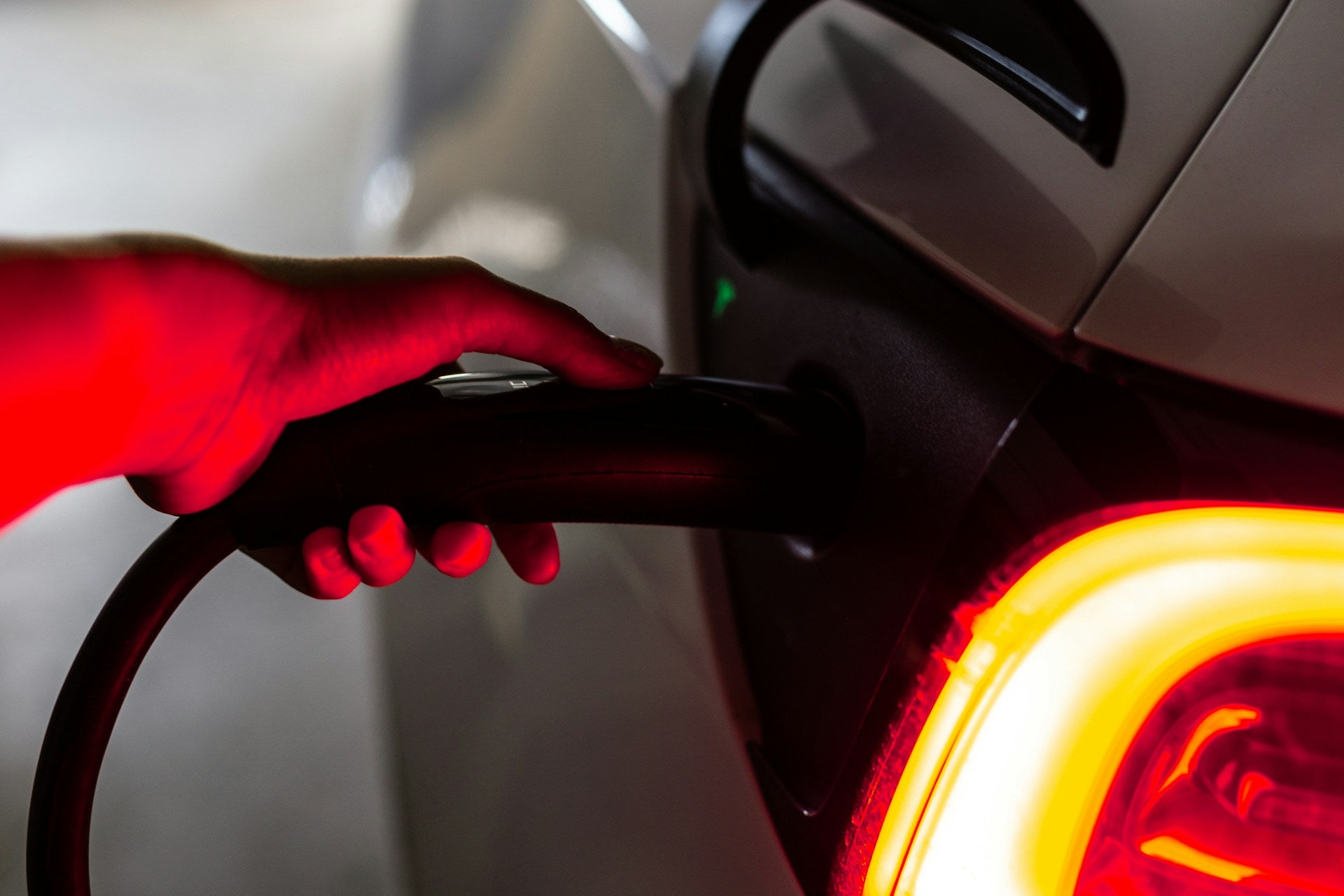
EV Home Charging

Honda EV Home Charging in Port Washington: Level 1 vs. Level 2 Costs

Charge at Home, Drive More Around Port Washington Home charging is one of the best parts of owning an electric vehicle. You plug in at night, sleep, and wake up to a full battery. No gas stops, no last-minute fuel runs before work, just a car that is ready to go. For drivers thinking about a Honda EV for sale in Port Washington, home charging turns everyday driving into something simple and low-stress. Commuting to the city, school drop-offs, runs to the train station, and weekend drives along the North Shore all feel easier when your car charges while you relax at home. To get there, you will want to decide what kind of home setup makes sense for you. We will walk through Level 1 vs. Level 2 home charging, the key questions to ask a licensed electrician, basic permitting around Long Island, and what helps shape real-world install costs so you can be ready before colder weather arrives. Level 1 vs. Level 2 Home Charging Basics Level 1 charging uses a standard 120-volt household outlet. It is the slowest way to charge, since it adds only a small amount of range each hour. For some drivers with short daily trips and plenty of time parked at home, that can still work. Key points about Level 1 charging: Uses a normal three-prong outlet Often fine for low-mileage drivers Can be a good option in apartments where upgrades are limited Usually best as a starting point, not a long-term solution for heavy driving Level 2 charging uses a 240-volt circuit, similar to what powers an electric dryer. This type of charger is usually installed on a dedicated breaker and is much faster, often enough to refill most of the battery overnight. That speed feels especially helpful in winter when range can drop in cold weather. Level 2 charging often fits: Daily commuters parking at home overnight Families juggling school, sports, and activities Drivers who take regular weekend trips around Long Island Anyone who wants to rely less on public charging For many people looking at a Honda EV for sale in Port Washington, Level 1 can cover very light use, but Level 2 usually offers a better balance of convenience and long-term ownership value. Questions to Ask Your Electrician Before You Install Before you buy a home charger, it helps to bring a licensed electrician to your home and walk through a few key points together. This keeps the project safe, code-compliant, and easier to grow with over time. First, talk about your electrical capacity. Ask: How many amps can my current panel safely support? Will I need a panel upgrade to add a Level 2 circuit? What circuit size do you recommend for my Honda EV or plug-in hybrid? Next, plan the location and hardware. You will want the charger to be easy to reach without cords stretched across walkways. Discuss: Whether the charger should go in the garage or outside near the driveway How long the cable should be to reach your parking spot Protection from rain, snow, and road salt If a wall-mounted or pedestal-style unit works better for your space Then, cover safety, permits, and the future. Good questions here include: Will you use GFCI protection where required? Will this work follow the National Electrical Code and local rules in the Village of Port Washington or Town of North Hempstead? Can we size the wiring so I can upgrade to a higher-output charger or add a second EV later? A short, clear talk with your electrician at the start can prevent surprises and help your setup last as your needs change. Permitting and Code Rules on Long Island On Long Island, EV chargers are usually treated a lot like other 240-volt home appliances. In many areas, that means you need a permit and a final inspection when the work is done. Your electrician should be familiar with the normal steps in Port Washington and across Nassau County. Typical parts of the process often include: Submitting a simple electrical permit application Providing basic plans or a description of the work Completing the installation to local code Scheduling an inspection so the work can be approved The timeline can stretch a bit during late summer and early fall as more projects are under way. That is one reason it is smart to plan ahead instead of waiting for the first cold snap and early sunsets. Having your home charger ready before winter makes daily driving more comfortable. If you live in a condo, co-op, or a community with a homeowners association, there may be extra steps. Some properties may ask for: Written approval from the board or property manager A parking space agreement if you are adding a charger near shared spots Documentation that a licensed electrician did the work Proof that the installation meets local fire and safety rules Checking these details early helps you avoid delays once your Honda EV is on the way. Estimated Costs to Install Level 1 and Level 2 Charging Level 1 setups are often the simplest. Many homes already have 120-volt outlets in the garage or near the driveway. In some cases, you may only need an electrician to confirm that an existing outlet is on a proper circuit, is grounded correctly, and is in a safe location. If not, they may install a new dedicated outlet closer to where you park. Level 2 installations can involve more planning, so the price can change based on your home. Common cost factors include: How far the charger is from the main electrical panel Whether the panel has room for another breaker or needs an upgrade If the electrician must run conduit through walls or outside The type of charger and any outdoor-rated hardware needed Because every house is different, it helps to get a detailed quote after a site visit instead of relying on a single ballpark number. Your electrician can explain what drives the cost in your specific home. There may also be New York State or utility rebates for EV chargers, along with possible electric rate plans that reward home charging. A faster Level 2 setup can reduce how often you rely on public DC fast-charging, which can help your overall cost of ownership over time. Get Your Home EV Ready Before Your Honda Arrives If you are shopping for a Honda EV or plug-in model, it is smart to start your home charging plan early. A quick walk-through with a licensed electrician before delivery can give you clear answers about your panel, the best charger location, and what type of setup makes sense for your daily driving. The team at North Shore Honda can be a helpful resource as you compare options. We can talk through charger features that pair well with different Honda models and share up-to-date information about local incentives and common questions we hear from other Port Washington drivers getting ready for home charging. Explore Electric Driving With Confidence Today If you are ready to make the switch to electrified driving, we invite you to explore the right Honda EV for sale in Port Washington for your lifestyle and budget. At North Shore Honda, our team will walk you through charging options, incentives, and ownership costs so you can decide with confidence. Reach out to our team anytime through our contact page to schedule a test drive or ask questions before you visit.

Honda

Trading in a Honda Around Great Neck Before Your Lease Ends

Unlock Extra Value Before Your Honda Lease Is up Trading in a leased Honda around Great Neck does not have to mean waiting until the exact day your contract ends. Many drivers think they are stuck until the last month of the lease, but that is not always true. If your SUV or sedan is in good shape and the local demand is strong, you may be able to move into a different Honda earlier than you expected. Around Great Neck, Hempstead, Glen Head, and nearby Long Island areas, well-cared-for Hondas are often in high demand. That demand can work in your favor. When your vehicle is worth more than what you still owe on the lease, it may create value that can help with your next Honda. We help drivers understand timing, equity, and trade-in value so they can make a clear choice before their lease expires. With the right information, you can decide if an early Honda trade-in in Great Neck makes sense for your daily driving and your long-term plans. Why Trading in Before Lease End Can Be Smart Lease equity is a simple idea. Your Honda has a current market value. Your lease also has a payoff amount, which is what it costs to buy out the lease. If your Honda is worth more than that payoff, the difference is your equity. That amount may be able to go toward a down payment on your next vehicle. Drivers around Great Neck often think about an early trade when life changes a bit. Common reasons include: A longer or shorter commute than when the lease started Needing more space for family, work, or hobbies Wanting newer safety and driver-assist tech Preferring all-weather confidence for Long Island roads Another big reason is avoiding certain lease-end fees. If you are getting close to your mileage limit, every extra mile can add up. The same goes for wear and tear that goes beyond what the lease allows, plus any disposition fees at the end. By looking at an early Honda trade-in in Great Neck, you may be able to: Cut back on extra mileage charges Address minor wear before it becomes a bigger issue Use your equity toward your next Honda instead of just turning in the keys Every situation is different, so it helps to see the numbers side by side before you get too close to the end date. How to Know if Your Honda Is Ready for Trade-In You do not need to be an expert to get a sense of whether now might be a good time to trade in. Start with a quick check at home. Look at: Current mileage compared with your lease mileage limit Interior and exterior condition, including seats, paint, and wheels Whether you stayed up to date on factory-recommended service How many months are left on the lease If you are well under your mileage limit, your Honda is clean, and you have a solid service history from local shops in Port Washington or Great Neck, that can all help your trade-in value. On the other hand, if you are close to or over your mileage allowance with many months left, it may be smart to talk with a team member sooner instead of waiting. Before you visit, it helps to gather: Your lease agreement A recent payoff quote from the leasing company, if you have one Maintenance records, including oil changes, tire rotations, and any repairs Online appraisal tools can give you a quick starting point on value, based on general information about your Honda. A professional trade evaluation can then factor in local demand, condition, and current Long Island market conditions to help you decide whether to trade now or closer to lease end. Step-by-Step Honda Trade-in Process Near Great Neck When you bring your leased Honda to a dealership that works with trade-ins, the process is usually straightforward. First comes a short walkaround inspection. Someone from the team will look over the exterior and interior, check the tires, and note any visible wear or damage. A quick test drive helps them get a feel for how the vehicle runs. Next, the team checks your lease payoff amount with the leasing company. With that number and your Honda’s current market value, they can calculate whether you have equity, are about even, or are a little upside down on the lease. From there, you typically see a few options, such as: Trading in and moving into a new Honda lease or purchase Buying out the lease and keeping the vehicle Looking at certified pre-owned Honda models if you want a different payment or size A clear, written breakdown of numbers is important. You should be able to see: Estimated trade-in value Lease payoff and any remaining obligations Taxes and fees Projected payments for your next choice This way you understand your options for a Honda trade-in in Great Neck before signing anything, and you can pick the path that fits your needs. Choosing Your Next Honda for Long Island Roads Once you know your equity and options, the fun part is picking what you want to drive next. Around Great Neck and nearby towns, some Hondas tend to fit local lifestyles especially well. Popular picks for Long Island driving include: Honda CR-V and HR-V for year-round flexibility and cargo space Honda Accord and Civic for smooth, efficient daily commutes Honda Pilot and Odyssey for families that need three rows and room for gear Many drivers like to make a move before the weather turns cooler so they are ready for changing road conditions. Getting into a newer Honda can bring updated safety features, helpful driver-assist systems, and available all-wheel drive for extra confidence on wet or snowy days. If you have equity from your current Honda, that value can work in a few ways: Lower your next monthly payment Reduce how much you need to put down up front Help you step into a higher trim level or an All-Wheel Drive model The right choice depends on what matters most to you, whether that is comfort, technology, space, or fuel savings. Visit North Shore Honda and Plan Your Next Move Today If you drive a leased Honda around Great Neck, Hicksville, or other nearby Long Island communities, it can pay to look at your options before the final months of your lease. A little planning time helps you compare early trade-in choices, possible lease-end costs, and what your next Honda could be. At North Shore Honda in Port Washington, our team can review your lease terms, inspect your vehicle, and outline choices that match your situation. Whether you decide to trade in early, wait closer to lease end, or explore a different path, you can move forward knowing how your Honda trade-in in Great Neck fits into your plans. Unlock More Value From Your Next Honda Upgrade If you are ready to move into a newer model, our experts can quickly show you how much more your current vehicle is worth with a Honda trade-in in Great Neck. At North Shore Honda, we make the process straightforward so you can focus on choosing the right car for your needs. Get personalized guidance on your trade-in, financing options, and available inventory in one convenient visit, or contact us to schedule a time that works best for you.

Honda Civic

Planning a Honda Civic Buyout After Your Hicksville Lease

Make Your Honda Civic Lease Work Harder for You If your Honda Civic lease in Hicksville is getting close to the end, you might be wondering what to do next. Do you turn it in, start a new lease, or just keep the car you already drive every day? That decision can have a big impact on your budget and your peace of mind. Buying out a Civic you already know can be a smart move. You know how it has been driven, how it has been serviced, and how it feels on your daily routes around Hicksville and the North Shore. If the car is in good shape, keeping it before new-model pricing and late summer demand pick up can sometimes work in your favor. In this guide, we will walk through what a lease buyout is, how to compare it to a new lease, and the steps to take to feel confident about your choice. Is a Civic Lease Buyout Right for Your Budget? A lease buyout means you pay to keep your Civic instead of returning it at the end of the lease. The price is usually the preset residual value listed in your lease contract, plus any purchase option fees, taxes, and registration costs. After you pay that amount in full or through a loan, the car becomes yours. To see if this fits your budget, start with a few simple questions: What is the current condition of your Civic, inside and out? Is your mileage close to, under, or over the allowed limit? What kind of monthly payment are you comfortable with going forward? How long do you plan to keep the car after the buyout? As a Civic gets older, you should also think about regular wear items, like brakes, tires, and fluids. Interest rates, local used-car values around Long Island, and late-summer offers can all affect whether buying out your current car makes more sense than starting a new Honda Civic lease in Hicksville. When used Civic prices are strong, your preset buyout figure might look especially appealing compared to shopping for a different pre-owned car. Comparing a Buyout vs. a New Honda Civic Lease? Once you know your numbers, it helps to compare both paths side by side. Keeping your current Civic can be simple and low-stress. Starting a new lease can be exciting and full of fresh features. Your choice depends on what matters most to you. A buyout often appeals to drivers who: Want to avoid possible lease turn-in penalties or extra fees Prefer to keep driving a car they already trust Do not need the latest tech or styling every few years A new Civic lease might be better if you: Want updated safety and driver-assist features Like having a newer car with warranty coverage for most of your driving Prefer a shorter commitment with the option to change cars more often If you are worried about excess mileage or wear and tear, buying out the Civic can sometimes help you sidestep end-of-lease charges. Instead of paying for extra miles or cosmetic issues, you roll into ownership and deal with repairs on your own timeline. Think about your daily commute, parking situation, and any big life changes on the horizon. Longer highway drives along the North Shore, for example, might make ownership more appealing, while a short local commute might make another lease feel just right. Step-by-Step Guide to Your Honda Civic Buyout Once you lean toward a buyout, the process is easier when you take it step by step. Start with your paperwork, then move to the numbers, then to the condition of the car. Begin with these first steps: Find your lease contract and look for the residual value Confirm your official lease-end date Check for any purchase option fee listed in the contract Next, you will want a clear purchase quote that shows your total cost, including taxes and fees. This is also the time to review possible financing terms if you do not plan to pay the full amount in cash. Getting these details laid out in simple language makes it easier to compare your buyout cost to the idea of starting fresh with another lease or a different car. Before you finalize anything, schedule a pre-purchase inspection so a trained technician can check the Civic from bumper to bumper. This inspection can help you understand upcoming maintenance needs and whether there are any issues that might change your decision. Once you are comfortable with the car’s condition and the buyout numbers, you can arrange payment or financing and complete the ownership paperwork so your transition from lessee to owner feels smooth and stress-free. Financing Your Lease Buyout the Smart Way You can complete a lease buyout with cash, a loan, or a mix of both. Paying cash means you own the Civic outright right away and do not have a monthly car payment anymore. The tradeoff is you use a larger amount of money all at once. Financing spreads the cost over time and can keep your monthly budget steady. Typical auto loans for buyouts include: A set term length, usually several years A down payment, which you can adjust to reach a target payment An interest rate that depends on your credit profile and market conditions If you decide to finance, it helps to compare different term lengths and see how they affect both your monthly payment and the total interest paid over the life of the loan. A shorter term often means higher monthly payments but less interest overall. A longer term usually brings a lower monthly payment but higher interest across the full loan. The right loan structure depends on how long you plan to keep your Civic and how much payment flexibility you want each month. Keep Your Civic Running Like New After the Buyout Once the Civic is yours, your focus shifts from lease rules to long-term care. Regular maintenance can keep it running smoothly and help you avoid surprise repairs. Sticking with factory-recommended service is especially important as the car gets older and racks up more miles around Hicksville and beyond. A simple maintenance roadmap after the buyout might include: Oil and filter changes at the recommended intervals Brake inspections and fluid checks Tire rotations and wheel alignments Seasonal inspections before and after Long Island winters Using genuine Honda parts and having your car serviced by trained technicians helps your Civic stay reliable and efficient. Service specials and maintenance packages can also make it easier to plan ahead so you are not guessing about upkeep costs. With the right care, your Civic can remain a comfortable, dependable part of your daily routine for many years. Turn Your Lease End Into a Smart Ownership Move As your lease end gets closer, it pays to read through your lease terms now, not at the last minute. Knowing your residual value, fees, and end date early gives you time to weigh a buyout against another lease or a different Honda model. That way, end-of-lease notices do not catch you off guard. If you take a little time to review your contract, check your Civic’s condition, and run through the numbers, you can turn the end of your Honda Civic lease in Hicksville into a smart, budget-friendly ownership move. With clear information and careful planning, you will be ready to choose the path that fits your life, whether that means keeping the Civic you already enjoy or starting the next chapter with a different Honda. Lock In a Flexible Honda Civic Lease That Fits Your Budget Explore how a Honda Civic lease in Hicksville can give you the features you want with monthly payments that work for you. At North Shore Honda, we help you understand your options so you can feel confident about every step of the process. If you have questions or want to schedule a time to talk through the numbers, simply contact us and we will walk you through your next move.

Brake Service

Local Honda Brake Service Tips for Hempstead Drivers

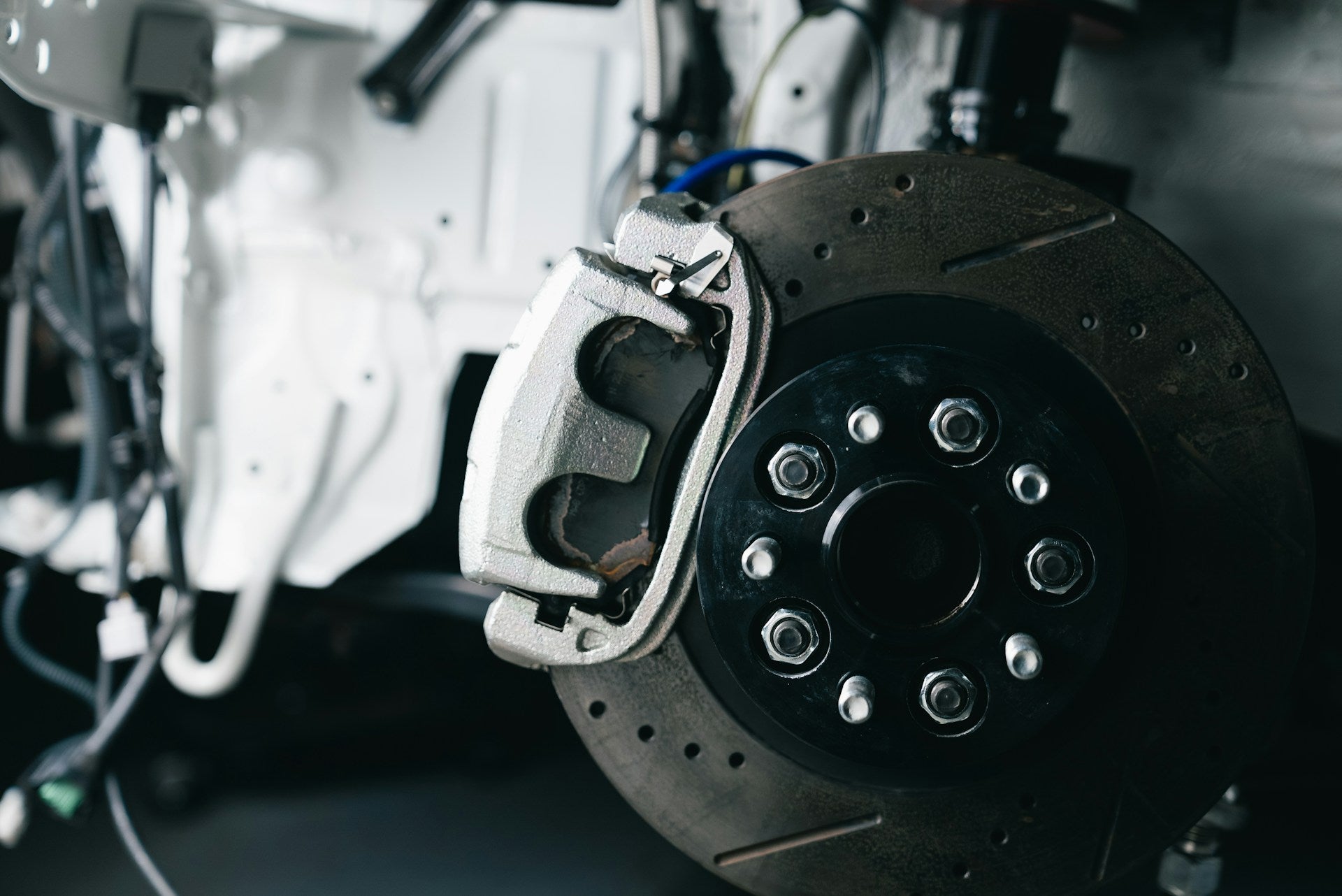
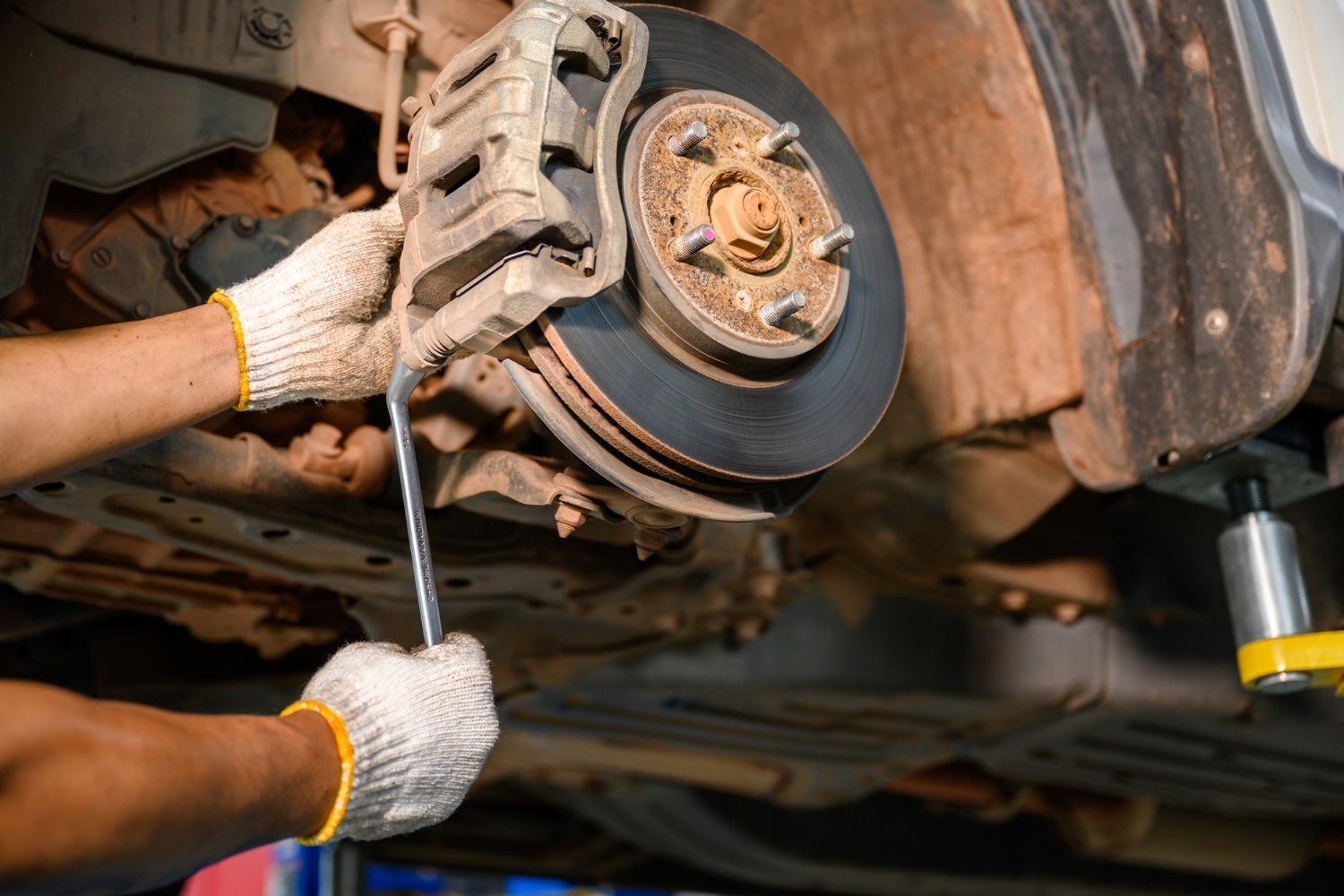
Protect Your Family with Reliable Local Brake Care Safe brakes matter every single time you roll up to a light on Peninsula Boulevard, pull out of your driveway in Hempstead, or head toward the beach before sunrise. With stop-and-go traffic, sudden lane changes, and changing weather on Long Island roads, your Honda needs to be ready to stop when you ask it to. Good brake care is not just about comfort. It is about protecting the people in your car and everyone around you. Late summer often means more time on the road, from back-to-school drop-offs to last quick trips before Labor Day. All that extra driving can expose weak spots in your braking system. Choosing the right place for brake service in Hempstead, NY can give you shorter stopping distances, better pedal feel, and longer brake life. A nearby Honda-focused team in Port Washington can help keep your brakes in shape with inspections, repairs, and maintenance built around how your Honda is designed to perform. How to Tell Your Honda Needs Brake Attention Your brakes usually warn you before they reach a dangerous point. If you know what to look for and listen for, you can get them checked before small issues turn into bigger repairs. Common signs your Honda needs brake care include: Squeaking or squealing when you press the pedal Grinding sounds that feel rough, especially at low speeds Vibrations in the steering wheel or brake pedal A soft or spongy pedal that sinks closer to the floor The car pulling to one side when you brake Your dashboard might also light up with a brake warning. This can point to low brake fluid, worn pads, or an issue with the ABS or brake assist systems. Those lights are your car asking for help, and they should never be ignored, especially before busy late summer driving when roads feel extra crowded. Hot weather, heavy AC use, and constant city traffic around Hempstead can make existing brake wear worse. Heat can thin out old brake fluid and put more stress on pads and rotors. If you notice any sounds, smells, or changes in pedal feel, it is smart to schedule a quick inspection before that wear reaches your rotors and leads to more time in the shop. Choosing the Right Brake Service in Hempstead, NY When it is time for brake work, you have options. Generic repair shops can handle many different makes, but Honda systems are designed with specific parts and technology in mind. That is where a dealership that focuses on Honda can offer extra peace of mind. Here are a few differences to think about: OEM Honda parts are built to match your model’s braking system Technicians trained on Honda vehicles know common wear patterns Honda-specific diagnostic tools help track down ABS and brake assist issues Service recommendations can be tailored to Civic, Accord, CR-V, Pilot, and other Honda models That kind of model-specific knowledge can help you get accurate answers the first time. It also supports warranty-compatible service and keeps your braking system closer to how it left the factory. Clear communication matters too. Good brake care should come with written estimates, simple explanations of pad and rotor condition, and maintenance plans that fit real Long Island driving, from parkways to side streets. Plenty of shops say they handle brake service in Hempstead, NY, but not all bring the same Honda experience or focus on genuine parts. When your goal is safety, it makes sense to trust a team that works with Honda systems all day, every day. What to Expect During a Professional Brake Visit For many drivers, not knowing what happens during a brake visit feels stressful. Once you understand the steps, the process feels much more straightforward. A typical professional brake appointment follows a clear path from check-in to final test. That usually includes: A short test drive to feel vibrations, noises, or pulling A visual inspection of brake pads, rotors, calipers, and lines Measuring pad thickness to see how much material is left Checking brake fluid level and condition Brake fluid is often overlooked, but it plays a big role in stopping power. Over time, moisture can get into the fluid and lower its performance, especially in humid late summer air. Old or contaminated fluid can make the pedal feel soft and reduce the strength of your brakes, so a fluid check is an important part of the visit. After the inspection, technicians can explain what your Honda actually needs. That might be: Simple pad replacement if wear is even and rotors are in good shape Resurfaced or new rotors if they are warped or deeply scored A brake fluid exchange if the fluid is dark or contaminated Extra repairs, such as caliper service, if parts are sticking or leaking A well-organized service department will also talk about timing. Many brake services can be completed the same day, and you can choose to wait in a lounge or use local transportation options while your car is in the shop. Clear timelines help you plan around school runs, work, and end-of-summer plans without surprises. Smart Ways to Extend Your Honda Brake Life Good brake service is important, but daily habits have a big effect on how long your pads and rotors last. A few simple changes in how you drive around Hempstead and Long Island can stretch out the time between bigger repairs. Try these tips to help your brakes last longer: Look ahead in busy village traffic and ease off the gas early Avoid hard braking on Meadowbrook Parkway off-ramps if you can slow gradually Keep extra distance in wet weather and on sandy roads near the beaches Do not rest your foot on the brake pedal while cruising Give yourself time and space in heavy back-to-school lines Regular inspections matter too. It is helpful to have your brakes checked during tire rotations, oil changes, or before longer road trips. Small adjustments, like catching pad wear early or replacing fluid on schedule, can protect rotors from deep grooves and prevent repeat work on the same corners. Honda also outlines a maintenance schedule designed around how its systems are built. Keeping up with services like brake fluid exchanges does more than help you stop, it supports ABS and stability systems that rely on clean, healthy fluid to react quickly. When you pair smart driving with professional guidance and the right brake service in Hempstead, NY, you set yourself up for safer stops and fewer surprises over the life of your Honda. Keep Your Brakes Ready For Every Drive If your Honda has been pulling, squealing, or taking longer to stop, now is the right time to schedule brake service in Hempstead, NY. At North Shore Honda, we inspect, diagnose, and repair your brake system so you can drive with confidence on every trip. Book your appointment online today or contact us with any questions about your vehicle’s brake needs.

Honda

Brake Service Hempstead Drivers Should Schedule Before Fall

Protect Your Fall Drives with Reliable Brakes Good brakes are one of the most important safety features on your vehicle, especially when the seasons start to change. If you drive around Hempstead, you know how quickly the roads can go from dry and easy to slick and busy. Getting ahead of brake problems before that happens can help you stop with confidence and avoid stressful moments in traffic. As late summer fades on Long Island, we see earlier sunsets, cooler mornings, and more rain. Wet leaves can collect near curbs and in intersections, and school zones fill back up with buses, students, and crossing guards. August is a smart time to plan brake service in Hempstead, NY, so your vehicle is ready before fall weather and heavier traffic really kick in. Our team at North Shore Honda cares about safety-first maintenance, and we are here to help with expert brake inspections and service for local drivers. Why Fall Puts Extra Stress on Your Brakes Fall driving can be beautiful, but it can also be tricky. The road surface changes a lot, sometimes in just a few hours. That is when strong, healthy brakes really matter. Here is why your brakes work harder in fall: Wet leaves can act like ice, especially when they pile up Light rain after a dry spell can make oil and dirt rise to the surface Temperature swings can affect tire grip and braking feel Earlier sunsets mean more night driving and less time to react On top of the weather, Hempstead and nearby areas see more stop-and-go traffic once school starts and summer vacations wrap up. Back-to-school drop-offs, after-school events, and crowded parkways make you brake more often. Frequent braking in city and suburban driving can speed up wear on pads and rotors. If your brakes are already worn, fall conditions can expose problems quickly. A thin pad, a glazed rotor, or low brake fluid might not feel too bad on a dry, empty road. But when the pavement is wet, leaves are stuck to the surface, and it is getting dark, those small issues can turn a simple stop into a close call. That is why it helps to get ahead of things while the weather is still more forgiving. Warning Signs You Need Brake Service in Hempstead, NY Your brakes will usually give you hints when they need attention. Paying attention to these signs can help you stay safer and avoid bigger repairs later. Common warning signs include: Squeaking, squealing, or grinding when you brake A brake pedal that vibrates or pulses under your foot A soft or spongy pedal that sinks lower than normal The car pulling to one side when you slow down Longer stopping distances or a “slow to respond” feel Each of these can point to a different problem. For example, squeaking or squealing can mean the pads are worn down and the wear indicators are touching the rotors. Grinding can mean the pad material is gone and metal is rubbing on metal, which can damage the rotors. A vibrating pedal often points to warped rotors. A soft pedal might mean air or moisture in the brake lines, or low fluid. Pulling to one side can come from uneven pad wear or a sticking caliper. Putting off brake service when these symptoms start can allow small issues to grow. Worn pads can lead to damaged rotors, and neglected fluid can affect other brake components over time. Getting your brakes checked at a professional service center near Hempstead, NY, as soon as you notice something off is much better than waiting for a dashboard light, failed inspection, or a scary stop in traffic. What to Expect From Professional Honda Brake Service When you bring your vehicle in for brake service, you should know what is being checked and why. A careful inspection gives a clear picture of your brake health before any work is done. At a typical professional brake visit, technicians will: Inspect brake pads and shoes for thickness and even wear Check rotors and drums for grooves, cracks, or warping Look at calipers, hoses, and lines for leaks or damage Check brake fluid level and condition Road test the car to feel pedal response and stopping smoothness For Honda owners, using genuine Honda parts and having technicians who work with Honda models every day can help keep braking performance close to how it felt when the car was newer. Parts that are made to fit your specific model usually work better together and can help deliver more consistent stopping. Depending on what the inspection finds, a complete brake service might include replacing pads, resurfacing or replacing rotors, exchanging old brake fluid, and cleaning or replacing hardware like clips and pins. All of this works together to bring back smooth, confident braking, reduce noise and vibration, and help your brakes last longer. How Often Hempstead Drivers Should Schedule Brake Checks Brake parts wear at different rates for different drivers, so there is no single mileage number that works for everyone. Still, there are some simple timing tips that can help you stay on track. Many drivers can follow a plan like: Ask for a brake inspection at least once a year Have brakes checked at the same time as oil changes or tire rotations Get them inspected sooner if you notice any warning signs How and where you drive around Hempstead affects this schedule. If you spend most of your time cruising on the parkways with light braking, your pads may last longer. If you drive daily in stop-and-go traffic, deal with lots of traffic lights, or take regular trips into Queens or Manhattan, you may wear pads faster and need more frequent checks. Late summer is a great reminder point. This is when many drivers start thinking about school schedules, fall rain, and longer trips to visit friends and family. Pairing a brake check with other seasonal maintenance can help you head into fall with more peace of mind, knowing your vehicle can handle wet pavement, heavier traffic, and changing light. Schedule Your Brake Service Near Hempstead Before Fall Hits Planning brake service in Hempstead, NY before fall weather settles in is an easy way to protect yourself, your passengers, and other drivers on the road. Taking care of brake issues early helps you avoid surprises when the first big rainstorm hits or when you need to stop quickly on a crowded parkway. North Shore Honda is located a short drive from Hempstead in Port Washington, and we serve Long Island drivers who want trusted, professional care for their vehicles. We offer convenient service hours, clear explanations of recommended work, and service specials that can help you save on important brake maintenance. By getting your brakes checked and serviced ahead of time, you set yourself up for safer, smoother drives through fall and beyond. Keep Your Brakes Ready For Every Drive If your vehicle has been taking longer to stop or making unusual noises, now is the right time to schedule brake service in Hempstead, NY. At North Shore Honda, we carefully inspect your braking system, recommend only what you genuinely need, and complete work with quality parts you can trust. Our team is ready to help you find a convenient appointment time and answer any questions about pricing or maintenance intervals. If you prefer to speak with us first, feel free to contact us today.

Braking

Hempstead Stop-and-Go Braking for Hondas: Extend Pad and Rotor Life

Master Your Honda Brakes in Hempstead Traffic Stop-and-go traffic in Hempstead and across Long Island is tough on Honda brakes. All that creeping, tapping, and sudden stopping on the Southern State, Meadowbrook, and local streets puts a lot of stress on pads and rotors, especially when roads are hot and crowded. Smart driving habits and timely brake care can make a big difference. You can help your Honda stop more smoothly, avoid surprise repairs, and feel safer during beach season, back-to-school drop-offs, and everyday errands. In this guide, we will walk through simple changes you can make to protect your pads and rotors, plus how to tell when it is time to go beyond a basic brake job and look at brake fluid and caliper service at a trusted dealership in the Hempstead area. How Stop-and-Go Driving Wears Honda Brakes Faster Every time you press the brake pedal, your Honda’s brake pads clamp down on the rotors. That friction turns motion into heat. In light traffic, brakes have time to cool between stops. In Hempstead stop-and-go traffic, they often do not. Here is what happens during constant braking in heavy traffic, especially on hot August days: Pads stay hot and wear down quicker Rotors can heat up and cool unevenly, which may cause warping Brake fluid can get stressed, which may lead to a softer pedal over time As wear builds up, drivers around Hempstead might start to notice: Squealing or chirping when you press the brakes Grinding that sounds like metal-on-metal A pulsing brake pedal or shaking steering wheel The car taking longer to stop than it used to Honda brake parts can last a good amount of time in light use, but heavy urban and suburban driving is different. Lots of short trips, traffic lights, school zones, and parkway backups around Hempstead and Port Washington usually mean pads and rotors wear out sooner than in easy highway driving. Your driving style plays a big role too. Hard, late stops eat up brakes much faster than smooth, early braking. Everyday Driving Habits That Extend Pad and Rotor Life You cannot change Hempstead traffic, but you can change how you use your brakes in it. A few simple habits can help your Honda’s pads and rotors last longer. First, start looking ahead more. Instead of waiting until the last second to brake at a light or slow car, try: Easing off the gas early when you see brake lights in the distance Coasting gently toward red lights and stop signs Rolling smoothly through low-speed areas like school zones and shopping centers Next, leave more space between you and the car in front, especially in heavy Hempstead traffic. A safe following distance lets you: Brake lightly instead of slamming the pedal Avoid repeated short, hard stops that cook pads and rotors React more calmly if someone cuts in or stops suddenly If your Honda has drive modes, choose the one that matches how you drive most of the time. A calmer mode often softens throttle response, which can lead to smoother braking. On open stretches of parkway where it is safe, features like adaptive cruise control can help keep a steady distance and reduce constant speed changes that wear brakes. The main goal is to think gentle and early instead of hard and late. Your brakes, your passengers, and your stress level will all benefit. Seasonal Brake Care Tips for Late Summer and Fall Summer heat in Nassau County is not just uncomfortable for drivers, it is tough on brakes too. When road temperatures climb and traffic slows to a crawl, pads and rotors run hotter. That can bring on brake fade, where the brakes feel weaker after repeated stops, and can speed up fluid wear and rotor damage. Late summer is a smart time to pay closer attention to how your brakes feel and sound. Watch for: Brakes that feel weaker after being used a lot in one trip A hot smell after driving in heavy traffic Any new noises when you press the pedal As we move into fall, road conditions change again. Wet leaves, early frost, and heavier school-year traffic all put more demand on your Honda’s stopping power. Before those days arrive, it helps to have a professional check for: Pad thickness and any glazing or uneven wear Rotors that are hot spotted, grooved, or warped Brake fluid level and condition A late summer or early fall brake inspection at a dealership that offers brake service in the Hempstead, NY area can catch small problems before wet and slippery roads make them feel bigger. When a Simple Brake Job Is Not Enough Anymore Many drivers think of brake service as just “pads and rotors.” As a Honda gets older, there is more to pay attention to. The brake system also relies on fluid, hoses, and calipers that all work together. Here is the basic difference: Routine brake job: usually pads and sometimes rotors, plus hardware checks Deeper brake service: brake fluid flush, caliper cleaning or replacement, hose and slide pin inspection Over time, brake fluid can absorb moisture and get dirty, which can affect pedal feel and braking power. Calipers and slide pins can stick or corrode, especially with years of stop-and-go use. When that happens, one wheel might do more of the braking work, which leads to uneven pad wear and hotter temperatures at that corner. You may need more than new pads if you notice: A soft or spongy brake pedal Brake fluid in the reservoir that looks dark or dirty Brakes that feel like they are dragging or not fully releasing One wheel that seems much hotter after driving The car pulling to one side when braking A complete professional brake inspection around Hempstead should look at the whole system, including hoses, calipers, slide pins, and fluid condition. The goal is not just quiet brakes, but consistent stopping power and pedal feel. Why Honda Owners Trust North Shore Honda for Brake Care When it comes to brake service in Hempstead, NY and nearby communities, Honda drivers benefit from working with a team that knows their vehicle inside and out. At North Shore Honda in Port Washington, we focus on Honda models, so our technicians spend their days working with vehicles like the Civic, Accord, CR-V, HR-V, and Pilot. Factory-trained technicians and Honda Genuine Parts help make sure your brake system is serviced the way the manufacturer intended. Service procedures are tailored to Honda systems, from pad and rotor choices to how the fluid is checked and replaced. For Hempstead drivers, our location on the North Shore is an easy trip from many Long Island neighborhoods. It is simple to plan a visit and take care of a brake inspection while you are already in for something else, like an oil change or tire rotation. Bundling services saves time and helps keep your Honda’s brakes, tires, and other systems working together the way they should. Season after season, smart driving habits and timely professional service can keep your Honda’s brakes ready for whatever Hempstead traffic throws at them, from summer beach runs to busy school mornings. Keep Your Brakes Ready For Every Drive If you have noticed squeaking, grinding, or a softer brake pedal, our team at North Shore Honda is ready to help restore your confidence on the road. Schedule your brake service in Hempstead, NY today so we can inspect, repair, or replace components before minor issues become costly problems. If you have questions about symptoms you are experiencing or want help finding a convenient appointment time, feel free to contact us.

Brake Service

Brake Service Questions Hempstead Drivers Forget to Ask

Avoid Costly Repairs with Smarter Brake Questions Brake problems often start small and quiet, then grow into big repairs and unsafe drives. Asking better questions about brake service can help stop that from happening. When you understand what is going on with your brakes, you can approve the right work at the right time and keep your Honda feeling safe and solid on every trip. For drivers in Hempstead and nearby Long Island towns, brakes work extra hard. Summer road trips, traffic to and from the beaches, and stop-and-go congestion around shopping areas and parkways all put more heat and wear on your braking system. When that is your daily normal, it pays to ask your service advisor a few smarter questions before you say yes to any brake work. At North Shore Honda in Port Washington, we help many Hempstead drivers sort through those questions. Our goal is to explain what your car needs in clear, simple terms, so you can make confident choices about brake service without any confusion or guesswork. How Often Should Brakes Really Be Inspected? A common rule for brake checks is every 12 months or 12,000 miles. That is a helpful starting point, but it is not perfect for everyone. If you spend a lot of time sitting in Hempstead traffic, driving into the city, or running back and forth to the beaches, your brakes may need attention more often. It also helps to know the difference between a quick look and a full inspection. During an oil change, a technician might only: Peek at the pads through the wheel Check for obvious fluid leaks Listen for any strange noises on a short test drive A full brake inspection is more detailed and can include: Measuring pad thickness on all four wheels Inspecting rotors for grooves, heat spots, or warping Checking hoses and lines for leaks or damage Testing brake fluid condition Taking the car on a focused road test to feel pedal response and stopping power The smart question to ask is: “Based on how I drive, how often should my brakes be fully inspected?” Share your daily commute, how much highway vs. stop-and-go driving you do, and about how many miles you drive each year. That gives your service team the info they need to build a schedule that fits your life, not just a general rule. What Brake Noises Mean You Cannot Ignore? Brakes like to talk, and the sounds they make can tell you a lot. Some noises are just annoying. Others are warnings you should not ignore. Common brake sounds include: Light squeaking, often at low speeds Loud grinding or growling Sharp metal-on-metal screeching Rhythmic thumping or pulsing when you slow down A soft squeak after your car sits overnight can come from a thin layer of surface rust on the rotors, especially with the Long Island humidity and coastal air. That noise often fades after a few stops. But if squeaking stays, gets louder, or you feel vibration in the pedal, it can point to worn pads or rotor damage. Grinding or metal-on-metal noise usually means the pads are worn so thin that the backing plate is scraping the rotor. At that stage, putting off brake service can lead to more parts needing replacement. A thumping sound might mean a rotor is warped or has uneven spots that affect braking. Good questions to ask your technician are: “Is this just surface rust noise, or are my pads worn?” and “Can you show me the worn parts before replacing them?” When you see pads and rotors with your own eyes, it is much easier to understand why certain repairs are recommended. The Truth About Brake Pads, Rotors, and Lifetime Warranties Not all brake pads are the same. The three main types you will hear about are organic, semi-metallic, and ceramic. Organic pads are quieter but may wear faster in heavy stop-and-go traffic Semi-metallic pads handle heat well but can be noisier and tougher on rotors Ceramic pads are often quiet, handle heat nicely, and create finer, lighter-colored brake dust For Hempstead drivers who deal with city-style traffic and warm summers, you want pads that can handle frequent stops and higher heat without fading. This is where asking what type of pad is being installed on your Honda matters. You can ask: “What kind of pads are you using, and why are they a good match for my driving?” Rotors are just as important as pads. In some cases, rotors can be resurfaced to clean up minor grooves and give the pads a fresh surface. In other cases, they must be replaced, especially if they are too thin, badly warped, or have deep heat spots from repeated hard stops. Stop-and-go driving builds heat, and over time, that can change the surface of the rotor. When a shop mentions a lifetime warranty on pads, it usually means the pad material is covered, not the labor or the rotors. A helpful question is: “What is covered by the warranty, and what is not?” Also ask if your Honda is getting parts that meet factory standards, and whether the brake components are designed specifically for your model. Brake Fluid, Calipers, and the Hidden Parts You Forget Brake pads and rotors get all the attention, but they are only part of the system. Brake fluid, calipers, lines, and hardware all work together in the background. Brake fluid takes the pressure from your foot and sends it to the brakes at each wheel. Over time, fluid can pull in moisture. That extra moisture can lower braking performance and may lead to internal corrosion in brake parts. It is smart to ask: “Is my brake fluid still testing within Honda’s recommended specs?” and “When do you suggest a brake fluid flush for my driving?” Calipers clamp the pads onto the rotors. If a caliper is sticking or not moving freely, you might feel the car pull to one side, smell something hot near a wheel, or notice uneven pad wear. Brake lines and hoses carry fluid to each wheel, and road salt and age can cause corrosion or cracks. Key questions many people forget include: “Are my calipers moving freely, or is anything sticking?” “Are any brake lines or hoses starting to corrode from road salt?” “Is all my brake hardware in good shape, or does anything need to be replaced with the pads?” These details help catch hidden problems before they turn into a soft pedal, longer stopping distances, or sudden failures. Choosing the Right Place for Brake Service in Hempstead, NY When you are ready for brake service in Hempstead, NY, you have options. Quick service shops may seem convenient, but a dealership that works with your Honda every day understands the way your specific model is built and how it is meant to feel. At a Honda dealership, technicians are trained on factory-recommended procedures and have access to model-specific tools and information. That matters when diagnosing brake issues that are not obvious, like an intermittent pedal feel or an electronic parking brake problem. It also helps keep your car closer to the way it felt when it was new. Wherever you go, you should feel comfortable asking for: A written, itemized estimate that breaks down labor and parts An explanation of why each part is being replaced A look at the worn components before and after service For Hempstead drivers, North Shore Honda is close by in Port Washington and focused on Honda vehicles. We provide brake inspections that pay attention to your model, your mileage, and how you actually use your car around Long Island, so your brake service feels clear, honest, and tailored to you. Keep Your Brakes Ready For Every Drive If you have noticed squeaking, grinding, or a longer stopping distance, our certified technicians at North Shore Honda are ready to help with professional brake service in Hempstead, NY. We use quality parts and thorough inspections to keep your vehicle safe and responsive on the road. Schedule your appointment online today, or contact us with any questions about your brake concerns.

Honda

Lease Buyout Choices for Long Island Honda Drivers Explained

Make the Most of Your Honda Lease Buyout Options A lease buyout is when you decide to purchase your leased Honda instead of turning it in. If your lease is ending soon, it helps to start thinking about this choice a few months early so you are not rushed at the last minute or right before a planned road trip. With a little planning, you can figure out if keeping the Honda you already know is better than starting something new. For many Long Island drivers, a buyout can make a lot of sense. It often works well if: Your mileage is low for your lease term Your Honda has been well cared for and feels solid You are happy with the way it drives and fits your daily routine It has been hard to find a similar new model in stock Thinking ahead gives you time to review your lease paperwork, compare choices, and ask questions so you do not run into surprise fees or a rushed decision when the lease clock runs out. Understanding How Your Honda Lease Buyout Works Before you decide, it helps to understand a few key terms that usually appear in your lease contract or on your lease-end statement from Honda Financial Services. Residual value: The amount your Honda is expected to be worth at the end of the lease. This is often the base price for your buyout. Payoff amount: What it takes to buy the vehicle at a specific time, which can include the residual, remaining payments, and some fees. Purchase option fee: A preset fee listed in your contract that may be added when you buy the vehicle. There are two main types of buyouts. An early buyout happens before your scheduled lease end. In that case, the payoff can include: Remaining monthly payments The residual value Taxes and any purchase fees A lease-end buyout happens at or very close to the final date of your contract. At that point, the payoff is usually the residual value plus any purchase fee and taxes. The basic timeline often looks like this: About 3 to 6 months before your lease ends, you review your contract and request a payoff quote. You compare that number with your plans and the current value of similar Hondas. If you decide to buy, you set up financing or prepare to pay in full. The dealership and Honda Financial Services handle the payoff, paperwork, and title transfer so the vehicle can be placed in your name. Knowing this flow ahead of time makes the whole process feel more relaxed and predictable. When Buying Out Your Honda Lease Makes Sense Buying out your lease can be a smart money move in several situations. One common case is when the market value of your Honda is higher than the residual value in your contract. In simple terms, if your vehicle is worth more than what you can buy it for on your lease, that difference is value you get to keep. A buyout may also be worth a closer look if: Your mileage is already over, or you know it will be by lease end You want to avoid possible excess wear and tear charges You are happy with the vehicle’s history and how it has been maintained Lifestyle plays a big part for Long Island drivers. If you have a steady commute, regular school drop-offs, or weekend trips, it can feel good to keep a vehicle you trust. Many drivers like holding on to a Honda that has already handled local traffic, parking, and seasonal weather without surprises. It can also help to compare your buyout cost to other choices. You may want to: Look at current Honda lease deals in Port Washington Compare with similar used Hondas that are available Think about how long you plan to keep your next vehicle Seeing all these numbers side by side makes it easier to know if keeping your current Honda fits your plans. Comparing Lease Buyout vs New Honda Lease or Purchase When your lease is ending, you usually have three main paths: buy your current Honda, start a new lease, or finance a different Honda, either new or used. Each has pros and cons. Buying your current Honda: Pros: You know its history, no turn-in surprises, you can drive as many miles as you want. Cons: You are now responsible for long-term repairs as the vehicle ages. Starting a new Honda lease: Pros: Access to newer features and technology, a fresh factory warranty, and a planned cycle for switching vehicles. Cons: Mileage limits and possible wear and tear charges at the next lease end. Financing a new or used Honda: Pros: You build ownership over time and can keep the vehicle as long as you like once it is paid off. Cons: Monthly payments can be different than what you are used to on your lease, depending on the vehicle and terms. Current Honda lease deals in Port Washington, plus interest rates and any available incentives, can shift the balance between these options. If you are thinking about upgrading, comparing payment estimates and out-of-pocket amounts helps you see what fits your budget and driving style. Financing Your Honda Lease Buyout If you decide a buyout is right for you, the next step is figuring out how to pay for it. Many drivers choose to finance the buyout with a loan instead of paying the full payoff amount in cash. Common financing options can include: Bank or credit union auto loans Honda financing, depending on availability Loans arranged through the dealership for added convenience Your credit score, the amount you can put down, and the age and condition of your Honda can all affect the rates and terms you are offered. A higher credit score and a larger down payment can sometimes help you qualify for more comfortable monthly payments. A well-organized buyout process usually includes: Getting a clear payoff quote and reviewing your lease contract Discussing loan options and estimated payments Completing payoff paperwork with Honda Financial Services Handling taxes, inspection, and registration so the title can be moved into your name When everything is coordinated in one place, it can feel a lot like a normal purchase: you review, sign, and then drive away as the official owner. What Happens If You Skip the Lease Buyout If you decide not to buy your Honda, you will return it at the end of your lease. Before that happens, your vehicle is usually inspected to check its condition and mileage. Here are some things that may come up during the lease-end process: Excess wear and tear charges for major dents, damaged wheels, or torn seats Mileage penalties if you went over your allowed miles A disposition fee that may be listed in your original lease contract You can prepare ahead of time by: Scheduling a pre-inspection so you know what to expect Taking care of minor cosmetic issues, if it makes sense for you Reviewing current Honda lease deals in Port Washington and any purchase options so you are ready for your next step Many drivers like to line up their next Honda before they turn in the current one. That way, there is little or no gap without a vehicle, which can be especially helpful during busy summer months when schedules are full and travel plans are common. Plan Your Best Lease-End Move with North Shore Honda As your lease gets closer to the end, it pays to be organized. Gather your current mileage, your payoff quote from Honda Financial Services, and any inspection details so you have everything in one place. With that information, you can clearly compare buying your current Honda to starting a new lease or financing a different model. At North Shore Honda in Port Washington, our team is ready to help Long Island drivers sort through lease-end questions and options. We can walk you through how a lease buyout works, what other Hondas are available, and how different choices may affect your monthly payments and long-term plans. A clear plan can turn lease-end from a stressful deadline into a chance to choose the Honda and payment that fit your life right now. Lock In a Honda Lease That Fits Your Life and Budget If you are ready to upgrade your daily drive, explore our current Honda lease deals in Port Washington and find the model that fits your needs. At North Shore Honda, we take the time to walk you through your options so you can feel confident about your payment and terms. Reach out to our team with any questions or to schedule a test drive by using our contact page form today.

Honda

Summer Honda Lease Roadmap in Glen Head: Timing, Mileage, and Wear Planning

Map Out Your Summer in a New Honda A Honda lease can be a smart way to enjoy summer around Glen Head without long-term pressure. When you plan it around your real driving habits, you get the space, comfort, and tech you want, while keeping mileage and wear under control. Life on the North Shore often means quick runs to North Hempstead Beach Park, relaxed drives out toward the North Fork, and easy weeknights in Port Washington for dinner or the marina. Some drivers rack up miles in the warm months, then slow down once school, work, and colder weather return. A well-structured lease can match that rhythm. We will walk through how to time the start of your lease, plan summer mileage, protect your Honda from sand and sun, and think ahead about the end of your term, all while keeping Honda lease offers in Glen Head in mind. Choosing the Best Time to Start Your Lease Honda lease programs often follow patterns. Many shoppers notice that end-of-month and end-of-quarter can bring attractive options as manufacturers and dealers look to finish strong. Model-year changeovers can also play a role, as current models and outgoing models may be supported differently. For many drivers, late spring through mid-summer is a sweet spot. By then, families are planning their summer schedules, kids are almost out of school, and people are thinking about road trips and weekend fun. Starting a lease in that window can give you: A fresh vehicle ready for the whole summer Time to learn all the features before big trips Lease terms that carry you through several summers Late summer can also work well if you are interested in an outgoing model and flexible with timing. Local life on Long Island has its own rhythm, with school calendars, holiday weekends, and heavy travel times. Talking with a team member early lets you: Learn what models are incoming and when Line up your delivery with your first planned trip Match your lease start to your personal calendar, not just the weather Planning Summer Miles for Beach and Road Trips Mileage is one of the biggest parts of any lease. Common allowances include 10,000, 12,000, and 15,000 miles per year, with some drivers choosing more if they travel often. The key is to be honest about how you use your Honda in and around Glen Head. Start by breaking your driving into simple blocks: Daily or weekly commute Regular trips to nearby beaches and parks Weekend drives to the North Fork, Hamptons, or Catskills One or two longer road trips during the year Think about how your miles shift by season. Many North Shore drivers see: Higher mileage in late spring and summer with beach days and road trips Moderate mileage in early fall with school and activities Lower mileage in winter when people stay closer to home If your summer is very active, it can make sense to choose a higher yearly limit. The per-mile charge at the end of a lease is often higher than the cost of building in more miles at the beginning. When you sit down to explore Honda lease offers in Glen Head, ask about: The difference between each mileage tier Options to pre-purchase extra miles What happens if your life changes and your mileage goes up Protecting Your Honda From Summer Wear and Tear Warm weather fun can be a little hard on a clean interior and shiny paint. Sand, sunscreen, snacks, and salt air can all leave marks if you do not stay ahead of them. Crowded beach and downtown parking areas can also raise the odds of dings or scuffs. Some simple protection choices can help keep your leased Honda closer to “normal wear” at turn-in: All-weather floor mats to catch sand and water A cargo liner for wet towels, chairs, and coolers Seat covers or towels for sunscreen and wet swimsuits Paint or interior protection products to help with stains and fading Not every mark on a leased vehicle counts as a problem. Light scratches, small chips, and gentle interior wear are usually seen as normal use. Larger dents, deep scratches, cracked glass, or damaged wheels can be billed as excessive wear at the end of your lease. Often, taking care of small issues during the lease is less stressful than facing them all during the final inspection. Having regular service with a team that knows your Honda can make this easier. Oil changes, brake checks, and tire rotations help keep your vehicle driving well, and they also give experts a chance to spot problems early and suggest simple fixes. Structuring a Lease Around Summer Travel Once you know when you would like to start and how much you drive, you can shape the rest of your lease around your summer plans. Model choice is the first step. For beach gear and family trips, many Long Island drivers look at: CR-V or HR-V for flexible cargo space and easy parking Pilot for larger families or frequent road trips Odyssey for maximum room and comfort on long drives Next, think about lease length. A shorter term can be useful if you expect big life changes, such as a job move or a new teen driver who will need a vehicle soon. A longer term spreads your driving across more summers with the same vehicle. When you look at the payment structure, you balance two main pieces: Upfront costs such as fees and any down payment Monthly payments over the length of the lease Some drivers prefer to keep upfront costs lower so they have more cash for gas, tolls, and trip spending during high-travel months. Others like to put more down to help lower their monthly number. Useful add-ons for frequent travelers can include: Roadside assistance for peace of mind on parkways and bridges Maintenance plans that line up with service visits before long trips GAP coverage to help protect you if something serious happens to the vehicle Planning Ahead for a Smooth End of Lease Summer planning is not only about the start of your lease. Thinking about the end can actually shape a smoother experience years later. Many drivers like their lease to end in late spring or early summer, so they can roll into fresh options right as the warm season starts. A few months before your term is up, it helps to: Check your mileage against your allowance Have a pre-inspection or walkaround to find any issues Review your options and how they fit your current lifestyle At the end of the lease, you usually have three basic paths: Return the vehicle and step into a new Honda lease that better matches your current summer plans Buy out the vehicle if it fits your life and your mileage is high but the condition is good Return the vehicle and change your driving approach, such as moving to a different model size Working through these choices early with a team in Port Washington makes it easier to set up your next lease so it supports the way you and your family really use your Honda when Long Island roads are calling. Drive Home More Value With Flexible Honda Lease Options Explore our current Honda lease offers in Glen Head to find a payment and term that fit your budget and driving needs. At North Shore Honda, we take the time to walk you through your options so you can choose your next vehicle with confidence. If you have questions about specific models, payments, or qualifying, simply contact us and we will help you get started.

Honda Parking

Weekend Parking Hacks with a Honda Civic in Hicksville

Stress-Free Summer Parking Wins in Hicksville Weekend fun in Hicksville is great, until you start circling for a parking spot. Whether you are heading to Broadway Mall, grabbing food along North Broadway, or stopping by a local park, how and where you park can shape your whole day. A calm, easy parking routine means you get to enjoy your plans instead of feeling tense before you even get out of the car. That is where the right car helps. A smart Honda Civic lease in Hicksville can turn tight mall aisles, crowded curbs, and busy side streets into something you handle with confidence. In this guide, we will share practical parking hacks for Civic drivers around Hicksville, plus how choosing the right Civic can make your Long Island weekends feel a lot more relaxed. Choosing the Right Honda Civic for Hicksville Weekends Not every car fits Hicksville the same way. Lots around Broadway Mall or smaller side streets off North Broadway can feel tight, especially on weekends. A Honda Civic keeps things simple, with a size that is easy to park without giving up comfort inside. When you are thinking about which Civic fits your life, it helps to compare body styles and trims for parking: Civic sedan, great for standard spaces, easy to fit in mall garages Civic hatchback, shorter overall, helpful for parallel spots on side streets Sportier trims, often with slightly firmer steering feel for precise low-speed control Compact dimensions matter when space is limited. It is easier to slip into shorter curb gaps, ease into a parallel spot, or straighten out in a narrow aisle when your car is not oversized. You spend less time backing out, pulling in again, and worrying about bumping a curb or the car next to you. Modern Civic models also bring helpful parking-friendly tech, such as: Rearview camera to give a clear look behind you as you park Honda Sensing driver-assist features that can help in low-speed situations Available parking sensors that beep as you come close to obstacles Available blind-spot monitoring to help you check for cars in the next lane With a Honda Civic lease in Hicksville, you can enjoy the latest versions of these tools and refresh your car every few years. As local roads, shopping centers, and traffic patterns change, staying current with new tech makes weekend driving feel easier and safer. Smart Parking Strategies Around Hicksville Hotspots Parking is not just about the car. It is also about timing and choices. A few simple habits can make Broadway Mall, North Broadway, and nearby streets much less stressful. For busy spots like Broadway Mall, try: Arriving earlier in the day, before the peak rush Heading to upper levels in the garage, which are often less full Parking a little farther from the main entrance, where spaces open up more often Along North Broadway, it can help to: Circle once, then decide whether a side street is smarter Use your Civic’s compact size to fit into shorter curb spaces Take parallel spots that bigger vehicles avoid On residential side streets, pay attention to signs, driveways, and hydrants. Your Civic’s smaller footprint helps you settle into a legal space without sticking out or blocking anyone. Because the car is easier to turn, you can make tighter turns into open areas without needing multiple tries. Your tech can support your planning too. You can: Pair your phone with the Civic for GPS directions to less crowded entrances Drop a map pin or note your location so you do not forget where you parked Check traffic before leaving Port Washington so you can pick better routes and parking areas Together, your Civic’s size and your parking plan can save a lot of time circling the block. Beating Summer Crowds with Civic-Friendly Parking Hacks Summer weekends on Long Island can bring more cars, more events, and more delays. Detours, beach traffic passing through, and local festivals can all spill into Hicksville lots and side streets. When the weather is hot and lots are full, small tricks can make your Civic a nicer place to come back to. Warm-weather parking tips that work well with a Civic include: Looking for shaded spots near trees or buildings to keep the cabin cooler Avoiding end-of-row spaces next to heavy foot traffic where door dings are more common Parking slightly away from cart return areas to lower the risk of rolling carts Simple gear also helps. A windshield sunshade, even in a compact car like the Civic, can cut down on heat on your steering wheel and seats. Cracking the windows a tiny bit, where safe and legal, can help airflow. If your leased Civic has remote start and efficient climate control, you can cool things down before everyone gets back in. Starting the AC a short time before you return to the car can make a big difference after a long afternoon in a sunny lot. Because the cabin is not huge, it usually reaches a comfortable temperature pretty quickly. Maximizing Safety and Security in Busy Lots Crowded garages and nighttime parking areas call for a bit more awareness. A few habits, along with Civic safety features, can help you feel more secure. Try to: Choose well-lit spots near main walkways or entrances Avoid isolated corners where foot traffic is low Back into a space when it is safe so you have better visibility when you leave The Civic’s rearview camera is helpful here, especially in low-speed backing. You can spot pedestrians, strollers, and carts that are hidden in mirrors alone. Driver-assist systems that can help warn of a possible collision at lower speeds give an added layer of confidence when you are easing through a tight row. You can also protect your car and belongings with habits like: Locking doors every time, even for a quick stop Keeping bags, electronics, and shopping out of sight Adjusting your mirrors before you start backing so you have a wide view Turning the steering wheel straight before you park, which can make your next exit smoother These small steps take seconds but pay off in easier exits and a safer feel as you move through busy weekend lots. How a Civic Lease Elevates Your Weekend Parking Game All of these tips feel even more natural when the car under you is built for this kind of driving. A Honda Civic lease in Hicksville fits the way many Long Island drivers use their cars, moving between malls, restaurants, commuter lots, and local parks. The compact size, smart layout, and helpful tech make tight spaces feel more manageable. Leasing can be a strong choice for weekend-focused drivers because it lets you: Plan mileage around regular trips between Port Washington, Hicksville, and nearby towns Keep monthly payments more comfortable than many purchase plans Refresh your Civic every few years so you always have up-to-date parking and safety technology When you are ready to get serious about easier weekend parking, we at North Shore Honda are here to help you explore Civic lease options, try real-world parking around Hicksville on a test drive, and find the trim and features that fit the way you spend your days off. Drive Home Confidence With The Right Honda Civic Lease Option If you are considering a Honda Civic lease in Hicksville, we are here to walk you through every step so you can feel confident in your decision. At North Shore Honda, our team will help you understand your options, from mileage and terms to what happens at lease end. Reach out today with any questions or to discuss your situation, or simply contact us to get started.

Honda CR-V

Rainy Day Test-Drives with a Honda CR-V Around Glen Head

Discover Why Rainy-Day Test Drives Matter on Long Island A rainy day is actually one of the best times to test drive a Honda CR-V around Glen Head. Wet roads, puddles, and low clouds show you how an SUV really feels when the weather is less than perfect. If you spend time on the North Shore, you know that light mist can turn into a heavy shower pretty quickly. Driving in the rain lets you feel how the CR-V handles real-world conditions, not just smooth, dry pavement. You can get a better sense of how it brakes, how the tires grip the road, how clear your view is, and how relaxed you feel inside the cabin. That kind of experience matters when you are thinking about a Honda CR-V for sale in Glen Head or nearby Port Washington. Around here, local roads tell you a lot in a short time. From the curves and slopes of roads near Harbor Hill to everyday errands along Glen Cove Avenue, wet pavement can bring out both the strengths and weak spots of any vehicle. A rainy test drive gives you a clear, honest look at how the CR-V fits your daily routine. How a Honda CR-V Handles Wet North Shore Roads On soaked pavement, traction and stability are the first things most drivers think about. With available all-wheel-drive systems like Real Time AWD with Intelligent Control System, the CR-V is built to send power where it is needed most. That extra grip can help when you pull away from a stop sign on a slick side street or ease down a graded hill after a sudden shower. Here is what many drivers notice on wet roads around Glen Head and the nearby North Shore: Confident takeoffs from stop signs and traffic lights in the rain Steady control on gentle curves and ramps Composed feel when merging with traffic on damp, uneven pavement Less wheel slip when crossing wet painted lines or metal covers Braking feel is just as important. On a rainy test drive, you can pay attention to how quickly the CR-V responds when you press the pedal and how steady it feels if you need to slow down for a yellow light. Try a few safe, firm stops where traffic allows, and see how stable the SUV feels even when the road has puddles or light standing water. Steering feedback also helps you feel in control. The CR-V gives you responsive steering so you can make small, quick adjustments if the road is shiny or patchy from recent rain. Around the Roslyn and Glen Cove area, where you might see spray coming off other vehicles, the suspension and cabin insulation help keep the ride comfortable and calm. Outside, water can be flying. Inside, you still get a quiet, relaxed space. Visibility, Safety, and Comfort When the Skies Open Up Good visibility in the rain can make you feel much less stressed. The Honda CR-V offers features that help you see and be seen when the sky turns gray. LED headlights shine bright, clear light, and available fog lights can help cut through low clouds or mist close to the ground. Large side mirrors give you a wide view of traffic, even when water is spraying off nearby cars. On a rainy test drive, pay attention to: How quickly the wipers clear the windshield How well the rear window and mirrors stay clear How easy it is to adjust defoggers and climate controls How bright and focused the headlight beams feel on darker stretches If the CR-V you test has rain-sensing wipers, you can see how they adjust speed on their own as the rainfall changes. With less fiddling with stalks and switches, you can keep your hands steady on the wheel. Honda Sensing Driver-Assist features are especially helpful in poor weather. Systems like Collision Mitigation Braking can help apply braking support if a possible front collision is detected, which can be reassuring when visibility is not perfect. Road Departure Mitigation can help if you start to drift toward the edge of the lane, a useful backup when lines are wet and harder to see. Adaptive Cruise Control can help you keep a set following distance in highway traffic, which can calm things down during a long, rainy drive. Inside, comfort features help keep everyone relaxed. Dual-zone climate control, where equipped, lets front passengers pick their own temperature, which is handy on cool, damp days. Supportive seating and simple, easy-to-reach controls mean you are not stretching or searching for buttons while you focus on the road. Planning a CR-V Rainy Day Test-Drive From Glen Head If you live in Glen Head or close by, it is smart to plan a rainy day test drive when showers are in the forecast. You can set up a time with us online or over the phone, then keep an eye on local weather. Light to moderate rain is usually best so you get wet-road feedback without severe conditions. For your route, you may want a mix of: Local streets with stop signs and crosswalks Curvy sections with small hills Busier main roads with traffic lights A short stretch of higher-speed driving if conditions are safe A realistic path could start on quieter Glen Head neighborhood streets, then wind toward main roads that lead to Port Washington. This way, you feel how the CR-V handles hills, curves, tight turns, and merging into mixed traffic, all in the same drive. Here are a few extra tips: Bring the people who ride with you most, like family members or friends Try a couple of parking spots at a shopping center to test visibility and turning Notice how the CR-V accelerates onto busier roads when the pavement is wet Adjust mirrors, seat, and steering wheel at the start so the drive feels natural The goal is to drive the CR-V the way you actually live, just on a rainy day instead of a sunny one. Comparing CR-V Trims and Features for All-Weather Driving When you start looking at trims of a Honda CR-V for sale in Glen Head, it helps to think about your typical weather. On the North Shore, that can mean light drizzle, afternoon showers, and heavier storms at times, plus trips to the beach or school runs in all that. Trims with available all-wheel drive are often a top pick for drivers who want more confidence in the rain. Driver-assist features, including the Honda Sensing suite, are helpful if you spend a lot of time on the highway or in stop-and-go traffic. Some trims add extras like: More advanced audio and touchscreen options Additional comfort features for longer drives Available power-adjustable seating for better driving position Extra convenience touches that make everyday use easier Inside, the CR-V is set up to handle real life. Fold-flat rear seats help with cargo, from sports gear and beach chairs to grocery runs on a wet afternoon. The wide rear opening and low load floor make it easier to get items in and out without standing in the rain longer than you need to. If you are comparing several CR-V models in Glen Head or nearby communities, it can help to think about: How often you drive in the rain or on damp, leaf-covered roads How many passengers you usually carry How much cargo space you need for weekend getaways Which driver-assist and comfort features you want every single day Our team at North Shore Honda is here to walk you through those choices, explain the differences between trims, and help you find a CR-V that fits both your driving style and your budget, whether you are coming from Glen Head, Port Washington, or anywhere along the North Shore. Find Your Ideal Honda CR-V With Confidence Today Explore our detailed trim comparison to find the Honda CR-V for sale in Glen Head that fits your lifestyle and budget. At North Shore Honda, we are here to guide you through features, pricing, and financing so you can feel confident in your choice. If you have questions or want to schedule a test drive, simply contact us and our team will be ready to help.

Contact Us

Fill out this form below and we'll contact you shortly
*Required Fields