Blog

All North Shore Honda Dealer Model Features News Electric Vehicle Finance Glen Head Honda Dealer North Shore Honda Service
Honda

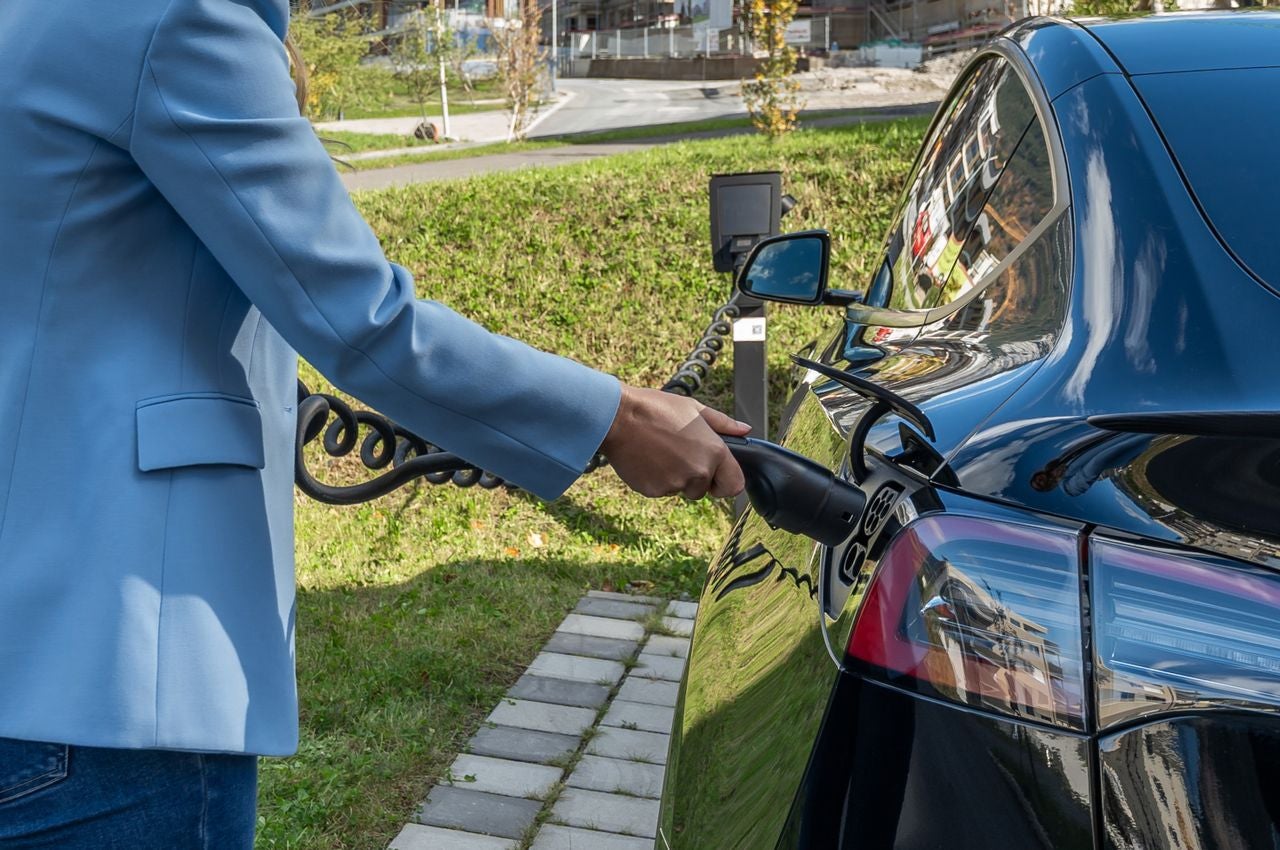
Honda Prologue in Port Washington: Charging Costs, Winter Range, Commute Fit

Discover If a Honda Prologue Fits Your Port Washington Life A lot of drivers in Port Washington are starting to ask if an all-electric SUV can really handle their everyday routine across Long Island and into the city. The Honda Prologue is built for that exact kind of life, with quiet power, a roomy interior, and the comfort of a Honda SUV you already know. The big questions are usually the same: How will I charge it, what happens to range in winter, and will it cover my daily commute without stress? Here, we walk through what Honda Prologue ownership looks like for drivers in and around Port Washington. We compare home and public charging costs in plain language, talk about cold-weather range, and see how the Prologue fits real local drives to Hicksville, Manhattan, and favorite weekend spots. Home Charging Costs for Port Washington Drivers Most Prologue owners in Port Washington who can park in a driveway or garage end up charging at home. There are two basic types of home charging: Level 1 charging uses a standard household outlet Level 2 charging uses a 240-volt outlet, similar to a dryer line Level 1 is slow and works best if you drive very little. For a daily commute, most North Shore drivers prefer a Level 2 charger in the garage or by the driveway. It adds range much quicker, so topping up overnight feels simple and routine. When you pay for home charging, you are just paying your normal electric bill. Long Island residential electricity is billed by the kilowatt-hour. The Prologue turns those kilowatt-hours into miles, so your real question is: how many miles do you get for each unit of electricity? That number depends on how you drive, how fast you go on the highway, weather, and use of AC or heat. In general, many owners find: Home charging is usually less per mile than buying gas Driving gently in mild weather gives the best value Short, cold trips can use more energy per mile If you own your place in Port Washington or a nearby North Shore community, you will likely work with a licensed electrician to add a Level 2 circuit. They can look at your electrical panel, talk through capacity, and suggest the right setup. Renters can often install a charger with landlord approval, especially in dedicated parking spots. Charging at night can sometimes line up with lower demand times on the grid, which is often when your home is quiet anyway. Public Charging on Long Island and in NYC Even if you charge at home most of the time, you will probably use public charging now and then. Around Port Washington and across Long Island, Prologue drivers are likely to find stations at: Highway stops with DC fast chargers Shopping centers and big box parking lots Municipal or commuter lots Workplace garages in Queens or Manhattan There are two main types of public charging. Level 2 public chargers feel a lot like home charging, just slower than a DC fast charger and faster than a regular outlet. DC fast chargers are made for quick top-ups during longer drives or busy days. Public charging costs are usually higher per kilowatt-hour than what you pay at home, especially at DC fast chargers. You might also see: Session start fees Idle fees if your car stays plugged in after it is full Member discounts if you join a charging network Because of that, many Prologue owners treat public fast charging as an occasional tool, not their main plan. It makes sense to lean on it for: Weekend road trips Extra range in deep winter Apartment living where home charging is not possible If you do have a reliable place to plug in at home, it often works best to use public charging as backup, not your primary fuel source. Winter Range Expectations for the Honda Prologue Cold Long Island winters affect every electric vehicle, and the Honda Prologue is no exception. Batteries simply do not like low temperatures. The energy needed to warm the cabin, heat the battery, and run lights in longer dark hours all eat into range. On mild days, the Prologue can track close to its official range estimate if you drive smoothly. In cold weather, many drivers see a noticeable drop. For practical planning, it helps to think in terms of a percentage window instead of a perfect number. You might plan for a meaningful reduction in range on the coldest days, especially on short trips where the cabin and battery have to warm up again and again. What does that look like in real life? Port Washington to Hicksville is a relatively short drive, even with traffic, so range is rarely an issue Port Washington to midtown Manhattan and back is a longer run, but still very manageable on a full charge in most conditions On especially cold days, you might prefer to start with a higher state of charge or plan a top-up at work or a garage You can protect winter range with a few simple habits: Precondition the car while it is still plugged in, so you warm the cabin and battery using wall power Use heated seats and steering wheel first, then add gentle cabin heat Use Eco-style driving modes and avoid quick bursts of speed Plan charging stops conservatively on longer trips out to the North Fork or Hamptons These steps can make winter driving in a Prologue feel more predictable and calm. Does the Honda Prologue Fit Your Daily Port Washington Commute? Now let us match this up with everyday Port Washington driving. Most local routines fall into a few patterns: Port Washington to Hicksville for work, shopping, or service Port Washington to midtown or downtown Manhattan by highway and bridge Shorter loops through Manhasset, Roslyn, and Great Neck for school, sports, and errands Summer and weekend trips to the North Fork or the Hamptons A fully charged Prologue can comfortably cover the Port Washington to Hicksville run several times before needing a full recharge, even in winter. For a round trip into Manhattan, most drivers will still have plenty of range left for errands around town that evening. On a deep winter day, you would see less remaining range, but still enough for normal use if you started with a good charge. For people searching for a Honda Prologue for sale in Port Washington, the key question is usually how often you will really need public charging. With home charging, many drivers find they: Charge overnight every night or every few nights Rarely stop at a public charger during the workweek Use DC fast charging mostly on long weekend trips or vacation drives That pattern fits well with the way many North Shore families already use their current SUVs, just with charging replacing gas stops. How to Shop Smart for a Honda Prologue for Sale in Port Washington When you are serious about an electric SUV, it helps to work with a team that understands EV ownership, not just the test drive. A nearby dealership with EV experience can talk through: Your home parking setup and possible charger options Current federal and New York State EV incentives that might apply Monthly payment choices that feel realistic for your budget On your Prologue test drive, we suggest checking a few things that match Port Washington life: Ride comfort over patched Long Island roads and highway joints Driver-assist features for rush hour into Queens or Manhattan How the route planner handles common trips you take now Differences between trims, features, and available battery options If you are actively looking for a Honda Prologue for sale in Port Washington, comparing inventory, pricing, and long-term service support at a nearby dealership in Hicksville can give you a clearer picture of what ownership will feel like over many years. Take the Next Step Toward Prologue Ownership This Fall Early fall is a natural time to think about an electric SUV, before winter weather sets in. It gives you space to test drive the Prologue in comfortable temperatures, talk through home charging plans, and learn how to get the best possible range when the temperature drops. A simple next step is to map your typical week: your commute, school runs, and weekend plans. From there, an EV-focused sales and service team can walk you through how the Honda Prologue fits that pattern, what your charging routine might look like, and how to feel confident going all-electric before cold mornings return for another season. Experience the All-Electric Honda Prologue With Confidence Explore the future of driving by checking out the Honda Prologue for sale in Port Washington and see how it fits your lifestyle, budget, and daily commute. At North Shore Honda, we take the time to walk you through charging options, ownership costs, and available incentives so you can move forward with clarity. If you are ready to schedule a test drive or have specific questions, simply contact us and our team will follow up with you promptly.

Honda

Port Washington Lease Mileage Math: Tiers, Wear Risks, Lease vs. Finance

Smart Commuting From Port Washington Starts with the Numbers Choosing how you pay for your next car matters a lot when you live in Port Washington. Many drivers split time between the Long Island Rail Road, local roads, and highways, so miles can stack up quickly. If the math behind your commute is off, you can end up paying more than you planned. This is why the lease vs finance question is such a big deal. A low-mile lease might look great on paper, but if your real life includes drives to Hicksville, Glen Head, Manhasset, and weekend trips across Long Island, that sweet deal can turn sour. On the other hand, paying for more miles than you need is not helpful either. As fall comes around, a lot of people start to rethink their transportation before colder weather, darker evenings, and holiday travel kick in. It is a good time to sit down, check your mileage, and see if a high-mileage Honda lease or traditional financing fits your Port Washington routine better. How Port Washington Driving Adds up Miles Fast Even if you live close to the train, everyday life in and around Port Washington can add miles quickly. Think about all the small trips that sneak up on you during the week. Typical local driving often includes things like: Driving to a park-and-ride lot, then back home every workday Regular trips to Hicksville, Glen Head, or Manhasset for work or errands School drop-offs, after-school activities, and sports practices Weekend drives to the North Shore, beaches, or out east to visit friends and family Many lease offers you see advertised come with 10,000 or 12,000 miles per year. That might sound like plenty at first. But once you add in detours, traffic backups, grocery runs, doctor visits, and holiday travel, those miles can run out faster than expected. A simple way to avoid guessing is to look at your own history instead of going by averages. Before you visit a dealership, try one or two of these ideas: Compare your current odometer to the mileage on last year’s inspection or service record Use the trip feature on your car and track a normal week, then multiply by 52 Check driving data in your smartphone’s map apps if you keep location services on If the number you get is already close to common lease limits, or even higher, you know you need to think carefully about mileage tiers. Mileage Tiers, Overages, and Wear Fees Explained Clearly Most Honda leases come with a few standard mileage choices. The most common options are: 10,000 miles per year 12,000 miles per year 15,000 miles per year or higher, sometimes with custom high-mileage options As you move up in mileage, the monthly payment usually goes up too, because you are paying for more use of the car. The catch is that going too low just to lower the payment can backfire. At the end of the lease, if you went over your limit, you pay an excess mileage fee for every extra mile. Here is what that means in real life for a Port Washington commuter: A low-mile lease may look cheaper month to month If you regularly drive past your limit, every extra mile adds a fee at turn-in Those fees can add up quickly for daily highway commuters or busy families Wear and tear is the other piece people often forget. Lease agreements expect normal wear, but extra damage can bring added costs. Around Port Washington and city areas, that can include: Thin tire tread from highway use Small windshield chips from road debris Interior stains from kids, coffee, or beach trips Curb rash on wheels from tight parallel parking or garage ramps Good dealerships explain what counts as normal vs excessive, and how lease-end inspections work, so you are not surprised. When a High-Mileage Lease Actually Makes More Sense For some Port Washington drivers, a high-mileage lease can fit better than a standard lease. This can be the case if you: Cover a wide sales or service territory across Long Island Work at more than one campus or office and drive between them often Have a family that loves road trips and weekend adventures Spend a lot of time on highways instead of just local streets With a high-mileage lease, you pay for the miles up front in the form of a higher allowed total. The key question is whether that added amount costs less than paying per-mile fees later. Often, building the miles into the lease is easier to plan for and spreads the cost out. Here is a simple way to think about it: If you are likely to be just a little over the limit, sticking with a standard tier might be fine If you know you will be far over, picking a higher mileage tier can help avoid big end-of-lease bills Leasing also has some perks that fit the New York metro area well. You are in a newer Honda more often, so you get up-to-date safety features for heavy traffic, and you are generally covered under the factory warranty during the lease term. That can reduce surprise repair costs as the car ages. A good team can also help you look at different term lengths, like 36 vs 39 months, and change mileage levels to fit your commute instead of forcing your life into a one-size-fits-all plan. How Financing Compares for Heavy Long Island Drivers Leasing is not always the best path, especially if you drive a lot. For some Port Washington drivers, traditional financing can be a smarter fit. Financing might make more sense if you: Drive very high miles each year, well past typical lease limits Like to keep your Honda for a long time and spread the value over many years Want the freedom to customize your vehicle or not worry about lease-end rules When you finance, there is no set mileage cap. You still care about miles, because they affect resale value and how often you need maintenance, but you do not owe a fee for going over an agreed limit. Total cost of ownership with financing includes: Monthly loan payments Fuel, insurance, and maintenance Long-term value if you keep the car for many years or trade it in later If you regularly drive 18,000 to 20,000 miles a year or more, or spend a lot of time in winter slush and summer traffic, your car will age faster. In those cases, some drivers look at ownership or even certified pre-owned options to balance payment level with how hard they use their vehicle. A helpful finance team can lay out lease and finance options side by side, using local taxes, current programs, and your trade-in, so you can see the full picture instead of guessing. Turn Your Commute Into a Smart Honda Deal This Fall The best way to start is simple; just get a real handle on your miles. Take a few minutes to check old service records, your current odometer, or your weekly driving pattern. Bring those numbers with you when you are ready to talk about your next Honda. Here at North Shore Honda, we work with many Port Washington drivers who face the same questions you do. Our team understands the difference between a short local commute and a long daily drive across Long Island. We can walk through high-mileage lease choices, standard leases, and financing, and help you compare them in plain language so your next Honda fits both your commute and your budget. Drive Home Value With Flexible Honda Lease Options Today Explore our latest Honda lease deals in Port Washington to find a payment plan that fits your budget and driving needs. At North Shore Honda, we take the time to walk you through mileage options, terms, and available incentives so you can lease with confidence. If you have questions or want to schedule a test drive, simply contact us and we will help you take the next step.

Honda Pilot

Local Commute Wins With a Honda Pilot for Sale in Glen Head

Conquer Your Glen Head Commute with Confidence Daily driving around Glen Head, Port Washington, and Great Neck can feel like a full-time job. Morning school drop-offs, LIRR station runs, practice pickups, and that slow crawl on Northern Boulevard all stack up fast. When you add kids, bags, gear, and Long Island weather, the right vehicle makes a big difference. The Honda Pilot is built for this kind of life. It gives you space for people and stuff, smart safety features for busy roads, and comfort that keeps everyone calmer, even when traffic is not. If you are searching for a Honda Pilot for sale in Glen Head, it is worth knowing how this SUV can make your commute easier and your days a little less stressful. In the sections below, we will walk through why the Pilot fits local family life, how its comfort and tech help with daily routines, what safety and fuel efficiency look like on Long Island roads, and how to find the right one for your needs at a nearby dealership in Hicksville. Why the Honda Pilot Fits Glen Head Life Glen Head life usually means juggling a lot at once. You might be doing a school run in the morning, heading to work, then darting to sports fields, parks, and shops in the afternoon. A three-row SUV like the Honda Pilot fits right into that rhythm. Here is why the Pilot works so well for local families: Three-row seating that can handle kids, friends, and carpool groups Flexible seats that can fold down when you need extra room Easy access to the third row for older kids or visiting relatives The cargo space is just as helpful. You have room for: Strollers and diaper bags for little ones Sports gear for local fields and gyms Bulk groceries from big box stores in nearby towns Band instruments and backpacks for after-school activities On Glen Cove Road, Northern Boulevard, or heading toward Hempstead, the Pilot’s smooth ride and quiet cabin help cut down on stress. Noise from traffic and weather stays outside more, and everyone inside gets a calmer space to relax, nap, or catch up on homework on the way home. Compared to a smaller, tighter vehicle, the Pilot simply feels more settled and less cramped on those longer drives. Comfort and Technology That Make Every Mile Easier When you spend a lot of time in the car, comfort is not a luxury. It is part of staying sane. The Honda Pilot is designed to keep both drivers and passengers feeling good, even on those long, stop-and-go days. Helpful comfort features often include: Available heated front seats for chilly mornings Tri-zone climate control, so front passengers and rear passengers can set their own temperature Supportive seating and an ergonomic driving position that helps reduce fatigue The tech inside the Pilot is just as important, especially with kids in the back and a busy schedule to keep. With available Apple CarPlay and Android Auto, it is easy to connect a phone, set up maps to the next stop, and keep music or podcasts going. Multiple USB ports mean tablets and phones can stay charged during longer rides across the North Shore. Other helpful in-car features often found in the Pilot include: An intuitive touchscreen that is easy to read and use Available Wi-Fi hotspot capability so kids can stream or do homework on the go Steering wheel controls that help you keep your eyes on the road All of this turns the Honda Pilot into a kind of mobile command center. Morning school drop-offs feel more organized when everyone’s devices work, the playlist is ready, and climate settings keep the peace between front and back seats. After work, errands around Glen Head, Port Washington, and Great Neck become smoother when you can quickly pull up directions, answer hands-free calls, and keep everyone comfortable. Safety and Efficiency for Long Island Roads Long Island driving means dealing with sudden rain, early sunsets, and plenty of traffic. Honda Sensing driver-assist features, which are widely available on modern Pilots, can give you more confidence in those conditions. Honda Sensing commonly includes helpful systems such as: Collision mitigation braking that can help apply the brakes if a frontal impact seems likely Road departure mitigation that can help if you cross lane lines without signaling Lane keeping assist to help keep the Pilot more centered in its lane Adaptive cruise control for a more relaxed feel on steady stretches of highway Good visibility features are also a big plus around busy shopping centers and crowded parking lots. Available blind-spot monitoring can help when changing lanes near Glen Head Road traffic, and a multi-angle rearview camera is very handy when backing into tight spaces at local parks or stores. Fuel efficiency matters too, especially with regular trips to school, work, practices, and weekend outings. The Honda Pilot is known for delivering solid mileage for a three-row SUV, which can help keep your fuel stops under control. At the same time, its V6 power gives you confident acceleration for merging onto major roads and keeping up with fast-moving traffic. Finding the Right Honda Pilot for Sale in Glen Head When people start searching for a Honda Pilot for sale in Glen Head, what they really want is the right mix of space, features, and peace of mind, without having to travel far. Expanding that search a short drive to Hicksville opens up more choices while still staying local. At a nearby dealership like North Shore Honda, drivers from Glen Head and surrounding communities can explore: New Honda Pilot models in different trims and feature levels Certified pre-owned Pilots that have gone through extra inspections and include added protections Used Pilot options that can be a smart fit for value-focused buyers Online tools make the process easier before you ever step into a showroom. Many shoppers prefer to: Review available Pilot inventory from home Compare different trims and colors side by side Arrange test drive times over the phone or online For Glen Head drivers, this means you can narrow down your choices, get a feel for which Pilot fits your family, and then make a focused visit to Hicksville to see the vehicles in person and drive them on local-style roads. Make Your Next Glen Head Commute a Honda Pilot Upgrade A Honda Pilot fits neatly into the everyday rhythm of life on the North Shore. With three-row seating, useful cargo space, smart comfort features, and confidence-inspiring safety tech, it is well suited for school days, workdays, and weekend drives alike. The Pilot helps turn crowded carpools and busy errand runs into calmer, more controlled trips. For drivers searching for a Honda Pilot for sale in Glen Head, North Shore Honda in Hicksville offers a local place to explore new, certified, and used options in one stop. Our team understands Long Island roads and routines, and we are ready to help you find a Pilot that matches the way you and your family actually drive every day. Drive Home Confidence With The Right Honda Pilot Today Explore each trim level to find the Honda Pilot for sale in Glen Head that fits your family, your budget, and your daily driving. At North Shore Honda, we will walk you through features, pricing, and financing so you can choose with confidence. Have questions or want to set up a test drive? Simply contact us and our team will help you take the next step.

Honda EV

EV Shopping Insights From a Honda Dealer Near Port Washington

Navigate Your First EV Visit with Confidence Shopping for your first electric or hybrid Honda should feel exciting, not confusing. Technology has grown, charging is easier to find, and there are more choices than ever for drivers who want to use less gas on Long Island roads. If you are starting to think about your next vehicle, this is a good time to learn how electric options might fit your daily routine. At a Honda EV dealership in Port Washington, you can see electric, hybrid, and gas models side by side. Local driving is unique, with coastal air, changing seasons, and a mix of highways and slow traffic. All of that affects what kind of electrified Honda will work best for you and your family. Our goal here is simple: to help you walk into the showroom with a clear plan. You will know what to ask, what to pay attention to on a test drive, and how to compare electric and hybrid Hondas to the gas models you already know. Why an EV-Friendly Honda Dealer Matters for Long Island Not every dealership is ready to support EV and hybrid shoppers in a helpful way. An EV-friendly place focuses on questions that matter to real drivers, not just tech talk. When you visit, you should feel heard, not rushed. A helpful EV-focused team will usually offer: Staff who are trained on EVs and hybrids Clear explanations of range and how it changes in traffic or cold weather Simple charging guidance for homes, apartments, and condos Straight talk about how an EV compares to gas for your exact commute On Long Island, daily driving can mean a mix of Northern Boulevard, local Port Washington streets, and longer runs on the Long Island Expressway. There are bridges, thicker traffic at rush hour, and salty air along the shore. An EV-friendly Honda dealer that knows these roads can explain how stop-and-go driving can actually help many electrified vehicles, and how things like hills, heat, and freezing temperatures can change what you see on the range display. Having EVs, plug-in hybrids, and traditional hybrids in one place is a big advantage. You can match your situation to the right level of electrification: EV if you want all-electric driving and home charging Plug-in hybrid if you want electric miles for most days, plus gas backup Standard hybrid if you want better fuel use with no plugging in at all Comparing Honda EVs and Hybrids for Your Daily Drive Electric terms can sound confusing at first, so let us break them down in simple language. Each option handles fueling and range in its own way. Fully electric EV: You plug in to charge, there is no gas tank, and all driving is electric. Plug-in hybrid: You plug in for a certain number of electric miles but also have a gas engine for longer trips. Standard hybrid: You fill up with gas like normal, and the car uses a battery and electric motor in the background to help you save fuel, with no charging needed. For many people around Port Washington, Great Neck, and the North Shore, daily life looks something like this: Commuters: regular trips to office areas, trains, or schools, often under a full battery range Carpoolers: extra seats filled for activities, school, and work Weekend beach trips or visits to family: some days are short drives, others are longer If most of your week is short drives and you can park in the same spot most nights, a full EV or plug-in hybrid can work very well. If you often go longer distances and do not want to think about plugging in, a hybrid can still cut your gas use while feeling very familiar. As fall and winter come around, it is smart to ask a few extra questions: How does cold weather affect range on the EVs you are looking at? What pre-conditioning features are available so you can warm the cabin while still plugged in? How do the hybrids handle slick roads and mixed city and highway driving? During a test drive, pay attention to how the car feels when you slow down, how strong the heat or AC is, and how the range estimate changes on the screen. Smart EV Financing, Incentives, and Trade-in Strategies Financing an EV or hybrid is a little different from a standard gas vehicle, especially if you are new to electric driving. Some shoppers like leases because they can try newer technology more often. Others prefer to buy the vehicle and keep it longer. When you talk about financing, be ready to ask: How does a lease compare to a traditional loan for this EV or hybrid? Are there special programs for electric or hybrid models right now? What terms might fit my driving habits and how long I plan to keep the vehicle? There may be federal and New York State programs for certain electric or plug-in hybrid models. Utility companies sometimes offer rebates or support for home charging, and dealers often run seasonal offers, especially as new model years arrive. A good team will help you understand which offers might apply to the specific Honda you are considering. Trading in your current gas vehicle can also help reduce what you finance. To keep the appraisal visit smooth, it helps to bring: The vehicle title or payoff information if you still have a loan All keys and key fobs Service records or maintenance receipts Your registration and driver's license This way, you can see the trade-in value and your EV or hybrid options in the same visit. Charging at Home and on Long Island Roads Charging is one of the biggest questions first-time EV shoppers have, and it should be. You want to know what daily life will really feel like. There are two common levels of home charging: Level 1: plugs into a regular household outlet, adds range slowly, often enough for light daily driving if you charge overnight Level 2: uses a 240-volt outlet, similar to a dryer plug, adds range more quickly and is popular with most EV owners Homeowners can talk with an electrician about adding a Level 2 outlet in a garage or driveway. Renters often start with Level 1 if allowed, or use public charging more often. At the dealership, it is helpful to share where you park, if you control that space, and how many miles you usually drive in a day. Around Long Island, more public chargers are showing up at shopping centers, near major roads, and close to busy areas. Honda connectivity tools and smartphone apps can help you: Find nearby chargers and see which ones fit your car Plan errands or weekend trips around quick charging stops Monitor charging status from your phone Before you decide on an EV, bring a short charging checklist to the Honda EV dealership in Port Washington. Good questions include: Which home charging option will fit my parking setup? Do you have referrals for local electricians who know EV chargers? What kind of connector does this Honda use, and where can I find compatible chargers? How might my electric bill change once I plug in at home? Plan Your EV Test Drive at North Shore Honda Today When you are ready, the best way to understand EVs and hybrids is to drive them on the same roads you use every day. At North Shore Honda in Port Washington, you can compare EVs, plug-in hybrids, and hybrids back to back, and get a feel for each type in real Long Island traffic. It can be helpful to plan a visit before colder weather sets in, so you can talk through winter driving, tire choices, and comfort features like heated seats or remote pre-conditioning. Before you come in, write down: A rough guess of your daily and weekly miles Your parking and home charging situation Any questions about range, charging, or financing that are on your mind With that simple prep, you will be ready to have a clear, honest conversation and find the electrified Honda that fits your life. Discover How Easy It Is To Drive Your Next Honda EV If you are ready to explore electric driving with confidence, our team at North Shore Honda is here to guide you through every step. Visit our Honda EV dealership in Port Washington to compare models, charging options, and ownership benefits that fit your lifestyle. We are happy to answer questions, arrange a test drive, or walk you through financing and incentives. You can also contact us to schedule a convenient time to talk with an EV specialist.

Honda Service

Neighborhood Guide to Honda Service Center Options in Hempstead

Keep Your Hempstead Honda Ready for Every Season Regular maintenance matters when you drive around Hempstead, head to work in the city, or run errands along the North Shore. Stop-and-go traffic, tight parking lots, and sudden weather changes can all wear on your Honda. When you keep up with service, your car feels safer, smoother, and more ready for whatever your week throws at it. In this neighborhood guide, we will walk through different Honda service center options in Hempstead and nearby areas. We will cover what to look for, how to compare choices, and why the right service partner gives you more peace of mind. Late summer and early fall on Long Island can bring long road trips, school drop-offs, and heavy rain, so it is a smart time to think about where you want your Honda cared for. What to Look for in a Honda Service Center in Hempstead Choosing a place that really understands Honda vehicles makes a big difference. A Honda-focused service center has technicians who work with these cars every day, plus tools and diagnostic systems that are made to read Honda warning lights and onboard systems correctly. That means faster answers and more accurate repairs. Here are some key things to check when you compare service centers in the Hempstead area: Use of genuine Honda parts instead of generic parts Ability to follow Honda factory maintenance schedules Clear explanations of what your car needs and why Written service records you can keep for future resale value Warranty-friendly service is another big point. When your maintenance follows Honda guidelines and uses the right parts, you help keep factory warranty coverage in good standing. Even once your warranty ends, that same approach supports long-term health for your engine, transmission, and brakes. Convenience also matters to many Hempstead drivers. With busy schedules and commutes, it helps when a service center offers: Online service scheduling and reminders Comfortable waiting areas if you prefer to stay on-site Loaner vehicles or shuttle options for longer repairs Hours that fit early-morning or late-afternoon drop-offs When a location respects your time and communicates clearly, you are less likely to delay needed maintenance. Comparing Local Options Near Hempstead and the North Shore Drivers around Hempstead and the North Shore usually choose between three main types of service centers. Each one has strengths, and the best choice can depend on what your Honda needs at the moment. 1. Dealership Service Departments These are connected to a Honda dealership and focus directly on Honda vehicles. Advantages can include: Honda-focused training and service information Access to the latest technical updates and service bulletins Diagnostic equipment designed for Honda systems Direct knowledge of common issues for your model 2. Independent Repair Shops That Work on Hondas Many local shops see a wide mix of makes and models. Some have strong experience with Honda vehicles too. People sometimes like these shops for their familiarity with the neighborhood and the chance to build a long-term relationship with a smaller team. 3. Quick-Lube and Fast-Service Chains These are built around speed for basic services like oil changes, air filters, or wiper blades. They can be helpful when you are in a rush and need something very simple. However, they are usually not set up for deeper work on advanced systems. For Hempstead drivers, it often comes down to balancing value and confidence. For routine top-offs or a quick bulb replacement, almost any place can help. For more important systems, it is usually better to choose a Honda-focused service center, especially for: Brake work and ABS concerns Transmission service or shifting problems Hybrid components where equipped Advanced driver-assistance features like collision alerts Getting these systems checked and repaired by people who work with Hondas every day can help prevent repeat visits and guesswork. Why Many Hempstead Drivers Choose North Shore Honda Service For many drivers in Hempstead and the nearby North Shore communities, a short trip to Port Washington feels worth it for service they trust. At North Shore Honda, our service department is set up to work with Honda vehicles all day, every day. Our team uses diagnostic tools designed for Honda models and follows factory-recommended procedures. Some of the key advantages of choosing our service center include: Technicians who focus their skills on Honda vehicles Access to information specific to your model and year Use of genuine Honda parts for repairs and replacements Sevice processes that help support factory warranty guidelines We also pay close attention to the overall experience. From clear recommendations to timely updates, we want drivers from Hempstead, Hicksville, Great Neck, Glen Head, and surrounding areas to feel informed and comfortable. We offer service specials at times, which can help you plan larger maintenance visits or seasonal checkups with a bit more confidence. Our location on the North Shore makes it easy to combine service with a day of errands or work. Many drivers drop their car off, continue their day, then pick it up ready to go. Late Summer and Fall Seasonal Maintenance Tips on Long Island Late summer around Hempstead often means long drives, family outings, and hot pavement. As you reach the end of those warm months and look toward the school year, it is smart to give your Honda a fresh check. Good late-summer or early-fall service often includes: Oil and filter change to clear out heat-stressed oil Tire rotation and pressure check for better grip and wear Brake inspection to make sure stopping power is strong Coolant system check to help with both heat and upcoming cooler days As fall rolls in, the weather can shift quickly. Heavy rain, shorter daylight, and cooler mornings all put new demands on your car. Helpful fall and early winter checks include: Battery testing, since cold starts are harder on a weak battery Wiper blade inspection and replacement if streaky or cracked Light check for headlights, brake lights, and signals Alignment check if the steering wheel pulls or the ride feels rough Every driver is different. Some mainly stay within Hempstead streets, while others commute to the city or take frequent highway trips along the North Shore. A trusted Honda service center can look at your mileage, your daily driving habits, and Honda factory recommendations, then help you build a routine schedule that fits your life. Schedule Your Next Honda Service with Confidence Choosing the right service partner for your Honda makes daily driving feel smoother and less stressful. With consistent maintenance, you lower the chance of surprise problems, support stronger resale value, and keep your Honda ready for everything from school drop-offs to weekend trips around Long Island. We encourage Hempstead drivers to look at their current maintenance history, think about how they use their vehicle, and compare local service options carefully. When you work with a Honda-focused dealership service team like ours at North Shore Honda, you gain a partner that understands your vehicle inside and out and is ready to help keep it performing at its best through every season. Keep Your Honda Running Smoothly With Expert Local Care Stay ahead of maintenance and protect your investment by scheduling service with our trusted team at North Shore Honda. Explore our Honda service center in Hempstead to see recommended services for your vehicle and plan your next visit. If you have questions about scheduling, pricing, or specific repairs, simply contact us and we will help you find the best service solution for your needs.

Honda HR-V

City Commute Stress Relief with a Honda HR-V in Port Washington

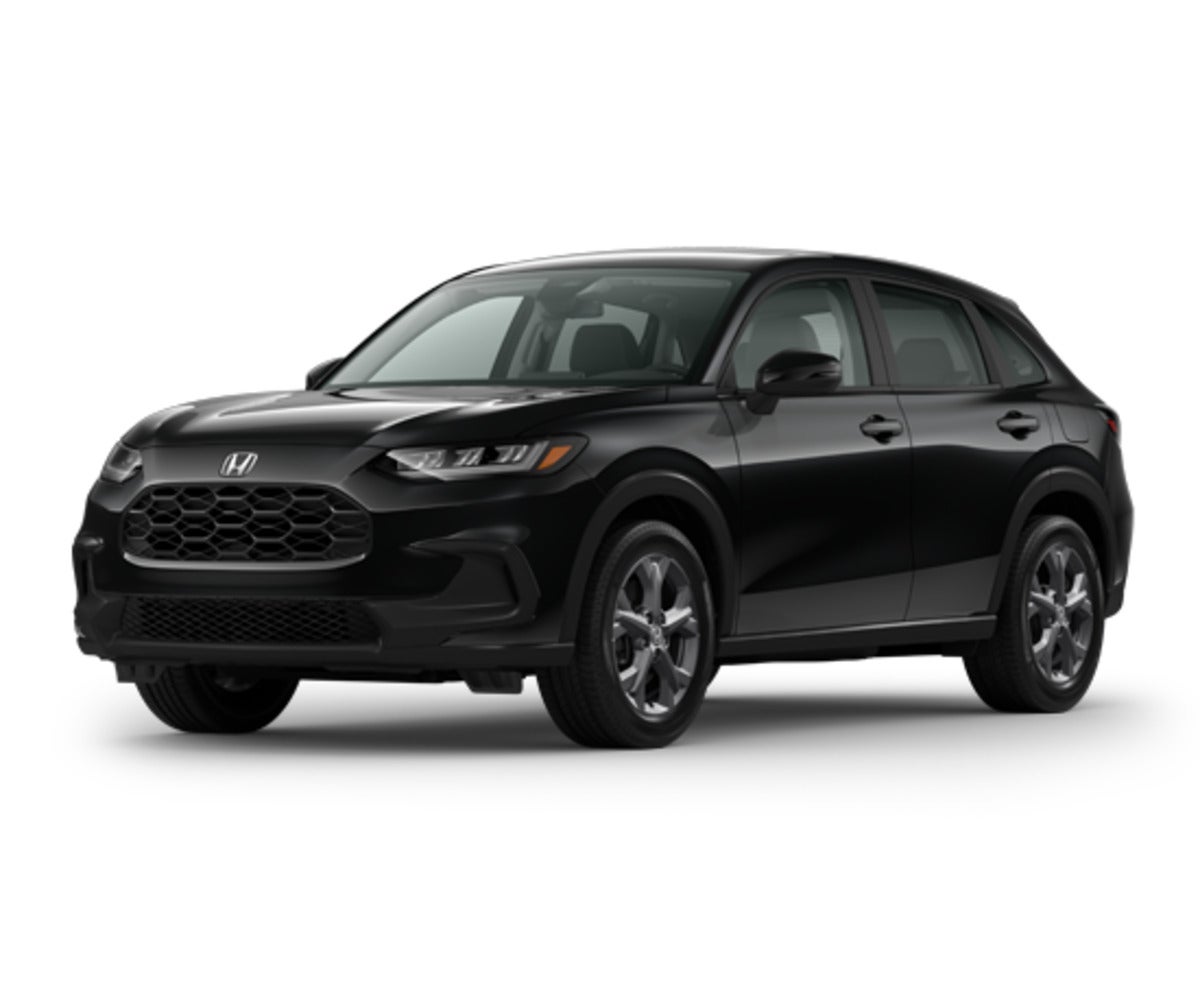
Turn Port Washington Traffic Into “Me Time” City commuting from Port Washington is tiring. Long lines at the Throgs Neck or Whitestone, slow spots on Northern Boulevard, crowded streets in Queens and Brooklyn; it all adds up. By the time you get home, you can feel like you have nothing left in the tank. A Honda HR-V can help change how that daily drive feels. This compact SUV is easy to live with on tight city streets, but still comfortable for the longer stretches across Long Island. Instead of white-knuckling every mile, you can turn that time into something calmer and more relaxed. We will look at how the HR-V’s cabin comfort, smart tech, city-friendly performance, and safety features can ease the stress of commuting around Port Washington and into the city, plus why it fits local, everyday life so well if you are searching for a Honda HR-V for sale in Port Washington. Calm, Comfortable Cabin for Rush-Hour Gridlock When traffic slows to a crawl on the Long Island Expressway or near a bridge, comfort matters. The HR-V is built to help your body and your mind feel better during those stop-and-go moments. Key comfort features that help during heavy traffic include: Supportive front seats that feel good during long waits at tolls and tunnels Available heated front seats for chilly mornings and late-night rides Available dual-zone automatic climate control so driver and front passenger can choose their own temperature Quiet also matters when the outside world feels loud. The HR-V is designed with sound insulation that helps cut down some of the noise from trucks, wind, and rough pavement. That makes it easier to enjoy a podcast, your favorite playlist, or just a bit of peace without constant outside distraction. Inside, space is used in a smart way so your things are not piled everywhere. The rear seats fold to open up room when you need to bring along: Work bags and laptops Gym gear and sneakers Kids’ backpacks, sports gear, and school projects When everything has a place, the cabin feels less chaotic. You can get in, sit down, and feel like you have a small personal spot to breathe before the day starts or after it ends. Smart Tech That Reduces Every Commute Hassle On a busy commute, the HR-V’s tech is there to make life a bit easier, not more distracting. Apple CarPlay and Android Auto let you bring your favorite apps onto the screen, so you can keep your phone in your pocket and your hands on the wheel. With these systems, you can: Use maps for real-time directions and traffic reroutes Make and receive calls with simple voice commands Control music and podcasts without scrolling on your phone The digital driver display keeps key info clear and right in front of you, so you are not hunting for details while moving through traffic on the Cross Island Parkway. The available wireless charging pad means you can drop your compatible phone down and let it charge without cords sliding all over the console. The central touchscreen has an easy-to-use layout, so switching between audio, maps, and settings feels natural. Less fumbling means less mental fatigue by the time you roll back into Port Washington. Remote start and available connected app features can be especially helpful on hot or cold days. You can start the HR-V from inside your home or office, so the cabin is more comfortable when you hop in. Stepping into a cool car after a steamy subway or a warm cabin after a windy walk to the garage can instantly lower your stress. City-Friendly Performance and Honda Sensing Confidence The HR-V is made for drivers who do a mix of city and suburban miles. Its engine and smooth CVT are built to sip fuel gently, which is helpful when you are making regular trips from Port Washington into Midtown or Brooklyn and back. Size and handling are big helpers too. The HR-V is compact enough to feel confident when: Merging into tight gaps on the highway Sliding into street parking near the LIRR station Working through narrow side streets and crowded city blocks You get the benefits of an SUV sitting position with the kind of nimble feel that suits city driving. Honda Sensing driver-assist features are designed to support you as you deal with heavy traffic and long days. Available systems include things like: Adaptive Cruise Control to help maintain a set following distance on the highway Lane Keeping Assist to help you stay centered within marked lanes Collision Mitigation Braking to help with braking support when a possible frontal impact is detected Traffic Jam Assist to help manage low-speed conditions when traffic slows down These features do not replace safe driving, but they can give you a little extra backup. That extra confidence can make your commute feel less tiring, especially at the end of a long shift or during late-night returns from the city. Why the Honda HR-V Fits Port Washington Life Life around Port Washington is more than just the drive into Manhattan. There are school runs, train drop-offs, grocery stops, and quick trips to parks and the waterfront. The HR-V fits right into that kind of schedule. If you split your travel between: LIRR rides into the city School pickups and after-school activities Weekend drives to trails, beaches, and local parks the HR-V’s flexible space and comfortable ride help the whole family. Available Real Time AWD can add peace of mind when the weather changes. Rain on Northern Boulevard, wet leaves on Shore Road, and light snow in the colder months can all make roads feel slick. AWD can help give you a more secure feeling in those conditions. Honda’s reputation for long-term durability and low maintenance needs helps make the HR-V a smart choice for households watching their monthly budgets. When you are balancing things like mortgage payments, tuition, and commuting costs, a compact SUV that is efficient, flexible, and built for everyday use fits in well. Finding a Honda HR-V for Sale in Port Washington If you are thinking about a Honda HR-V for sale in Port Washington, it can help to picture your real commute and daily routine. Different trims and features may suit different needs, like more comfort, extra tech, or AWD confidence for all-weather driving. A test drive is the best way to see how it feels on the roads you use most. Try some city-style stop-and-go, a stretch of highway, and a bit of parking in tighter spots around town. As you notice how the HR-V handles traffic, sound, and tight spaces, you can decide if it turns that daily drive into something closer to relaxing “me time” instead of just one more stressful task in your day. Drive Home Confidence With Your Next Honda HR-V If you are ready to upgrade your daily drive, explore our available Honda HR-V for sale in Port Washington and find the trim that fits your lifestyle. At North Shore Honda, we take time to walk you through features, pricing, and financing options so you can make a decision you feel good about. Reach out to our team with any questions or to set up a test drive using our contact page.

Honda

Late-Summer Honda AC and Cooling Prep for Long Island Drives

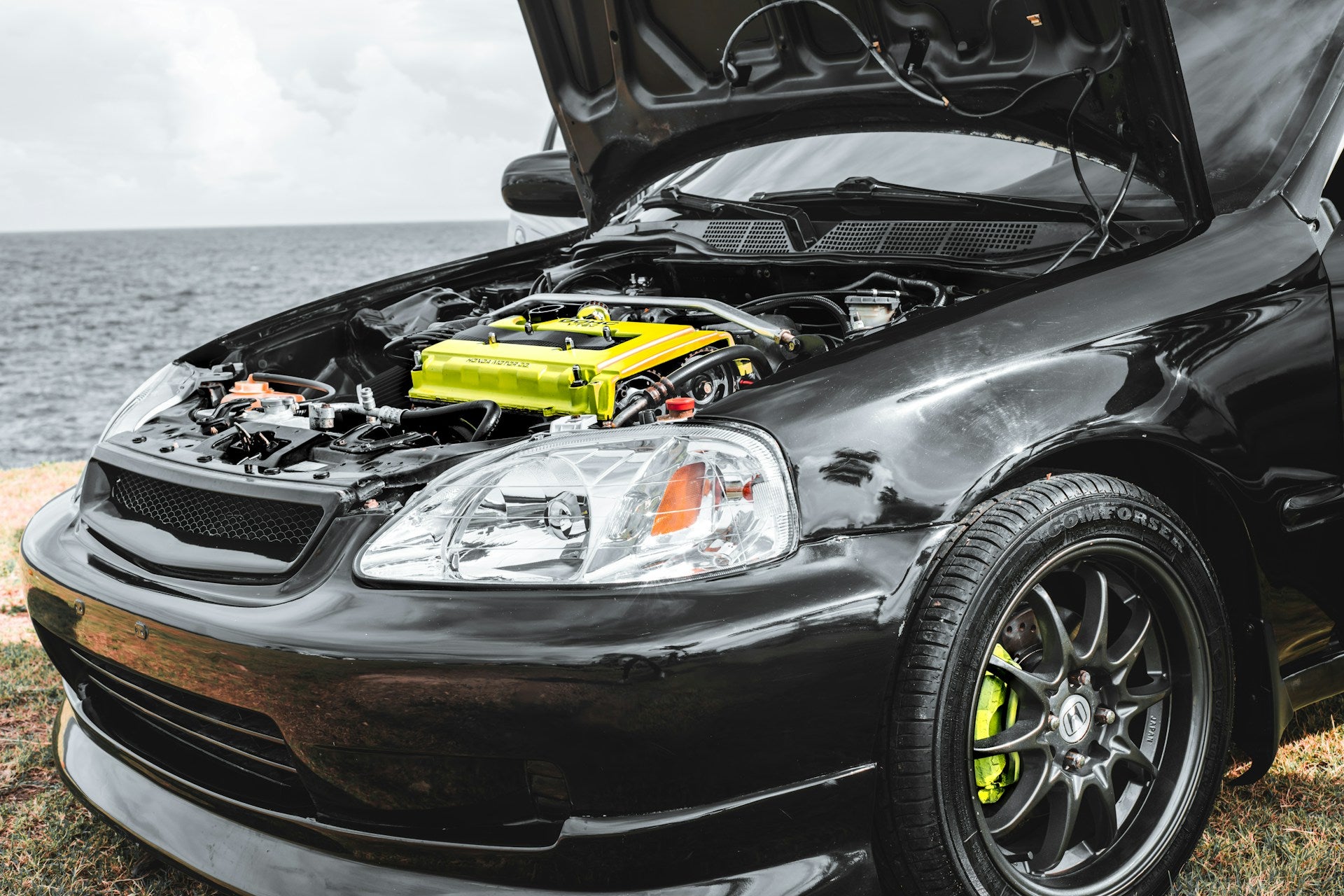
Keep Your Honda Cool for Late-Summer Long Island Drives Late-summer on Long Island can feel like a heat lamp over the roads. You get beach crowds, heavy traffic, and sticky humidity that makes every slow crawl on the LIE or Northern State feel twice as long. When your Honda’s AC and cooling system are not ready, those drives from Great Neck to Port Washington or up and down the North Shore can go from tiring to miserable very fast. By August and early September, your Honda has already worked hard through months of heat, salt air, and stop-and-go traffic. That is when weak AC and overheating are most likely to show up. In this guide, we will walk through what to watch for, what you can safely check at home, and when it makes more sense to let trained Honda technicians handle the work so your car stays cool, calm, and ready for late-summer and back-to-school driving. Why Late Summer Is Tough on Your Honda AC By the time late summer hits, your AC system has been running almost every day. On Long Island, that means high heat, heavy humidity, and salty air near the water. All of this wears on parts like the compressor, condenser, belts, and cabin air filter. Common AC problems that show up late in the season include: Low refrigerant that causes warm or “not quite cold” air Dirt and bugs stuck on the condenser in front of the radiator A clogged cabin air filter that cuts down airflow Belts that squeal or slip when the AC comes on When these issues build up, you might notice: Weak airflow even when the fan is set high Air that starts cool but turns warm at stoplights Fogged windows because the system is not drying the air well Musty or foul odors from the vents You might also hear strange noises when the AC kicks on, see water pooling under the dash instead of dripping safely under the car, or feel the cabin temperature going up and down for no clear reason. These are signs the system needs attention before it quits on a hot afternoon stuck in traffic. Taking care of AC performance now means you can enjoy late-summer beach runs, end-of-season trips, and those early morning school drop-offs without sweating through a slow, sticky commute. Cooling System Checks That Prevent Overheating Your AC keeps you comfortable, but your cooling system keeps your engine alive. They are different systems, and both work extra hard in late-summer traffic. The radiator, coolant, thermostat, water pump, and cooling fans all help move heat away from the engine, which is especially important when you are creeping along crowded North Shore roads with little airflow. Key cooling system checks that matter at this time of year include: Coolant level and condition in the reservoir Signs of leaks, rust, or corrosion around hoses and clamps Radiator and heater hoses that look cracked, swollen, or soft Radiator and cooling fans turning on when the engine warms up When something is wrong, your Honda will usually give you clues, such as: A temperature gauge that climbs higher than normal Steam or white vapor from under the hood A sweet smell from leaking coolant Colorful spots or puddles under the car where you park In these cases, it is safer to let professional technicians handle it. At a Honda service center near Great Neck and Port Washington, the cooling system can be pressure-tested, old coolant can be flushed out, and hidden leaks can be checked before they turn into roadside breakdowns during the last hot weeks of summer or when temperatures swing in early fall. Simple at-Home AC and Cooling Checks You Can Do There are a few quick checks you can safely do yourself that help you spot trouble early. They do not replace proper service, but they can alert you before a small issue becomes a big one. Inside the car, try this: Start the engine, turn the AC on max, and see how quickly the air turns cold Switch through all vent positions and fan speeds to confirm airflow everywhere Listen for rattles, squeals, or clicking noises when the AC is running Pay attention to any bad smells from the vents Under the hood, only check when the engine is cool: Look at the coolant level in the overflow reservoir and see if it sits between the marks Check hoses for damp spots, crusty buildup, or bulges near clamps Glance at the front grille and condenser area for leaves, plastic bags, or other debris blocking airflow It also helps to notice and remember patterns, like: Is the AC weaker at idle but fine on the highway? Does the temperature gauge ever go higher than it used to? Has your fuel economy dropped suddenly, which might hint at extra drag from a struggling AC or cooling system? If coolant keeps dropping, if you see visible leaks, or if the AC never feels truly cold, that is the point to stop DIY checks. Problems inside the system need proper tools, training, and the right parts to avoid damage and keep your Honda reliable. Why Choose North Shore Honda for End-of-Summer Service When you look for a Honda service center in Great Neck or the surrounding area, convenience and trust both matter. Our dealership in nearby Port Washington offers Honda-focused service, so your AC and cooling system are checked and repaired by technicians who work with Honda models all day, every day. Late summer is the perfect time for: AC performance checks and diagnostics Refrigerant service and leak testing Cabin air filter replacement for clean airflow Coolant flushes and refills Radiator, hose, and clamp inspections Multi-point checks to spot other issues before fall Because we work directly with Honda vehicles, we follow procedures designed specifically for models like the Civic, Accord, CR-V, Pilot, and others. That helps keep repairs in line with Honda guidelines, supports your warranty, and builds a solid service history that can help protect resale value later on. We also know drivers from Great Neck, Manhasset, and other North Shore communities are busy, especially when school and activities ramp back up. Our goal is to make late-summer service as simple and comfortable as possible, from flexible drop-off options to a place to relax while your Honda is being checked. Schedule Your Late-Summer Honda Checkup Today Waiting until the AC blows warm or the temperature gauge spikes in traffic often means more stress and sometimes a tow truck. Taking care of your Honda at the end of summer helps prevent those overheated drives home from the beach and those long, uncomfortable commutes when the weather is still sticky. A quick AC and cooling system review around late August or early September can keep your Honda running at the right temperature, keep your cabin cool on slow Long Island roads, and set you up for a smoother shift into back-to-school routines and cooler days ahead. With the right prep, your Honda is ready for the last heat waves, the first chilly mornings, and everything in between. Keep Your Honda Running Smoothly With Expert Care Stay ahead of maintenance and protect your investment by scheduling service with North Shore Honda. Our technicians follow factory guidelines so your vehicle gets exactly what it needs at the right time. Explore our Honda service center in Great Neck to see recommended services for your model, then reach out with any questions. If you are ready to book your next appointment or need personalized guidance, contact us today.

Honda

After-Summer Honda Service Priorities for Long Island Drivers

Keep Your Honda Road-Ready After a Long Island Summer Long Island summers are great for beach days at Jones Beach, late-night drives on Northern Boulevard, and long stretches of traffic on the LIE. All that stop-and-go driving, sand, heat, and idling can slowly wear on your Honda, even if it still feels fine. Late August is the perfect time to give your vehicle some attention so it stays ready for school runs, commutes, and weekend trips as routines pick up again. A focused after-summer check helps catch small problems before they grow into bigger ones. In this article, we will walk through smart fluid and filter checks, what to do for your tires and brakes, and how to prepare your lights, wipers, and safety systems for changing weather. If you live in places like Port Washington, Manhasset, Roslyn, or nearby North Shore towns, staying current on service can keep every drive smoother and safer. Beat the Heat Damage with Smart Fluid and Filter Checks Heat is hard on every fluid under the hood. Long days in traffic, quick trips around town, and holiday travel all put more stress on your engine and its systems. Engine oil and filter are a great place to start. High temperatures and idling can break down oil faster, which can lead to: Rougher engine performance More engine noise than usual Reduced protection for moving parts If you took extra trips this summer or sat in a lot of traffic, a late-summer oil and filter change is a smart move, even if you are not at your usual mileage interval yet. Coolant also works overtime when the weather is hot. It helps keep your engine at the right temperature. After a busy summer, a technician should: Check coolant level and condition Look for signs of leaks or stains around hoses and the radiator Make sure the thermostat and radiator are working properly If you noticed the temperature gauge creeping higher, strange smells, or steam, those are signs the cooling system needs attention. Other key fluids to have checked include: Transmission fluid for proper level, color, and signs of burning or contamination Brake fluid to help keep braking firm and responsive Power steering fluid for smooth steering feel without whining noises Summer also fills your air filters with dust, pollen, and sand. Cabin and engine air filters can clog and cause: Reduced airflow from the vents Musty or dusty smells in the cabin Lower fuel economy and strained engine breathing Swapping filters at the end of summer can bring fresher air inside and help your engine run more efficiently. Tires, Brakes, and Alignment for Back-to-School Traffic Your tires and brakes carry a lot of weight during summer. Hot pavement, heavy vacation loads, and long drives can all speed up wear. Late August is a smart time to have tires checked for: Tread depth and even wear across the tire Cracks, bulges, or damage from potholes or road debris Proper air pressure, since heat can cause pressure to rise or swing Rotating your tires before fall helps them wear more evenly, which can extend tire life and keep handling more stable when the roads get wet. Brakes work hard in stop-and-go beach-area traffic and city driving. A brake inspection should include: Brake pads, to see how much material is left Rotors, to check for grooves, scoring, or warping Brake lines and hardware for leaks or rust Warning signs that should never be ignored include squealing, grinding, vibration in the pedal, or longer stopping distances. Catching brake issues now can help keep school drop-offs and rush hour drives less stressful. Summer roads can also be rough. Potholes, construction zones, and bumpy roads near beaches can knock your wheels out of alignment. When alignment is off, you might notice: Your Honda pulling to one side A crooked steering wheel when driving straight Uneven or rapid tire wear An alignment and suspension check can bring back a smoother, more stable ride, which is very helpful when school buses return, days get shorter, and traffic patterns change across Long Island. Restore Visibility and Safety Systems Before Fall Storms Good visibility is one of the easiest ways to stay safe, especially as late-summer storms and shorter days return. Wiper blades often dry out and crack under the summer sun. If your wipers leave streaks, skip spots, or chatter across the windshield, they are probably due for replacement. It also helps to have the windshield checked for chips or cracks that could spread. A clear windshield and fresh washer fluid can make a big difference in heavy rain. Lights and signals are just as important. A quick check should cover: Headlights on low and high beam Brake lights and turn signals Reverse lights and any fog lights your Honda may have Cleaning cloudy lenses and replacing dim or burned-out bulbs helps other drivers see you sooner and helps you see the road better when it is dark or raining. If your Honda has driver-assist features, such as adaptive cruise control, lane-keeping assist, or collision mitigation braking, summer wear can affect them too. Any windshield work, small fender benders, or even certain suspension changes may require those systems to be inspected or calibrated so they keep working as designed. Heat can also weaken your battery over time, even if it still seems to start fine. Before cooler weather hits, a professional should: Test battery health and charging ability Inspect battery terminals for corrosion Check the alternator and charging system That way, you lower the chance of a surprise no-start on a chilly morning before work or school. Choose the Right Honda Service Team on Long Island When it is time to service your Honda after summer, the team you choose matters. A dealership service department that works with Honda vehicles every day knows the typical wear patterns, software updates, and maintenance needs for your specific model. Compared to a general repair shop or a basic Honda service center in Hicksville, this focused experience can help lead to more accurate checks and repairs using parts made to fit your vehicle. Location also plays a big role in how easy it is to stay on top of maintenance. For drivers near Port Washington, Great Neck, Glen Cove, Manhasset, or Roslyn, a nearby dealership service center can make routine visits feel less like a chore and more like a quick stop in your normal day. During an after-summer service visit, you should expect: A clear explanation of what will be checked A multipoint inspection that covers fluids, brakes, tires, and key systems Honest recommendations that prioritize safety and reliability Seasonal service specials and maintenance packages can help make it easier to keep up with regular care. By taking care of fluids, filters, tires, brakes, and visibility now, you reduce the chances of surprise breakdowns or bigger repair needs later in the year. A well-planned after-summer service helps protect your Honda, supports your family’s safety, and keeps every drive around Long Island a little more relaxed, no matter where the next season takes you. Keep Your Honda Running Smoothly With Expert Local Service If you are ready to stay ahead of maintenance and avoid surprise repairs, our Honda service center in Hicksville is here to help you plan every visit with confidence. At North Shore Honda, we follow Honda factory guidelines and use genuine parts so your vehicle keeps performing the way it should. Schedule your next service online or reach out with any questions through our contact page. We look forward to keeping your Honda in top shape for every mile ahead.

EV Delivery

EV Delivery Day Checklist in Port Washington: Verify Before You Drive Off

Make Your EV Delivery Day Easy and Stress-Free Picking up a new EV is exciting. You get quiet power, new tech, and a whole new way to think about driving. It can also feel like a lot to learn in a short visit at the dealership, especially if this is your first EV. A simple checklist keeps that excitement from turning into stress. When you know exactly what to ask and what to double-check, you leave feeling ready, not rushed. We will walk through the key things to go over at a Honda EV dealership in Port Washington, from charging and apps to cables, software, and tire protection, so you are set up from day one. Confirm Your Charging Setup Before Leaving the Lot Before you head off, make sure you understand how you will charge at home and around town. A few minutes here can save a lot of confusion later. Start with your home setup: Ask about Level 1 charging, which uses a standard household outlet, and how long it usually takes. Talk about Level 2 charging and what kind of outlet or wall unit it needs. Share what outlets you currently have in your garage or driveway so you know if you should have an electrician visit. Next, go over public charging. Your EV specialist can show you: How to spot nearby chargers around Port Washington and the rest of Long Island. Where faster chargers are located along your normal commute or weekend routes. Any recommended networks that work well with your Honda EV. Before you leave, make a short-term plan. For your first week: Pick one or two public charging spots you know you can rely on. Understand roughly how long a typical charge will take for your model. Decide when you will do your first full or near-full charge so you are not guessing on range. Pair Your Apps and Learn Your EV Tech Features Your phone and your EV work best when they are set up together before you pull out of the lot. Take your time with this part. Ask your specialist to help set up the official Honda app on your phone. While you are still at the dealership, check that: Remote lock and unlock work. Climate preconditioning turns the A/C or heat on while the car is still plugged in. You can see charge status and location for your vehicle in the app. Then link any recommended charging and navigation accounts. Make sure: Your payment methods are added and ready. Your in-vehicle navigation can send you to nearby chargers without extra steps. You know which apps you actually need for your daily driving and which ones are just optional. Spend a few minutes customizing your driving settings: Ask how to switch drive modes, like eco or sport. Try out different levels of regenerative braking to see what feels natural. Save your seat, mirror, and climate preferences in a driver profile. These small tweaks can help your range and make the car feel like yours from the first drive. Double Check Cables, Accessories, and Safety Gear Before you leave, open the trunk, storage areas, and charging port together with your specialist. You want to know exactly what you have and where it lives. Start with charging gear: Confirm that the standard charge cable is included. Ask about any adapters your model may come with. Learn where the cable is meant to be stored so it does not roll around. Practice plugging it into the car and into a normal outlet or demo charger. Then look at tires and emergency tools: Check for a tire repair kit or spare, depending on your specific model. Find out if you have an air compressor and how it works. Locate the wheel lock key if your car has locking lug nuts. Review any EV-specific instructions for roadside assistance. Finally, talk about accessories that fit your life on Long Island: All-weather floor mats for rain, sand, and slush. Cargo liners if you haul beach gear, sports equipment, or home projects. Trunk organizers if you like to keep charging cables and smaller items in one place. Update Software and Protect Your Tires and Wheels EVs are as much about software as they are about batteries. Take a moment to confirm your vehicle is up to date before you roll out. Ask your Honda EV specialist to check: The main vehicle software version. Infotainment and audio updates. Driver-assist system updates and any notes you should know. Battery management software that can affect range and charging behavior. Then learn how future updates will work: How the car connects to Wi-Fi at home. What kind of alerts you will see when an update is ready. Whether updates can run in the background while the car is parked, and how long they usually take. This is also a good time to talk about tire and wheel protection. EVs are often heavier and have instant torque, so tires and wheels can see more strain. Ask about: Coverage that helps with pothole damage that is common on local roads. Options for curb rash on wheels from tight parking spots. How flat tire or blowout coverage works when you are far from home. Schedule Smart Home Charging for Savings and Battery Health Once your charging and apps are ready, set up a smart routine so you are not thinking about it every night. You want your EV to fit your life, not the other way around. With help from your specialist, set a default home charging schedule using the in-car menu or app: Start charging during typical off-peak hours if your utility offers lower rates at night. Set an automatic charge limit for daily use, like stopping at around 80 to 90 percent. Add a separate setting for trips when you want a full charge. Talk through daily charging best practices: Why many owners avoid charging to 100 percent every single day. When it makes sense to top off more often, like if you have a long commute. How often you should let the car run down a bit lower between charges. Finally, match your charging plan to your routine: When you usually arrive home and leave in the morning. Any regular midweek activities that change your mileage. Upcoming road trips or holiday weekends where you will want extra range and maybe some public fast charging along the route. Drive Home Confident From Your Port Washington Honda EV Dealership When you take a calm, step-by-step approach on delivery day, you leave the lot feeling ready for daily EV life, not just excited for the first drive home. Bringing a checklist to your Honda EV dealership in Port Washington, asking questions, and moving slowly through each feature gives you real confidence. With your charging plan in place, apps paired, cables and tools confirmed, software updated, and tire protection discussed, you are set up for smooth, low-stress driving from the very first week. That is how we want every new EV owner at North Shore Honda to start their electric experience. Take the Next Step Toward Your Electric Future If you are ready to explore your options for going electric, our team at North Shore Honda is here to help you find the right EV for your lifestyle and budget. Visit our Honda EV dealership in Port Washington to compare models, learn about charging, and review financing or leasing choices with a specialist. Have questions before you stop by? You can contact us to schedule a test drive or get personalized guidance on your next electric vehicle.

Sell a Car

Locally Smart Ways to Sell Your Car in Hempstead

Smarter Ways to Sell Your Car Close to Home Selling a car is a big decision, and it gets even more important when you are trying to make your money work harder. Many drivers around Hempstead start searching “sell my car in Hempstead” as they think about school schedules, tighter budgets, and what they want to drive next. Whether you are clearing space in the driveway or planning an upgrade, how and where you sell your car can make a real difference. Staying close to home can make the whole process simpler. Local buyers understand local roads, traffic, and weather, so it is easier to explain how your car has been used. It also means shorter drives for test drives or appraisals, faster paperwork, and the chance to sell and shop for your next vehicle in the same area. That is where a nearby Long Island dealership can help. A store that works every day with Nassau County drivers understands North Shore commutes, school runs, and seasonal demand. That local knowledge can help you line up the right timing and get a fair number for your current ride while you plan what comes next. Know What Your Car Is Worth in Hempstead’s Market Your car does not have the same value everywhere. In Hempstead and the rest of Nassau County, certain features matter a lot because of how people drive and live. Local demand can shift based on things like: Commuter needs for reliable gas mileage Student drivers who want smaller, easy-to-park cars Weather, including rain, snow, and salty roads near the water Fuel prices that make efficient cars more attractive Before you even type “sell my car in Hempstead” into a search bar, it helps to collect all the key details about your vehicle. You will want: VIN (Vehicle Identification Number) Current mileage Service and maintenance records Any accident or damage history A list of any upgrades or modifications Online tools that ask for your VIN and mileage can give you a fast ballpark estimate. These national tools are quick, but they do not always see what is happening on local roads. They often miss how much shoppers in one area are willing to pay for certain body styles, colors, or features. An in-person appraisal at a nearby dealership can be more tuned to real life. Local appraisers see what actually sells on their lot, what sits, and what buyers ask for every day. That experience often leads to a number that fits your car’s real condition and the current demand in Hempstead and surrounding towns. Prep Your Car so It Stands Out This Season Condition plays a big role in value. Cars that look clean, feel solid, and show good care tend to bring better offers. A little preparation before you sell can make your car stand out from others on the market. Helpful prep steps include: Deep cleaning the interior, especially after beach trips or messy commutes Washing and waxing the exterior so the paint looks fresh Fixing small cosmetic issues like cloudy headlights or minor scuffs Having warning lights checked by a professional service team Service records matter as much as appearance. When a buyer or appraiser can see regular oil changes, tire rotations, and factory-recommended maintenance, they gain confidence that the car has been cared for. A recent multi-point inspection from a factory-trained service department can also give you a simple list of what is in good shape and what might need attention soon. If you plan to list your car online, good photos also help. Use daylight, clean backgrounds, and show key features that matter as the weather cools down, like: All-season or winter-ready tires Remote start systems Heated seats and mirrors Strong air conditioning and defrost controls These comfort and safety features are often top of mind for drivers who want to be ready before cold or wet weather hits. Comparing Your Selling Options Around Hempstead There is more than one way to sell a car near Hempstead, and each path has trade-offs. The main options most drivers consider are: Private sale to another individual Online instant-offer and car-buying sites Selling or trading in at a local dealership A private sale may bring a higher price on paper, but it usually takes more time. You handle the listing, photos, calls, texts, test drives, and paperwork. You also need to think about safety when meeting strangers and handling payments. Online instant-offer tools are quick and can be done from home, yet they may rely on broad averages. The final offer can sometimes change after a closer inspection, especially if the condition is different from what was entered. Selling to or trading in at a local dealership is often the simplest choice for drivers who value time and peace of mind. A dealership can: Handle title transfer and state paperwork Apply your car’s value directly toward another vehicle if you choose Help with loan or lease payoffs Provide a safe, public place for the whole transaction When you trade in while buying another car, there can also be possible tax benefits, depending on local rules. Many drivers like that they can finish both the sale and purchase in one visit instead of juggling separate steps. How to Sell to a Local Dealer with Less Hassle Selling directly to a nearby dealership is usually a clear, step-by-step process. It does not require you to be a car expert. You just need to come prepared and know what to expect. A typical dealer sale looks like this: 1. Set up a time for an appraisal so the team can look over your car. 2. Bring your documents and keys. 3. The dealership inspects your vehicle and reviews its history. 4. You receive an offer to sell or trade in. 5. If you accept, you complete the paperwork and decide whether to take a check or apply the value to another car. To keep things smooth and to support a stronger offer, bring: Title or lease information Registration Driver’s license All keys and remotes Loan payoff details, if you still owe money Service records and inspection reports A dealership that works every day with Honda models and other brands can usually provide same-day appraisals, simple explanations of the offer, and help with loan or lease questions. If you are trading up to a different vehicle, the finance team can talk through options that fit your budget while using the value of your current car. Turn “Sell My Car in Hempstead” Into a Smart Next Move Selling your car near Hempstead does not have to be stressful. When you understand your car’s local value, take a little time to prep it, and compare your selling choices, you can pick the path that fits your schedule, comfort level, and budget. For many drivers, selling or trading at a trusted local dealership turns a simple “sell my car in Hempstead” search into a chance to upgrade to something safer, more efficient, or more family-friendly before the next season of school runs, work commutes, and weekend trips. North Shore Honda in Port Washington works with drivers from across the North Shore and Nassau County, offering appraisals, trade-in evaluations, and guidance as you choose your next new or pre-owned Honda for life on Long Island. Get More For Your Car With a Hassle-Free Appraisal If you are ready to explore your options and want a straightforward way to sell my car in Hempstead, we are here to help at North Shore Honda. Our team will walk you through every step, from appraisal to payment, so you know exactly what to expect. Start online today or contact us to schedule a time that works best for you.

Honda

Maintenance Habits That Quietly Devalue Your Honda Trade-In Value

Stop Losing Value Before You Ever Visit the Dealership Small habits in how you care for your Honda can quietly chip away at its value long before you pull into a trade-in lane in Great Neck. Appraisers do not just glance at the odometer. They look at how the car has been treated, inside and out, from the day it left the showroom. Many Long Island drivers are surprised when two cars with similar mileage get very different offers. The difference often comes down to service history, visible wear, and how many small issues the dealership will need to fix before resale. The good news is that most of these problems are preventable. We want to walk through the common maintenance habits that lower your trade value, and the simple changes that can help protect your Honda before late-summer trade-in season or any time you are ready for something new. Skipping Routine Oil Changes Costs You Twice Stretching oil changes too far might feel harmless, especially if the car still seems to run fine. But inside your engine, old oil can break down and turn into sludge, which can lead to extra wear that trained appraisers spot quickly. Here is how skipped or late oil changes hurt your Honda trade-in in Great Neck: Dark, sludgy oil and dirty filters tell appraisers the engine may have worked harder than it should Rough idle, noisy start-ups, or warning lights can hint at long-term wear Burned or varnished oil around the cap area can signal heat and stress inside the engine Service records matter as much as the actual oil in the engine. When there is a clear record of routine oil changes that match Honda recommendations, buyers feel more confident and appraisers tend to feel better about the long-term health of the car. To keep your history clean and simple: Keep every service receipt, even for quick oil changes Ask your service center for printouts of completed work Use digital records when possible, so your full history can be pulled up in one place Having oil changes done at a Honda-focused service center in Port Washington or near Great Neck helps show that your car was cared for by people who know the brand inside and out. Ignoring Tires, Brakes, and Alignment Red Flags Your tires and brakes are some of the first things an appraiser will look at, because they are tied directly to safety. If they see problems here, they expect more issues to follow. Common red flags that lower trade-in offers include: Tires worn almost to the wear bars Uneven tire wear on the inside or outside edges Pulsating or shaky brakes when stopping A steering wheel that pulls to one side on a straight road Uneven tire wear is a clue that something bigger might be going on. It can point to skipped rotations, poor alignment, or possible suspension concerns. All of that adds up to more time and parts before the car can be sold again. After long summer drives, hot pavement and potholes around Long Island can be rough on your suspension and tires. A quick check of tread depth, brake feel, and alignment before you head in for a trade can prevent your offer from dropping over issues that could have been caught early. Overlooking Fluids, Filters, and Small Fixes It is easy to focus on big jobs and forget about the smaller items, but appraisers notice patterns. Neglected fluids or filters suggest the car may have missed other care as well. Key fluids that should not be ignored include: Coolant Transmission fluid Brake fluid Power steering fluid, if equipped Low or dirty fluids can raise questions about internal wear and future repairs. The same goes for clogged engine air filters or cabin air filters, which can hint that the car has not seen regular maintenance visits. Small, simple issues also send a message: Check engine lights or other warning lights left on Cracked windshields or chipped glass Headlights or taillights that do not work Worn wiper blades that streak badly Noisy belts or obvious squeaks and rattles Each one on its own might not seem like a big deal, but together they create a list of reconditioning tasks the dealership will need to handle. Fixing what you reasonably can before your appraisal, especially with Honda-certified parts and service, helps show that the car has been cared for, not just driven. Cosmetic Neglect That Signals Bigger Problems First impressions matter. When an appraiser opens the door and gets hit with a strong smell or sees a dirty interior, it shapes how they view the whole car. Interior issues that quickly lower confidence include: Heavy pet hair on seats and carpets Strong smoke, food, or mildew odors Stained or torn upholstery Sticky dashboards or center consoles Trash or clutter left inside On the outside, a tired-looking car is harder to sell, even if it runs well. Common value-killers include: Faded or dull paint from sun exposure Salt or sand buildup from winters that was never washed off Door dings and small dents that stand out in the light Curb rash or scratched wheels Cloudy, yellowed headlights A basic cleaning can help, but deeper detailing often makes a bigger difference. Interior shampooing, odor removal, and pet hair cleanup can change how your car feels within minutes. On the exterior, paintless dent repair and headlight restoration are often quick ways to bring back curb appeal before your Honda trade-in in Great Neck. Misusing Aftermarket Mods and DIY Repairs Not every upgrade adds value. Some actually make your car harder to resell, especially at a mainstream Honda dealership that works with a wide range of drivers. Aggressive aftermarket changes often hurt trade-in offers, such as: Extra-loud exhaust systems Suspension drops or extreme lift kits Oversized wheels with very low-profile tires Very dark window tints that may not meet local rules Non-factory lighting that looks out of place DIY repairs can also raise red flags. If parts look mismatched, wiring looks messy, or panels do not line up quite right, appraisers may worry about hidden problems. They need to be confident the car is safe and ready for the next owner. On the other hand, some add-ons are usually more buyer-friendly, like: All-weather floor mats that protect the carpet Remote starters installed properly Honda OEM accessories that match the model If your car has heavy mods, it can be worth restoring it closer to stock form before bringing it to North Shore Honda. A clean, factory-style setup usually appeals to more buyers and makes it easier to get a stronger offer. Turn Better Habits Into a Stronger Trade Offer The habits that hurt your Honda trade-in value are rarely dramatic. They are quiet things, like skipping oil changes, ignoring brake noises, letting small fixes pile up, or living with a dirty interior a bit too long. Over time, they send a clear message about how the car has been treated. By changing a few routines now, you protect yourself later. Keep up with regular services, stay ahead of tire and brake issues, handle small warning lights, and give your Honda basic interior and exterior care. When you are ready for a trade, a quick multi-point inspection with a trusted team in Port Washington or nearby communities can catch any last-minute problems before an appraiser does. Drivers in Port Washington, Manhasset, Great Neck, and across the North Shore who follow these habits are often in a stronger position when they bring their Honda to North Shore Honda for an appraisal and talk through the best way to move into their next vehicle. Unlock More Value From Your Next Honda Upgrade If you are ready to move into a newer model, our team can help you get the most from your current vehicle with a streamlined Honda trade-in in Great Neck. At North Shore Honda, we provide clear, upfront information so you can feel confident about every step of the process. Get started online or reach out so we can walk you through your options and answer any questions. If you prefer to talk directly with our staff, simply contact us to discuss your trade-in and next vehicle.

Honda

Neighborhood Honda Service Habits Around Glen Head

Neighborhood Habits That Keep Glen Head Hondas Running Longer Daily life around Glen Head moves quickly. There are early-morning runs to the train, school drop-offs, drives along Northern Boulevard, and weekend trips to the beach or out to see family. All of that depends on one simple thing: your Honda starting up and doing its job every single time. The drivers who enjoy that kind of quiet confidence are usually not the ones waiting for a warning light or a strange noise. They build small service habits into their routine, the same way they plan coffee runs or kids’ activities. These are not big, dramatic repairs, just steady care that keeps problems from growing. As a Long Island Honda dealership in nearby Port Washington, we see how these habits pay off for Glen Head drivers. With the right routine, you can turn regular maintenance into long-term peace of mind instead of random stress on the side of the road. Everyday Driving Patterns That Shape Your Service Needs How and where you drive in Glen Head has a big effect on what your Honda needs. A car that lives on quiet side streets ages differently than one that deals with traffic and tight schedules all week. Common local driving patterns include things like: Short trips to the train station or school Stop-and-go traffic on Northern Boulevard and nearby main roads Weekend rides to parks, beaches, and shopping areas Occasional longer drives across Long Island to see friends and family Those short trips can be tougher on your car than you might think. The engine and fluids may not warm up fully, which can affect oil life. Brakes get used more in traffic, and that steady tapping of the pedal adds wear over time. Frequent stops and starts also work your battery harder than smooth highway driving. Seasonal weather plays a part too. Humid summers can stress the AC system and cooling system. In colder months, thickened fluids, cold starts, and salty roads can be rough on brakes, tires, and the underbody. Instead of trusting only the generic mileage numbers in a manual, it helps to look at your real life: How many days a week do you drive in traffic? Are most of your trips under 15 minutes? Do you often carry kids, cargo, or work gear? Do you leave your Honda parked outside year-round? Answering simple questions like these makes it easier to build a maintenance plan that fits your actual driving, not someone else’s. Seasonal Honda Service Habits Glen Head Drivers Rely On Long Island seasons change, and so do the small things your Honda needs to stay ready. You do not have to be an expert. You just need a simple rhythm you return to a few times a year. As summer starts to wind down and school routines pick back up, many Glen Head drivers focus on: AC system checks, so the cabin stays cool and clear Coolant inspection, to keep the engine temperature steady Tire tread checks after long drives and hot pavement Alignment checks, especially after months of bumps and potholes Looking ahead to cooler, wetter weather, it also helps to plan for fall and early winter. This usually means paying attention to: Battery testing, so cold mornings do not bring surprises Wiper and washer checks, for darker, rainy commutes Brake inspections, for wet leaves and slippery roads Undercarriage checks, to prepare for future salt and slush Turning these into a handy seasonal checklist takes pressure off your memory. Instead of waiting for a warning sign, you already know what you will ask to have checked when the weather starts to change. Your Honda feels ready for school drop-offs, weekend games, and holiday visits without last-minute panic. Why a Local Honda Service Center in Glen Head Matters Having a Honda service center close to Glen Head makes a real difference when life is busy. When the drive to service is quick and easy, it fits better between work, school, and errands, so you are more likely to keep up with visits. There are also benefits that come from being cared for by people who know Long Island roads. Technicians who see the same mix of traffic, side streets, and seasonal weather day after day know what tends to wear first. They recognize common patterns with brakes, suspension, and other parts that face the same local conditions. A Honda-focused service center also understands your specific model and its technology. That means: Factory-trained technicians who know Honda systems Genuine Honda parts that fit the way they should Access to the right service information for your model Quick oil change shops may seem convenient for a single visit, but they often do not look at the whole vehicle. A local Honda service team can keep track of your car’s history and remind you what is coming up next, so you are never guessing what your Honda might need. Building a Service Routine with North Shore Honda For Glen Head drivers, North Shore Honda in Port Washington is close enough to feel like part of the neighborhood. Many of the Hondas we see every day travel the same roads and face the same weather you do. A simple, realistic maintenance rhythm for local driving often includes: Regular oil and filter changes based on your driving style Tire rotations to keep wear even and help with traction Brake checks, especially if you deal with traffic and hills Multi-point inspections that look at fluids, belts, and hoses Manufacturer-recommended services at key mileage points When you bring your Honda in, our team can help you match these services to the way you drive, not just what a chart says. We can look at your mileage, your commute, and your plans for the next season, then suggest a schedule that fits your life. To keep visits as simple as possible, we offer helpful support such as: Online service scheduling options Service specials that rotate over time Convenience options like shuttle or loaner support in some cases These small touches make it easier to turn “I really should get that checked” into regular, low-stress visits that keep your Honda feeling solid and familiar. Turn Local Service Habits Into Long-Term Honda Confidence The Honda owners around Glen Head who feel calm when they twist the key or push the start button usually are not lucky. They have built small, steady service habits around their daily lives and the seasons, so their car is rarely caught off guard. A smart next step is to look at your own history. When was your last oil change, brake check, or tire rotation? Are you heading into a new season with any warning lights on, odd noises, or overdue services? Once you know where you stand, it is much easier to set up a simple plan that fits your commute, errands, and family trips. We are here at North Shore Honda to help Glen Head and nearby drivers turn local service habits into long-term confidence, one visit at a time. Keep Your Honda Running Smoothly With Expert Care Trust North Shore Honda to give your vehicle the attentive maintenance it deserves so you can drive with confidence every day. Explore our Honda service center in Glen Head to find the services and maintenance schedule that fit your car best. If you have questions or want to schedule an appointment, you can easily contact us and our team will be ready to help.

Contact Us

Fill out this form below and we'll contact you shortly
*Required Fields