
Blog

Your Honda Civic Test Drive Checklist

Your Honda Civic Test Drive Checklist
THE SHORT ANSWER
Plan to spend 30 to 45 minutes behind the wheel. Set up the seat and mirrors before you move, and drive a route that includes your real commute, a highway stretch and a tight parking lot. Along the way, test the comfort, visibility, tech and driver-assist features you'll live with every day, then drive one other trim or body style to compare.

Wondering what you should actually check on a Honda Civic test drive, beyond a quick lap around the block? A good drive comes down to a short checklist: set the car up properly, drive the roads you really use, and pay attention to a few specific things. Here's the one we'd hand a friend shopping with us at North Shore Honda in Glen Head, NY, ordered from the basics to the tip most people skip.

$24,695
Starting MSRP
41 mpg
EPA highway
14.8 cu ft
Cargo space
2026 Honda Civic, from its published specifications.

What should I do before the day of the test drive?

Start by picking one or two Civics you're curious about, then book a test drive so the car is ready, clean and fueled when you arrive. Booking ahead also means someone can set aside real time for you rather than squeezing you in between appointments.

Bring a few things that make the drive more useful:

  • Your driver's license and proof of insurance
  • Your phone and the cable you normally use
  • Anyone who regularly rides with you, especially a tall passenger
  • A child seat, if you use one
  • A short list of your must-haves and deal-breakers

That last item matters more than it sounds. Write down what bugs you about your current car, whether that's road noise, a hard-to-see blind spot or a cramped back seat. Those notes give you a personal scorecard, so you're judging the Civic against your own life instead of a brochure.

North Shore Honda is family-owned and operated, and its philosophy is fair, easy, honest and sincere. In practice, that means you can ask for a longer drive or a second car without feeling like you're imposing.

What should I check before I even start the engine?

Take five unhurried minutes in the driver's seat before you pull out. Adjust the seat height, distance and backrest, then set the steering wheel and all three mirrors. A test drive feels very different when your driving position is right, and a car that never gets comfortable after five minutes of adjusting is telling you something.

Next, check your sightlines. Look over your shoulder at both rear corners, glance through the back window and notice how much of the hood you can see. Low, sleek cars like the Civic can feel different here from a crossover or an older sedan, so make sure you're at ease.

Then do your tech setup while you're still parked. Pair your phone over Bluetooth, plug in for smartphone mirroring if your trim offers it, and try one voice command. Set a destination so you aren't figuring out the screen at a stoplight.

Finally, sit in the back seat behind your own driving position. Knee room, headroom and how easily you climb in and out are hard to judge from the front, and your passengers will notice right away.

Where should I drive during a Civic test drive?

Skip the quick loop around the dealership. A route that shows you how the car behaves needs a mix of road types, and around Glen Head you can find most of them within a few miles.

Build your route around these

  • Stop-and-go local streets, where you'll notice throttle response and brake feel
  • A stretch of Northern Boulevard or Glen Cove Road with traffic lights and lane changes
  • A highway on-ramp, ideally onto the Long Island Expressway, to feel a real merge
  • Some rough or patched pavement to judge ride comfort and noise
  • A busy parking lot to test turning, backing up and camera views

Make it match your week

If your commute runs down a particular road, ask to drive part of it. You already know how your current car feels there, so the comparison will be instant and honest.

Tell your salesperson what you'd like to cover before you leave. That way the route gets planned together, and you won't end up turning back just before the stretch you cared about most.

What should I pay attention to while I'm driving?

Focus on how the car responds to you, one area at a time. Trying to notice everything at once usually means you notice nothing.

Acceleration comes first. Most Civics use a continuously variable transmission, which delivers power smoothly rather than through noticeable gear shifts. Pay attention to whether that feels natural to you when you pull away from a light and when you merge. Sportier versions offer a manual, so if you enjoy shifting yourself, ask about that too.

On braking, check that the pedal feels predictable and that you can stop smoothly without a lurch. Through corners, the steering should feel steady and the car should go where you point it without much correction.

Noise and comfort are easy to overlook. Turn the radio off for part of the drive and listen to the tires, wind and engine at highway speed. Ride quality over bumps matters most if your roads are rough, so notice whether a pothole is a dull thud or a sharp jolt.

Say your impressions out loud as you go. You'll remember them better, and you can ask questions on the spot.

How do I test the tech and safety features?

Modern Civics come with a suite of Honda driver-assist features, and the details vary by trim and model year. Ask which ones are on the car you're driving, then try them in the right setting instead of just reading about them.

On the highway, try adaptive cruise control and get a feel for how it keeps a gap to the car ahead. If lane-keeping assist is available, notice how it nudges the steering. Some drivers love it, and others prefer it set lighter, so learn how to adjust or switch it off before you decide how you feel.

Back in town, use the rearview camera while parking and see how clear the image is in the day's light. If the car has blind-spot information, change lanes and watch for the alert.

Give the infotainment screen a real workout too:

  • Make a hands-free call
  • Ask for directions with your voice
  • Switch music sources
  • Find the climate controls without looking for long

Physical knobs and buttons you can reach easily make a big difference over years of ownership.

Should I test drive more than one trim or body style?

Yes, if you can. Driving two Civics back to back is the quickest way to learn what actually matters to you, because differences that sound minor on paper often turn out to be obvious behind the wheel.

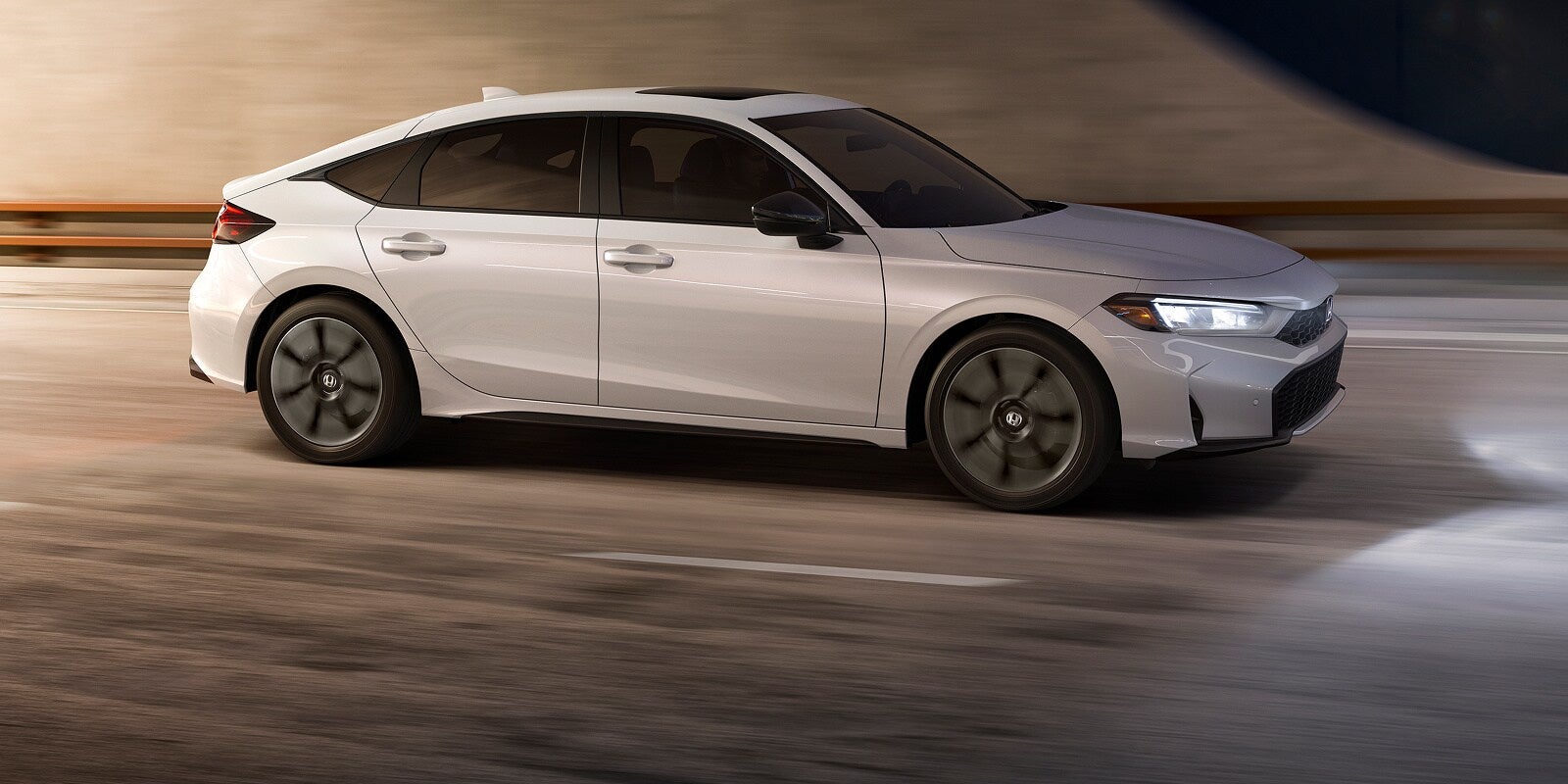
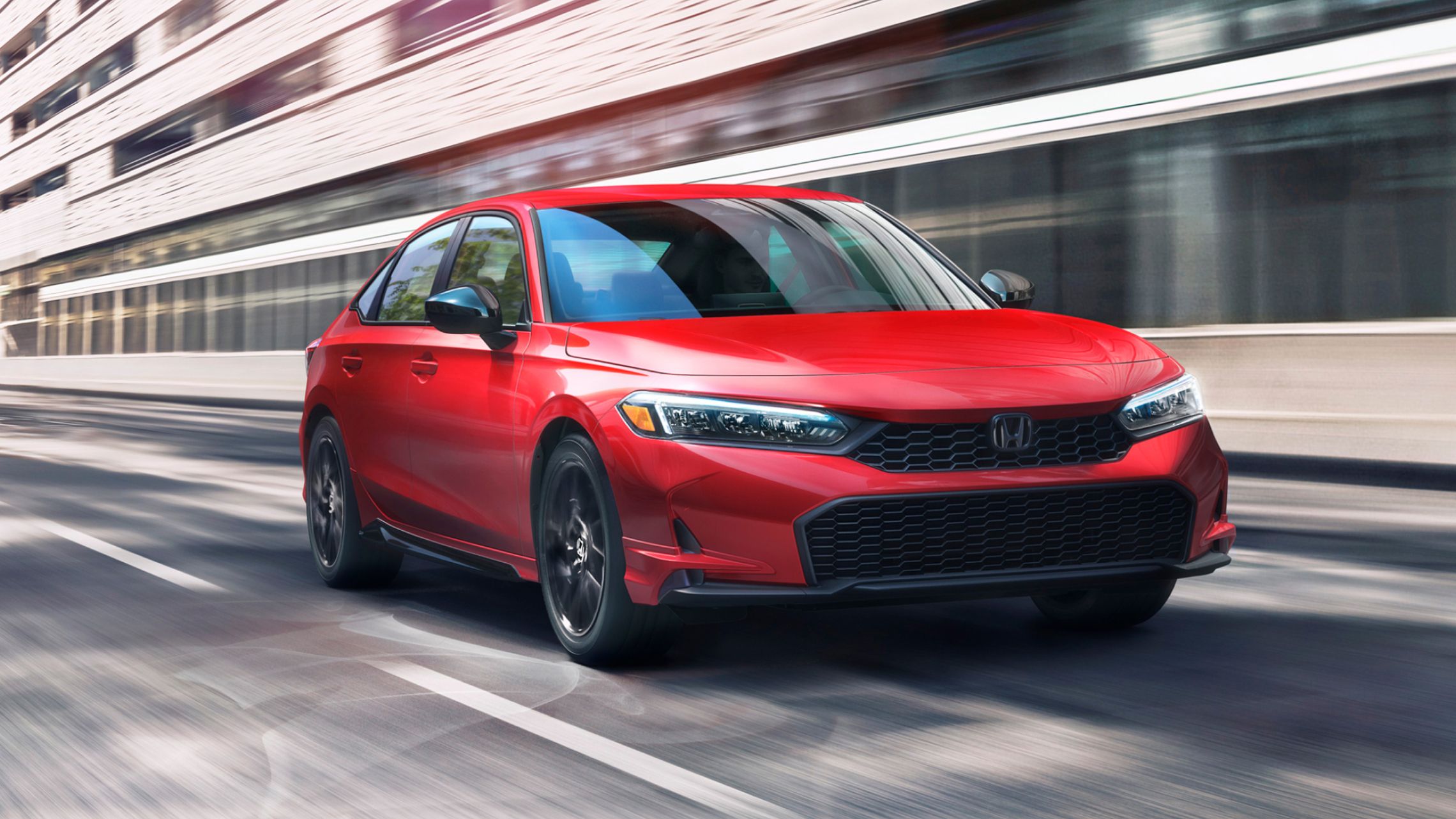
The Civic comes as a sedan and a hatchback, and depending on the year, you'll also find hybrid, sporty and performance-focused versions. The hatchback's rear opening is far more practical for bikes, strollers or bulky boxes, while some people simply prefer the sedan's look. A hybrid feels different in traffic, particularly when pulling away quietly. Sportier trims usually trade some softness for sharper handling.

Trim levels also change what you'll use daily: seat material, wheel size, the audio system and the size of the center screen. Larger wheels can look great and still make the ride a little firmer, which is worth feeling for yourself.

Before your visit, browse the new Civic inventory to see which versions are on the lot. If two catch your eye, ask to drive both on the same route so the comparison is fair.

What should I do right after the test drive?

Take a few minutes to jot down your impressions while they're fresh. Rate comfort, visibility, noise, tech and how the car drove on your route, using the scorecard you brought from home. People who skip this step often blur two cars together a day later.

Ask the questions that came up during the drive. Which features were on that particular car? What changes from one trim to the next? If something felt odd, ask whether it's normal or something a setting can change.

If you're leaning toward a Civic, this is a natural moment to understand the numbers side without committing to anything. You can value your trade to get a sense of what your current car might be worth. Financing questions are fair game too, though any terms depend on a lender's review of your application, so treat early estimates as a starting point, not a promise.

At North Shore Honda, customers are treated as part of the North Shore Honda family. Taking the car home to think it over is completely fine. A good test drive should leave you clearer, not pressured.

What's the expert test drive tip most shoppers skip?

Drive the car the way you'll own it, not the way you'd show it off. Most people judge a Civic on a sunny midday loop with an empty back seat, and then discover the real-life stuff later.

Recreate your actual week

Put your real gear in the trunk or hatch, such as a golf bag, a stroller or the cooler you take to the beach. If you use a child seat, install it and see how easily the buckles reach and whether the front passenger still has room. Bring the people who ride with you most. If you can, schedule the drive at the time of day you usually commute, so the traffic and light are familiar.

Check the details you'll touch daily

Measure your garage or tight parking spot and think about how the car fits. Try reaching the cupholders, the phone tray and the charging port with your own coffee and phone.

It's also worth comparing against a gently used model. Driving a certified pre-owned Civic alongside a new one shows how the car holds up over time, and helps you decide which features are worth paying for in your next Civic.

Where
611 Glen Cove Rd
Glen Head, NY
KEY TAKEAWAYS
  • Set the car up and connect your phone before you leave the lot, so you're judging the car instead of fumbling with it.
  • Drive the roads you actually use, including highway merges, rough pavement and tight parking.
  • Recreate your real life in the car: your gear, your passengers, your car seat, your commute.
FAQ

Common questions

How long should a Honda Civic test drive take?

Plan on about 30 to 45 minutes of driving, plus some time to set up the car beforehand and talk afterward. That's enough to cover local streets, a highway merge and parking. If you're comparing two versions, leave extra time so you can drive both on the same route.

Can I test drive a Civic alone?

Policies vary by dealership and situation, so ask when you schedule. Driving with a salesperson has its benefits, since they can explain features on the spot and help with settings. What matters most is that you get enough time behind the wheel to form your own opinion.

Do I need to decide on financing before a test drive?

No. A test drive is about finding the right car first. If you want to explore financing afterward, you can talk through options, but approval and terms always depend on a lender's review of your application. Getting a rough sense of your budget beforehand can still help you focus on the right trims.
Want to see it in person?
Come by for a test drive, or browse what is on the lot right now.
Or call (516) 629-5612 · 611 Glen Cove Rd, Glen Head

Recommended Posts

Where to Drive for the View Near Glen Head

Where to Drive for the View Near Glen Head

THE SHORT ANSWER The best views near Glen Head are on the water. Mercadante Beach and Morgan Memorial Park give you open shoreline scenery with almost no walking, while Garvies Point Museum & Preserve and Welwyn Preserve reward a short hike with bluffs, woods and coastline. Go early in the morning or in the hour before sunset to see them at their best. You don't have to go far from Glen Head to find water, woods and big skies. A handful of nearby parks and preserves can turn a short drive into a real outing, as long as you know when to go and what each one offers. North Shore Honda has served its community for more than 35 years, and this is how we'd plan a scenic drive close to home. IN THIS POST What Makes a Drive Worth It Here Timing Matters More Than Distance Mercadante Beach: The Easy First Stop Morgan Memorial Park: Room to Linger Garvies Point Museum & Preserve: Bluffs and Backstory Welwyn Preserve and a Place for Reflection Building a Half-Day Loop Getting Your Car Ready for Coastal Drives Key takeaways What Makes a Drive Worth It Here Around Glen Head, the best views come from water and elevation working together. Land rises and falls as it nears the shore, so a few minutes behind the wheel can take you from tree-lined streets to an open stretch of shoreline. You don't need a long route to get a payoff, and that's what makes this area so good for short scenic trips. Think of a view drive as having two parts: the approach and the stop. Approaches here tend to be quiet and wooded, with glimpses of water through the trees. Stops are where you park, step out and let the scenery open up around you. Five places do most of the work: Mercadante Beach, for an easy look at the water Morgan Memorial Park, for open waterfront lawn Garvies Point Museum & Preserve, for bluffs and trails Welwyn Preserve, for woods that lead down to the shore Holocaust Memorial & Tolerance Center, a reflective stop on the Welwyn grounds Start with whichever fits the time you have and build from there. A first visit to one spot usually tells you which of the others you'll enjoy most, and that sense of what suits you is worth more than any fixed route. Timing Matters More Than Distance Light changes everything on the water. Midday sun flattens color and throws glare across the surface, while the first and last hour of daylight turns the same view warm and soft. If you take only one piece of advice, plan around the clock rather than the map. Seasons shift the experience too. Spring and fall bring cooler air and thinner crowds, and bare branches in late fall and winter open sightlines you'd never get in July. Summer is lively and green, but parking near the shore gets tighter on warm weekends. A quick weather check before you leave pays off: Clear days right after a storm passes tend to be the crispest Light haze can make sunsets more colorful Fog is beautiful up close but hides the far shore Wind makes the waterfront feel colder than it does in town Weekday mornings are the easiest way to have these places nearly to yourself. You'll find calmer lots, quieter paths and soft early light, often before most people have finished breakfast. Evenings are the trade-off: busier, but with the chance of a sunset that makes the whole trip. Mercadante Beach: The Easy First Stop If you're new to the area or short on time, Mercadante Beach is a gentle place to begin. A visit here is simple: park, walk a short way and you're looking out over the water. Kids, older passengers and anyone who doesn't want a hike will be comfortable. Plan your stop around light rather than a schedule. A calm morning or a clear evening rewards you most, and a light jacket helps even in summer, since the breeze off the water can feel cool. Sit for a few minutes once you arrive; the scene keeps changing as boats and clouds move. Making the most of a short visit Walk to the water's edge before you settle anywhere. From there, look along the shoreline in both directions, because the curve of the coast often makes a better picture than staring straight out. Seasonal rules on parking or beach access can apply in busy months, so check them before you go and follow posted signs. A quick stop here also makes a good warm-up for a longer walk later in your day, letting everyone stretch their legs before something more involved. Morgan Memorial Park: Room to Linger Morgan Memorial Park gives you a wide, open look at the water from a green, park-like setting. It suits a picnic, a slow stroll or simply sitting on a bench while the light shifts. Because it's built for relaxing rather than hiking, it's a smart pick when you're traveling with a mixed group. Open lawn is what sets it apart. Unlike a wooded preserve, nothing blocks your sightline, so you can watch weather roll in or boats cross the water without hunting for a clearing. Sunset visits feel especially rewarding when the sky clears late in the day. When to arrive Get there roughly an hour before sunset. That gives you time to park, find a spot and watch the color build, instead of catching only the last few minutes from the car. Treat this as a place to slow down. Pack a thermos or a simple meal, set aside an hour and let the view do the work. It pairs naturally with Mercadante Beach on the same outing if you'd like two different takes on the waterfront, one sandy and one green. Garvies Point Museum & Preserve: Bluffs and Backstory For something with more texture, head to Garvies Point Museum & Preserve. Trails wind through woodland and along bluffs above the shore, so the views come in layers: shade and trees first, then sudden openings over the water. Of all these spots, it most rewards a pair of good walking shoes. The preserve Expect natural paths rather than pavement, with some ups and downs along the way. Stay on marked trails, since bluff edges can be soft and wear away over time. Morning light on the bluffs is lovely, and cooler hours make the climbs more comfortable. The museum Inside, exhibits focus on the region's geology and Native American history, which adds real meaning to the landscape you just walked. Learning how the shoreline formed changes the way you read those bluffs on the way back out. Check hours before you go, because museum schedules and trail access don't always line up. Give yourself longer here than at the beach or the park. A couple of hours lets you walk the trails and see the museum without rushing either one. Welwyn Preserve and a Place for Reflection Welwyn Preserve offers a quieter, more wooded walk, with trails that lead through forest toward the shoreline. Its payoff feels earned: you spend time under the canopy, then the trees thin and the water appears. Birdwatchers and anyone who likes a hushed trail will feel right at home. Paths can turn muddy after rain, and roots and slopes call for steady footing. Wear shoes you don't mind getting dirty, and take time to stop and look rather than racing to the water. A reflective stop on the same grounds The Holocaust Memorial & Tolerance Center sits on the Welwyn grounds, and it deserves its own unhurried visit. It isn't a scenic stop in the usual sense; it's a place for learning and reflection. Many visitors find that pairing it with a quiet walk gives the day a more thoughtful shape. If you plan to go inside, check visiting hours ahead of time. Keep voices low and phones put away, and treat the space with the respect it calls for. Older kids may get a lot from the visit, but it's worth talking with them beforehand about what they'll see. Building a Half-Day Loop Once you know the stops, the fun is in combining them. They sit close together, so you can link two or three in a morning or afternoon without spending much time in the car. Match the mix to the people riding with you. Three easy combinations Easy waterfront: Mercadante Beach, then Morgan Memorial Park for a picnic Active outing: the trails at Garvies Point Museum & Preserve, then the museum to cool off Quiet and thoughtful: Holocaust Memorial & Tolerance Center, then a walk through Welwyn Preserve Order makes a difference. Put the walking stop early while everyone has energy, and save the sit-down view for last so the day ends on a calm note. If you're chasing a sunset, make an open waterfront spot your final destination rather than a wooded trail where the trees block the sky. Keep the schedule loose. The best moments on drives like these tend to be unplanned, like a heron working the shallows or a break in the clouds, and a rigid itinerary leaves no room for them. Build in a little slack and let the day surprise you. Getting Your Car Ready for Coastal Drives Short scenic drives still ask something of your car. Narrow, winding roads near the shore, steep entrances into parking areas and stop-and-go weekend traffic all reward a vehicle in good shape. A few quick checks make the day smoother: Tire pressure and tread, especially heading into fall and winter Wipers and washer fluid, since salty air leaves a film on glass Brakes, which work harder on hills and in traffic Cargo room for a cooler, blankets or a bag for muddy shoes Coastal air is tough on a car over time. Rinse the underside after winter trips and wash off salt spray when you can. Driving with care Slow down on curves, watch for walkers and cyclists, and never stop in a travel lane to grab a photo. Pull fully into a lot or onto a legal shoulder first. If anything feels off, from a squeal when braking to a dashboard warning light, have it looked at before your outing. North Shore Honda offers online service scheduling, so you can book service around your plans instead of the other way around. Where 611 Glen Cove Rd Glen Head, NY Call (516) 629-5612 KEY TAKEAWAYS For the easiest water views, start with Mercadante Beach or Morgan Memorial Park; for trails and bluffs, choose Garvies Point or Welwyn. Plan around the light, not the distance, because every stop here is a short drive away. Scout a spot at midday, then come back for golden hour so you can walk straight to the best overlook. FAQ Common questions Which spot near Glen Head has the best view with the least walking? Mercadante Beach and Morgan Memorial Park are your best bets. At both, you can see the water within a short walk of where you park, which makes them comfortable for kids, older passengers and anyone who'd rather skip a trail. Can I visit several of these places in one trip? Yes. They're close enough together to link two or three into a half-day outing. Put the stop with the most walking first and finish at an open waterfront spot, especially if you're hoping to catch the sunset. What should I bring for a scenic drive and walk? Pack a light jacket for the breeze off the water, sturdy shoes for the preserve trails, water, a flashlight if you're staying past sunset, and a towel or bag for muddy footwear. Check hours and posted rules for any museum or preserve you plan to visit, since access can change by season. Want to see it in person? Come by for a test drive, or browse what is on the lot right now. Schedule a test drive Browse new inventory Or call (516) 629-5612 · 611 Glen Cove Rd, Glen Head Or keep browsing Current offers Financing Value your trade Book service Contact us Used cars

When to Change Your Cabin Air Filter

When to Change Your Cabin Air Filter

THE SHORT ANSWER Change your cabin air filter when your Honda's Maintenance Minder calls for it or your owner's manual schedule says so. Go sooner if you drive in heavy traffic, dust or pollen. Weak airflow, musty smells or slow defogging mean it's overdue, whatever the calendar says. How often should you change your cabin air filter? It's one of the most common questions we hear at North Shore Honda in Glen Head, and the honest answer is that most people wait too long. This small filter cleans the air you breathe inside your car, and a lot of what drivers believe about it is a little off. Here's what holds up, what doesn't, and what to do next. IN THIS POST Myth: A set mileage is all you need Myth: If air comes out, the filter's fine Myth: Only a technician can swap it Myth: Any filter that fits will do Key takeaways Myth: A set mileage is all you need Myth: A cabin air filter lasts a fixed number of miles, so you can set one reminder and forget it. Fact: How fast a filter clogs depends on what your car breathes, not just how far it goes. Stop-and-go crawls on the Long Island Expressway load it up faster than easy highway cruising. So do gravel lots, construction zones and a heavy spring pollen season. Most recent Hondas help with the Maintenance Minder. When your dash shows sub-item 2, it's calling for the engine air filter and the dust and pollen filter, which is Honda's name for the cabin filter. That reminder works from how the engine has been used. If you regularly drive through dust or thick pollen, swapping the filter a bit sooner is still smart. On an older Honda, or one you bought used, start with the schedule in your owner's manual. Then take a quick look at the filter before summer and again before winter. Myth: If air comes out, the filter's fine Myth: As long as the vents are blowing, the filter is doing its job. Fact: A clogged filter rarely cuts airflow off outright. It chokes it gradually, so you adjust without noticing. Watch for these signs: Weaker airflow at the same fan setting A musty or sour smell when the fan kicks on Windows that take longer to defog on cold, damp mornings More sneezing, or dust settling on the dash A whistle or extra fan noise from behind the glove box That defogging point matters most. Clear glass on a raw November morning is a safety issue, not just a comfort one. A restricted filter makes your defroster work harder and clear the glass more slowly. It also forces the blower motor to push against resistance, which does it no favors over time. Myth: Only a technician can swap it Myth: Changing a cabin filter means a trip to the shop. Fact: On most Hondas, the filter sits behind the glove box and comes out without tools. The general routine goes like this: Empty the glove box and unhook the damper arm on its side Squeeze the sides inward so the box swings down Release the tabs on the filter cover and slide the old filter out Check the airflow arrow, then slide the new one in facing the same way Reverse the steps and run the fan to confirm That arrow is where most home installs go wrong. A filter put in backward still fits, but it won't do its job as well. Your owner's manual shows the exact steps for your model, and you can get the correct part from our Honda parts department. Would you rather skip it? Our technicians can handle it during any visit. Myth: Any filter that fits will do Myth: Cabin filters are basically identical, so the cheapest one is fine. What actually differs A basic particulate filter traps dust, pollen and soot. Some versions add an activated carbon layer that also absorbs odors and some exhaust fumes. That's worth having if you sit in traffic a lot or live with allergies. Fit counts too, since a slightly undersized filter lets air slip around its edges unfiltered. What to do next If you can't remember your last change, check the filter now, especially heading into pollen season or winter. Replace it if it looks gray, is matted with leaves or smells off. Doing it alongside your next oil change saves a trip, and you can schedule service online with North Shore Honda at a time that suits you. You'll likely notice the cleaner air on your very first drive. Where 611 Glen Cove Rd Glen Head, NY Call (516) 629-5612 KEY TAKEAWAYS Driving conditions, not just miles, decide how fast a cabin filter clogs. Weak airflow, odors and slow defogging are your cue to check it. On most Hondas it sits behind the glove box and swaps out in minutes. FAQ Common questions Is the cabin air filter the same as the engine air filter? No. The engine air filter cleans the air your engine burns, and the cabin filter cleans the air coming through your vents. They're often replaced at the same visit, which is why Honda's maintenance reminder groups them together. Can I clean my cabin filter and reuse it? Most cabin filters are disposable pleated media. Tapping or vacuuming one removes surface debris but not the fine particles trapped deep in the material, so replacing it is the better choice. Does a fresh cabin filter help with allergies? It can make a real difference, since the filter traps pollen and dust before they reach you. If allergies are a concern, ask about a filter with an activated carbon layer, and keep up with changes during spring. How long does a cabin filter replacement take? On most Hondas it's a matter of minutes, whether you do it yourself or have it done during another service. Models with a different filter location can take a little longer. Can North Shore Honda replace it for me? Yes. We're family-owned and operated and have served this community for more than 35 years. Our service team can check your filter, show you what it looks like, and replace it if it's due. Let us take care of it Book online in a minute and pick a time that works for you. Book service Order parts Or call (516) 629-5612 · 611 Glen Cove Rd, Glen Head Or keep browsing Current offers Financing New inventory Contact us Used cars Certified pre-owned

Two Hondas, One Driveway: Civic or Civic Hatchback?

Two Hondas, One Driveway: Civic or Civic Hatchback?

THE SHORT ANSWER Choose the Civic sedan if you want a separate, fully hidden trunk and a cabin that's closed off from the cargo area. Choose the Civic Hatchback if you regularly carry bulky or oddly shaped things and want the whole back of the car to open. Up front the two are very similar, so the real decision lives behind the rear seats. It's Sunday night, and two people are standing in a Glen Head driveway debating the same car. One wants the Civic sedan because it looks sharp and grown-up, and the other wants the hatchback because it looks fun. At North Shore Honda, we hear this conversation all the time. The right answer usually has less to do with looks than either person expects, so let's walk through what actually separates these two. $24,695 Starting MSRP 41 mpg EPA highway 14.8 cu ft Cargo space 2026 Honda Civic, from its published specifications. IN THIS POST The Mistake Most Shoppers Make First What's the Same, and What Actually Changes Trunk Lid or Liftgate: How Loading Really Works Run Your Own Cargo Test Privacy, Security and a Quieter Cabin How They Feel on the Road and in Tight Spots Who Tends to Prefer Which Cost, Timing and Getting the Numbers Right Key takeaways The Mistake Most Shoppers Make First We see this moment on the lot all the time. Someone walks past a row of Civics, points at one, and says, "That one looks sportier." Decision made. The trouble is that the shape you like from twenty feet away tells you almost nothing about how the car fits your week. Choosing on silhouette alone is the most common misstep with this pair. A sedan reads as tidy and grown-up, while a hatchback reads as youthful and practical. Neither impression is wrong, but neither one answers the questions that matter after the first month, like how a folded stroller goes in or where your gym bag rides. A close second is assuming the hatchback is a lesser, budget version of the sedan. It isn't. Honda treats it as its own body style with its own personality, not a stripped-down sibling. A better starting point Before you think about looks, picture the last ten things you put in a car: grocery runs, a cooler for Jones Beach, a set of golf clubs, a dog crate. That list will steer you more honestly than any photo, and the rest of this guide builds on it. What's the Same, and What Actually Changes Start with the reassuring part. From the front seats forward, these two cars have a lot in common. You'll find a similar dashboard layout, the same approach to driver-assist technology, and the Civic driving feel that people tend to like right away. Trim names and features can shift by model year, so compare the specific versions you're considering rather than assuming they match line for line. The real split happens behind the rear seats. On a sedan, the cargo area is closed off into a separate trunk with a lid that hinges below the rear window. With a hatchback, the whole back of the car lifts as one door, glass included. That single difference in the rear opening ripples out into almost everything else: how you load, what fits, how private your cargo is, and even how the cabin sounds on the Northern State. That thread connects the next few sections. It also means you don't have to worry about giving something up where you sit. Comfort, controls and everyday manners are close enough that your choice really can come down to the back half of the car. Trunk Lid or Liftgate: How Loading Really Works Think about a rainy Tuesday at the supermarket. With the sedan, you pop the trunk, lean in over the bumper, and set bags down in a space that's long and fairly low. It suits flat, stackable things, and once the lid closes, everything is tucked out of sight. Now run the same errand with the hatchback. The liftgate swings up and creates a wide, tall opening, so a bulky box or a laundry basket slides in without being tipped sideways. You also get a bit of shelter standing under the raised gate, which you'll appreciate in a downpour. Folding the rear seats Both body styles let you fold the rear seatbacks to extend the cargo floor into the cabin. Where they differ is the doorway you're feeding items through. In a sedan, long items travel through the trunk and the opening behind the seats. In a hatchback, the whole rear of the car becomes the doorway, which makes a floor lamp, a bike with the front wheel off, or flat-pack furniture far easier to manage. If you rarely carry anything bigger than a weekend bag, the sedan trunk will feel like plenty. When odd-shaped stuff shows up in your life regularly, the hatch earns its keep. Run Your Own Cargo Test Brochures can't tell you whether your particular stuff fits, so bring it. We mean that literally. Shoppers who show up with the stroller, hockey bag or dog crate they actually use leave with far more confidence than people who estimate from memory. Here's a simple way to do it: Load your bulkiest regular item into both cars with the rear seats up. Fold the seats and try something long, like a golf bag laid lengthwise or a beach umbrella with chairs. Open and close the trunk lid and the liftgate yourself, and notice how high you have to reach. If you have a dog, see which opening makes it easier for them to hop in and settle. The height of the load floor and the size of the opening matter more in daily life than a cargo number on paper. Two cars might look close on a chart, yet one could swallow your kid's science fair project upright while the other forces you to angle it. Give yourself ten unhurried minutes for this. It's the single most useful thing you can do before choosing, and nobody should rush you through it. Privacy, Security and a Quieter Cabin Picture parking at a train station in the morning with a work bag you'd rather not carry onto the LIRR. A sedan's trunk hides it completely behind sheet metal, so nobody walking by can tell whether anything is back there at all. For people who park in busy lots or on the street, that peace of mind is often the quiet reason they pick the sedan. Hatchbacks handle this differently. Many use a cargo cover that hides items from casual view, which works fine for most errands. Anything tall enough to poke above the cover, though, will be visible through the rear glass. What about noise? With a separate trunk, the passenger cabin is sealed off from the cargo area. In a hatchback, cargo and passengers share one open space, so road sound from the rear and anything rattling in back can reach you a little more easily. Most drivers adjust quickly, and plenty never notice. If you're sensitive to cabin noise or spend long stretches on the Long Island Expressway, listen for it during your drive. Neither of these is a deal-breaker on its own. They're simply tradeoffs to weigh honestly against the hatchback's flexibility. How They Feel on the Road and in Tight Spots Since the two share so much up front, the driving experience is more alike than different. Still, the shapes aren't identical, and you'll feel that most when parking or checking your mirrors. A hatchback's roofline slopes down to the liftgate rather than stepping down to a trunk. Some drivers find that helps them judge where the car ends when backing into a crowded Glen Cove lot, while others notice the rear pillars feel a bit thicker over their shoulder. On the sedan, the trunk extends past the rear window, which can take a few days to get used to if you're coming from an SUV. A backup camera evens out a lot of this, but your eyes still do most of the work at a glance. Rear-seat headroom and how easy it is to climb in can also feel different because of those rooflines. Have your tallest regular passenger sit in the back of both cars. You'll settle this fastest by driving both on the roads you actually use, back to back, on the same day. When you're ready, book a test drive in both and ask to park each one in an ordinary space. Who Tends to Prefer Which After enough conversations, patterns show up. They aren't rules, but they can help you see yourself in one camp or the other. Sedan shoppers often... Commute daily and want a quiet, buttoned-up cabin. Park in public lots or on the street and like cargo fully hidden. Carry mostly briefcases, groceries and luggage that stack neatly. Prefer a classic three-box look that feels at home anywhere. Hatchback shoppers often... Haul gear with awkward shapes, like bikes, music equipment, sports bags or a big dog. Make frequent runs to the hardware store or the beach. Want a small car with a little SUV-style flexibility in back. Like a sportier, more European-leaning shape. Your life five years from now deserves a vote, too. A single commuter today might be buckling in a car seat soon, and a busy family might be downsizing once the kids drive. If you lean sedan but can picture a stroller or a mountain bike in your future, give the hatchback a fair look before you commit. And if two people share the driveway with different priorities, compare both lists together. Browsing our new Civic inventory with those lists in hand makes it easier to see which car covers more of your shared week. Cost, Timing and Getting the Numbers Right Money and timing come last, because by now you know which shape fits your life. Prices vary by trim and model year, so compare like with like: an equivalent sedan and hatchback, not a base version of one against a loaded version of the other. Ask for an out-the-door quote on both so taxes and fees don't muddy the comparison. When to shop Model-year changeovers can shift which trims and colors are on the lot, and popular combinations sometimes sell quickly. If you've settled on a body style and color, ask how stock looks, and stay flexible on one detail if you can. Honda's current offers and incentives change over time and may differ between body styles, so check what applies the week you plan to buy. North Shore Honda is family-owned and operated, and its philosophy is fair, easy, honest and sincere. You can request online quotes, start a financing application and schedule service from home, which makes it simple to price both cars before you visit. If you have a car to swap, value your trade early so you can see the whole picture. Financing terms depend on your credit and lender approval, so treat any estimate as a starting point, not a promise. Where 611 Glen Cove Rd Glen Head, NY Call (516) 629-5612 KEY TAKEAWAYS Don't decide on looks alone. Picture what you actually carry in a typical week. The sedan offers privacy and a quieter, sealed-off cabin. The hatchback's wide liftgate offers easier loading. Bring your real gear to the test drive, and compare equivalent trims when you're pricing them. FAQ Common questions Is the Civic Hatchback just a sedan with a different back end? In many ways, yes. The front half and the driving feel are very similar. That different back end changes a lot about daily life, though, including how you load cargo, how hidden it stays, and how the cabin sounds. Which one works better with a child seat and stroller? Both have a usable back seat, so bring your own car seat and install it in each during your visit. Strollers are where the hatchback often shines, because the tall liftgate opening lets you drop one in without wrestling it under a trunk lid. Should I consider a certified pre-owned Civic in either body style? It's worth a look if you want a Civic with some miles behind it and the reassurance of a manufacturer inspection program. The sedan-versus-hatchback reasoning in this guide applies the same way. Just compare model years, because features can change from one year to the next. Want to see it in person? Come by for a test drive, or browse what is on the lot right now. Schedule a test drive Browse new inventory Or call (516) 629-5612 · 611 Glen Cove Rd, Glen Head Or keep browsing Current offers Financing Value your trade Book service Contact us Used cars