
- The Mistake Most Shoppers Make First
- What's the Same, and What Actually Changes
- Trunk Lid or Liftgate: How Loading Really Works
- Run Your Own Cargo Test
- Privacy, Security and a Quieter Cabin
- How They Feel on the Road and in Tight Spots
- Who Tends to Prefer Which
- Cost, Timing and Getting the Numbers Right
- Key takeaways
The Mistake Most Shoppers Make First
What's the Same, and What Actually Changes
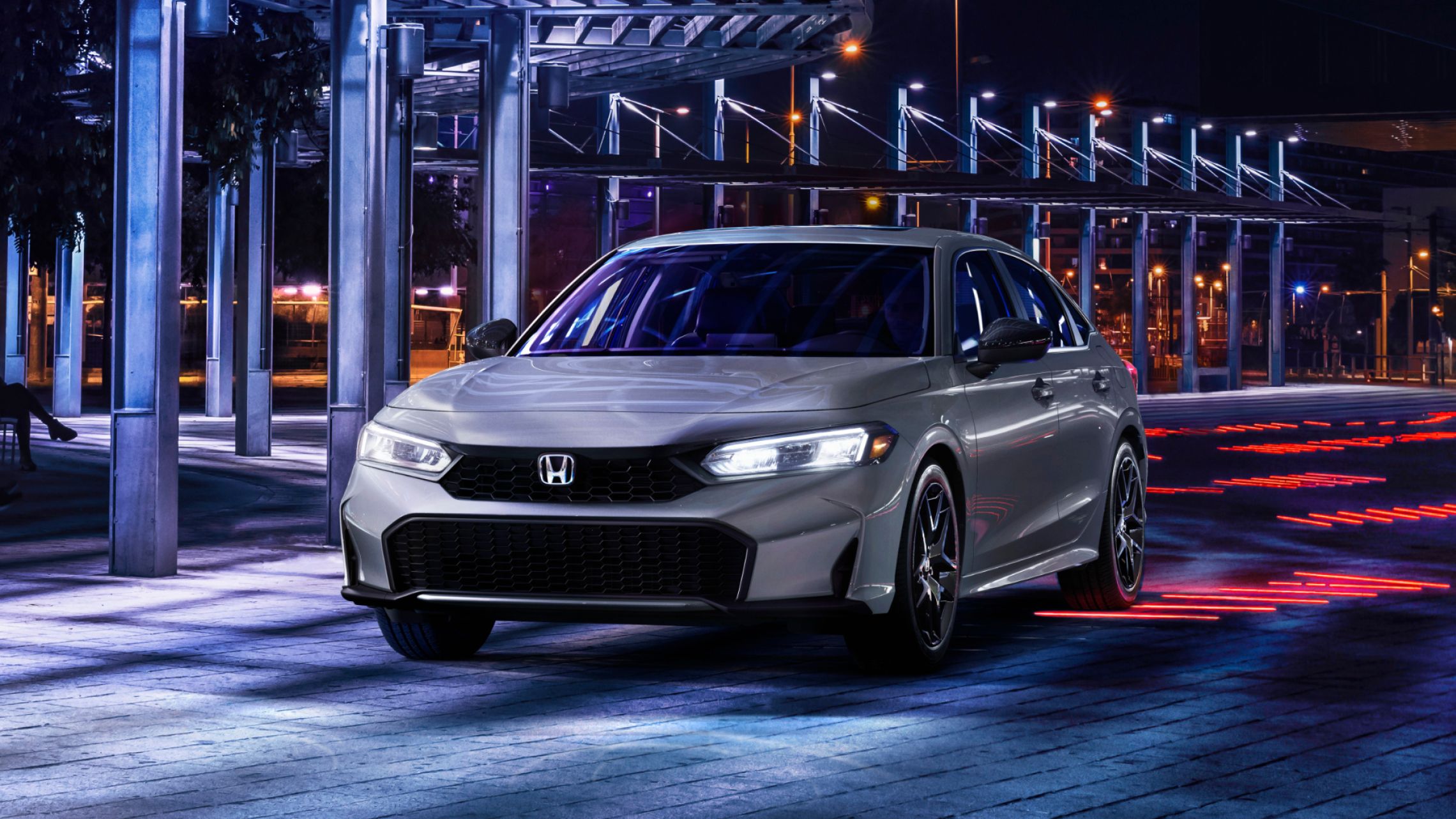
Start with the reassuring part. From the front seats forward, these two cars have a lot in common. You'll find a similar dashboard layout, the same approach to driver-assist technology, and the Civic driving feel that people tend to like right away. Trim names and features can shift by model year, so compare the specific versions you're considering rather than assuming they match line for line.
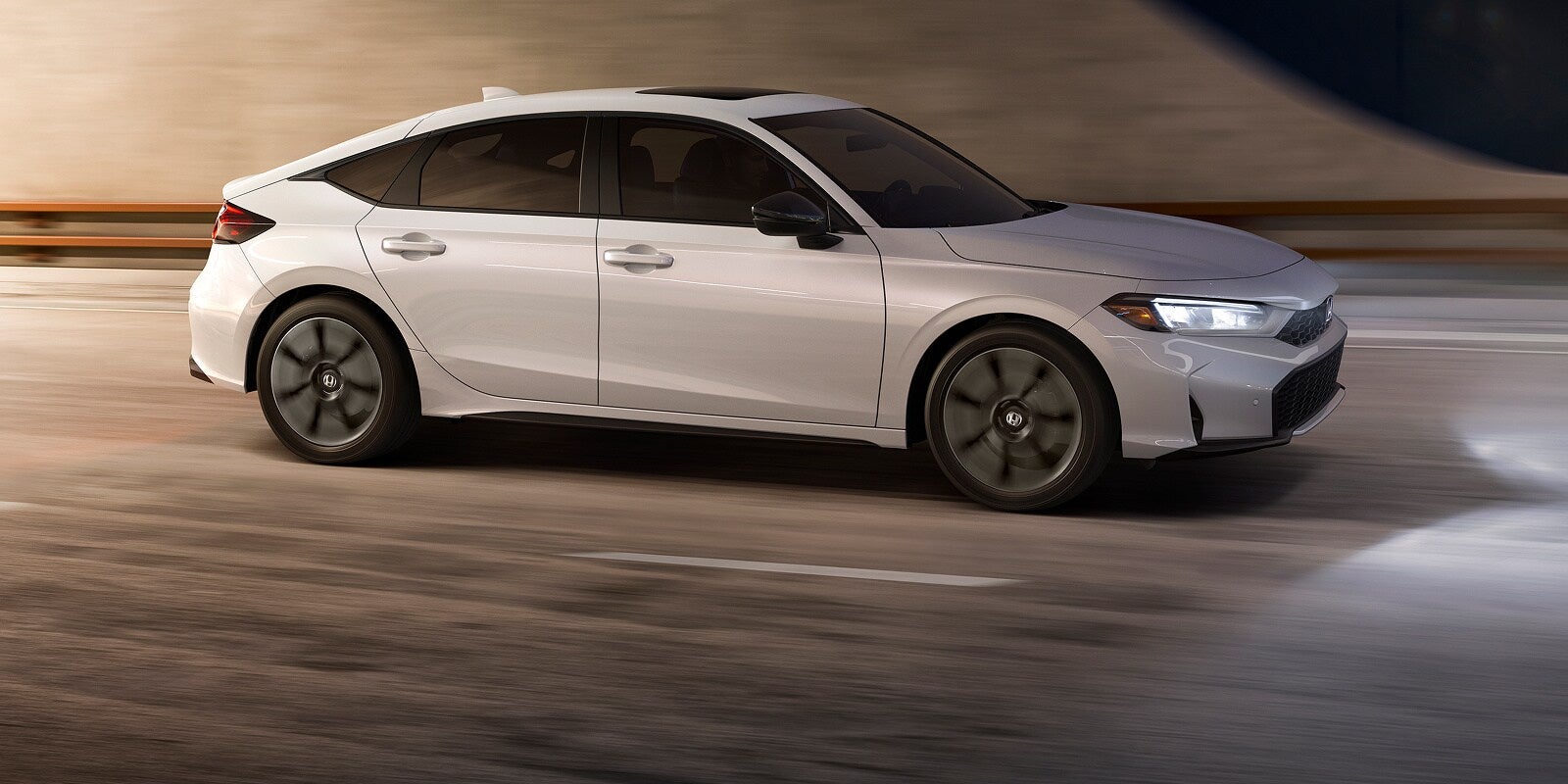
The real split happens behind the rear seats. On a sedan, the cargo area is closed off into a separate trunk with a lid that hinges below the rear window. With a hatchback, the whole back of the car lifts as one door, glass included.
That single difference in the rear opening ripples out into almost everything else: how you load, what fits, how private your cargo is, and even how the cabin sounds on the Northern State. That thread connects the next few sections.
It also means you don't have to worry about giving something up where you sit. Comfort, controls and everyday manners are close enough that your choice really can come down to the back half of the car.
Trunk Lid or Liftgate: How Loading Really Works
Think about a rainy Tuesday at the supermarket. With the sedan, you pop the trunk, lean in over the bumper, and set bags down in a space that's long and fairly low. It suits flat, stackable things, and once the lid closes, everything is tucked out of sight.
Now run the same errand with the hatchback. The liftgate swings up and creates a wide, tall opening, so a bulky box or a laundry basket slides in without being tipped sideways. You also get a bit of shelter standing under the raised gate, which you'll appreciate in a downpour.
Folding the rear seats
Both body styles let you fold the rear seatbacks to extend the cargo floor into the cabin. Where they differ is the doorway you're feeding items through. In a sedan, long items travel through the trunk and the opening behind the seats. In a hatchback, the whole rear of the car becomes the doorway, which makes a floor lamp, a bike with the front wheel off, or flat-pack furniture far easier to manage.
If you rarely carry anything bigger than a weekend bag, the sedan trunk will feel like plenty. When odd-shaped stuff shows up in your life regularly, the hatch earns its keep.
Run Your Own Cargo Test
Brochures can't tell you whether your particular stuff fits, so bring it. We mean that literally. Shoppers who show up with the stroller, hockey bag or dog crate they actually use leave with far more confidence than people who estimate from memory.
Here's a simple way to do it:
- Load your bulkiest regular item into both cars with the rear seats up.
- Fold the seats and try something long, like a golf bag laid lengthwise or a beach umbrella with chairs.
- Open and close the trunk lid and the liftgate yourself, and notice how high you have to reach.
- If you have a dog, see which opening makes it easier for them to hop in and settle.
The height of the load floor and the size of the opening matter more in daily life than a cargo number on paper. Two cars might look close on a chart, yet one could swallow your kid's science fair project upright while the other forces you to angle it.
Give yourself ten unhurried minutes for this. It's the single most useful thing you can do before choosing, and nobody should rush you through it.
Privacy, Security and a Quieter Cabin
Picture parking at a train station in the morning with a work bag you'd rather not carry onto the LIRR. A sedan's trunk hides it completely behind sheet metal, so nobody walking by can tell whether anything is back there at all. For people who park in busy lots or on the street, that peace of mind is often the quiet reason they pick the sedan.
Hatchbacks handle this differently. Many use a cargo cover that hides items from casual view, which works fine for most errands. Anything tall enough to poke above the cover, though, will be visible through the rear glass.
What about noise?
With a separate trunk, the passenger cabin is sealed off from the cargo area. In a hatchback, cargo and passengers share one open space, so road sound from the rear and anything rattling in back can reach you a little more easily. Most drivers adjust quickly, and plenty never notice. If you're sensitive to cabin noise or spend long stretches on the Long Island Expressway, listen for it during your drive.
Neither of these is a deal-breaker on its own. They're simply tradeoffs to weigh honestly against the hatchback's flexibility.
How They Feel on the Road and in Tight Spots
Since the two share so much up front, the driving experience is more alike than different. Still, the shapes aren't identical, and you'll feel that most when parking or checking your mirrors.
A hatchback's roofline slopes down to the liftgate rather than stepping down to a trunk. Some drivers find that helps them judge where the car ends when backing into a crowded Glen Cove lot, while others notice the rear pillars feel a bit thicker over their shoulder. On the sedan, the trunk extends past the rear window, which can take a few days to get used to if you're coming from an SUV. A backup camera evens out a lot of this, but your eyes still do most of the work at a glance.
Rear-seat headroom and how easy it is to climb in can also feel different because of those rooflines. Have your tallest regular passenger sit in the back of both cars.
You'll settle this fastest by driving both on the roads you actually use, back to back, on the same day. When you're ready, book a test drive in both and ask to park each one in an ordinary space.
Who Tends to Prefer Which
After enough conversations, patterns show up. They aren't rules, but they can help you see yourself in one camp or the other.
Sedan shoppers often...
- Commute daily and want a quiet, buttoned-up cabin.
- Park in public lots or on the street and like cargo fully hidden.
- Carry mostly briefcases, groceries and luggage that stack neatly.
- Prefer a classic three-box look that feels at home anywhere.
Hatchback shoppers often...
- Haul gear with awkward shapes, like bikes, music equipment, sports bags or a big dog.
- Make frequent runs to the hardware store or the beach.
- Want a small car with a little SUV-style flexibility in back.
- Like a sportier, more European-leaning shape.
Your life five years from now deserves a vote, too. A single commuter today might be buckling in a car seat soon, and a busy family might be downsizing once the kids drive. If you lean sedan but can picture a stroller or a mountain bike in your future, give the hatchback a fair look before you commit.
And if two people share the driveway with different priorities, compare both lists together. Browsing our new Civic inventory with those lists in hand makes it easier to see which car covers more of your shared week.
Cost, Timing and Getting the Numbers Right
Money and timing come last, because by now you know which shape fits your life. Prices vary by trim and model year, so compare like with like: an equivalent sedan and hatchback, not a base version of one against a loaded version of the other. Ask for an out-the-door quote on both so taxes and fees don't muddy the comparison.
When to shop
Model-year changeovers can shift which trims and colors are on the lot, and popular combinations sometimes sell quickly. If you've settled on a body style and color, ask how stock looks, and stay flexible on one detail if you can. Honda's current offers and incentives change over time and may differ between body styles, so check what applies the week you plan to buy.
North Shore Honda is family-owned and operated, and its philosophy is fair, easy, honest and sincere. You can request online quotes, start a financing application and schedule service from home, which makes it simple to price both cars before you visit. If you have a car to swap, value your trade early so you can see the whole picture. Financing terms depend on your credit and lender approval, so treat any estimate as a starting point, not a promise.
Glen Head, NY
- Don't decide on looks alone. Picture what you actually carry in a typical week.
- The sedan offers privacy and a quieter, sealed-off cabin. The hatchback's wide liftgate offers easier loading.
- Bring your real gear to the test drive, and compare equivalent trims when you're pricing them.
FAQ Common questionsIs the Civic Hatchback just a sedan with a different back end?In many ways, yes. The front half and the driving feel are very similar. That different back end changes a lot about daily life, though, including how you load cargo, how hidden it stays, and how the cabin sounds. Which one works better with a child seat and stroller?Both have a usable back seat, so bring your own car seat and install it in each during your visit. Strollers are where the hatchback often shines, because the tall liftgate opening lets you drop one in without wrestling it under a trunk lid. Should I consider a certified pre-owned Civic in either body style?It's worth a look if you want a Civic with some miles behind it and the reassurance of a manufacturer inspection program. The sedan-versus-hatchback reasoning in this guide applies the same way. Just compare model years, because features can change from one year to the next. |
Want to see it in person? Come by for a test drive, or browse what is on the lot right now. Or call (516) 629-5612 · 611 Glen Cove Rd, Glen Head |