
Blog

OEM vs Aftermarket Parts for Your Honda: What’s the Difference?

OEM vs Aftermarket Parts for Your Honda: What’s the Difference?
THE SHORT ANSWER
OEM parts are Honda Genuine Parts, built to Honda's own design for your exact model, while aftermarket parts come from other companies and range from excellent to poor. Genuine is the safer choice for safety systems, sensors, body panels and fluids. A reputable aftermarket brand can make sense for simple wear items.

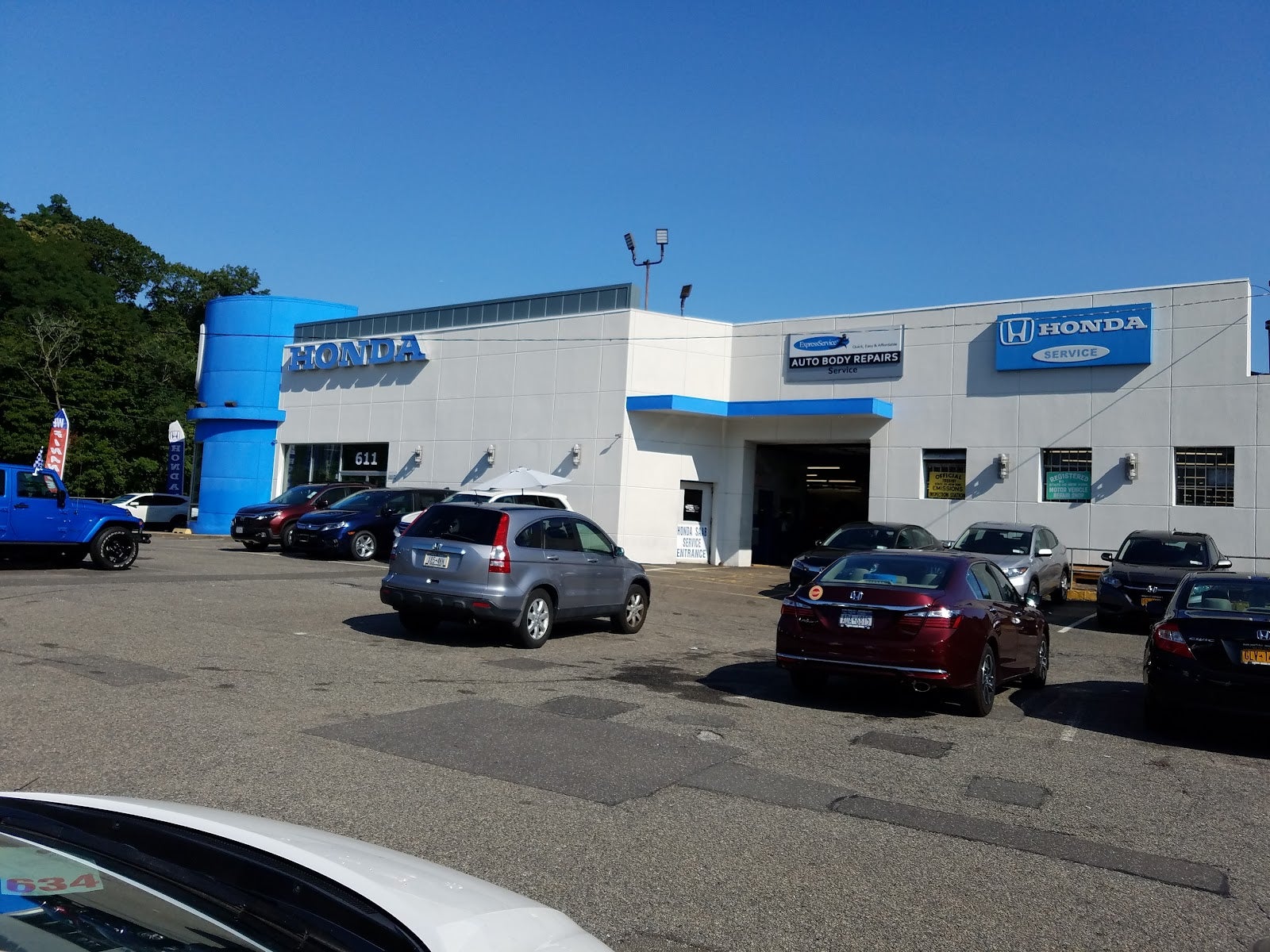
You're standing at the counter for a brake job or a cracked mirror, and someone asks, "Do you want the Honda part or the aftermarket one?" Most people pause right there, because the cheaper box looks almost the same. Here at North Shore Honda in Glen Head, that's one of the questions we hear most, so this guide covers what each option really means for your car, your warranty, and your wallet.

1. What OEM actually means

Think back to that counter moment: two boxes, one with a Honda logo and one without. Before you choose, it helps to know what each label stands for.

OEM stands for original equipment manufacturer. On your Honda, that means Honda Genuine Parts. These are the parts engineered for your model and installed at the factory, or Honda's approved replacements for them. They're built to Honda's drawings and tested to Honda's standards.

Genuine parts are also cataloged by your VIN. Two Civics from the same year can use different brake rotors, sensors or trim pieces depending on trim level, engine or build date. Ordering by VIN takes the guesswork out, so the piece that arrives is the one your car was built with.

If you want to see what's out there for your car, our Honda parts department can look it up by VIN. Treat OEM as the baseline, the part your Honda was designed around. Every other option gets measured against it.

2. What counts as aftermarket

Aftermarket simply means the part comes from a company other than Honda. That covers a huge range, and lumping it all together is where people get tripped up.

It helps to sort aftermarket parts into three rough groups:

  • OE-supplier parts: made by companies that also supply automakers, sold under their own brand name.
  • Performance or styling parts: designed to change how the car drives, sounds or looks.
  • Economy parts: built mainly to hit a low price, often reverse-engineered from the original.

Quality between those groups can be night and day. A well-known brake or filter brand may match the original closely. A no-name part bought online might use thinner metal, softer rubber or a slightly different shape.

Collision parts have an independent standard worth knowing. CAPA certification, from the Certified Automotive Parts Association, means a non-OEM body part has been tested for fit and material against the original. It doesn't make a part genuine, but it's a useful signal when you're comparing.

3. Fit and finish: where the gap shows up

Most of the difference shows up during installation, not on the shelf.

Body and trim

A bumper cover or fender that's slightly off leaves uneven gaps and clips that don't quite seat. Sometimes paint won't match, too. On newer Hondas, bumpers and grilles also hold parking sensors and radar for driver-assist features, so the mounting points have to be exact. A body part that almost fits can affect how those systems read the road.

Mechanical parts

Brake pads show the difference in feel and noise. Honda tunes pad compound and shims for each model. A different compound may stop fine but squeal, dust more or wear the rotors faster.

It's worth looking at the total cost, not just the sticker on the box. A cheaper part that takes extra labor to make fit, or wears out sooner, often costs more over time. Ask whoever's doing the work which brand they plan to use and whether they've installed it on your model before.

4. Warranty: what's really at stake

Here's the worry that sends a lot of people to the dealer: "If I use an aftermarket part, did I just void my warranty?" The short answer is no, not by itself.

A federal law called the Magnuson-Moss Warranty Act keeps a manufacturer from denying warranty coverage just because a non-genuine part is on the car. Coverage can be refused for a repair only when that aftermarket part caused the failure. So a bargain oil filter won't touch your transmission coverage. But if that filter fails and damages the engine, the engine repair is likely on you.

Keep records either way. Hang on to receipts that show the part brand, the date and the mileage for anything done outside the dealership. Clear paperwork settles most questions quickly.

Genuine parts installed by the dealer generally come with their own parts-and-labor coverage, which is separate from your new-car warranty. Terms vary by part, so ask about them when you book a service appointment.

5. Insurance claims and collision repairs

This is the spot where a lot of drivers end up with aftermarket parts without ever choosing them. After a fender bender, your insurance company's estimate may specify non-OEM or recycled parts to keep claim costs down.

That's often allowed under the policy, so read yours before you need it. Some insurers sell an OEM parts endorsement that pays for genuine parts on collision repairs, and it's worth asking about at renewal, especially on a newer car. You can also ask the body shop for a parts list before work begins, so you know what's going on your Honda.

Safety equipment deserves extra attention. Windshields, bumpers and side mirrors on many Hondas house cameras or sensors tied to Honda Sensing features. After a repair, those systems usually need calibration so they aim correctly, and the shop should confirm that was done.

If an estimate leaves you unsure, reach out to our team and we can walk you through what's on it.

6. Fluids and filters deserve extra care

Parts you pour in matter as much as parts you bolt on, and this is where "universal" products cause the most trouble.

Honda specifies its own fluids for several systems. Many Honda automatics call for Honda ATF DW-1. Continuously variable transmissions use Honda HCF-2, and the cooling system is designed for Honda Type 2 coolant. A bottle labeled "compatible with all makes" may not match the friction properties or additives those systems expect. Transmissions are especially sensitive to the wrong fluid.

Your owner's manual names the exact fluid for your car, so check it before buying anything off a store shelf. Oil and cabin air filters are more forgiving, and quality aftermarket brands are common there. Pay attention to fit and filter media, though, not only the price.

Your Maintenance Minder tells you when service is due. Using the right fluid when it comes up is one of the simplest ways to protect the parts that cost the most to replace.

7. The expert tip: match the part to the job

After all of that, the smartest approach isn't "always genuine" or "always cheap." It's deciding by what the part does.

Go genuine when a failure would be dangerous, expensive or hard to fix:

  • Brakes, steering and suspension components
  • Sensors, cameras and anything tied to driver-assist systems
  • Body panels on a newer car
  • Transmission fluid and coolant

Consider a reputable aftermarket brand for simple wear items, like wiper blades, bulbs, floor mats or air filters. A bad pick there is cheap and easy to undo.

One more habit pays off. Before any job, ask what brand is going in and whether it's ordered by your VIN. Good shops answer that without hesitation.

North Shore Honda is family-owned and operated and has served its community for more than 35 years. We'd rather help you choose the right part than sell you the most expensive one.

Where
611 Glen Cove Rd
Glen Head, NY
KEY TAKEAWAYS
  • OEM means Honda Genuine Parts, matched to your car by its VIN.
  • Using aftermarket parts doesn't void your Honda warranty on its own, but a failure that part causes may not be covered.
  • Choose genuine for safety, sensors and fluids, and save on simple wear items where quality brands exist.
FAQ

Common questions

Are aftermarket parts always lower quality than Honda Genuine Parts?

No. Some aftermarket parts come from companies that also supply automakers and are very close to the original. Quality varies a lot by brand, though, so stick with names you recognize and look for CAPA certification on body parts.

Will using aftermarket parts void my Honda warranty?

Not on their own. Under the Magnuson-Moss Warranty Act, Honda can't deny coverage just because a non-genuine part was used, but a failure caused by that part may not be covered. Keep receipts showing the brand, date and mileage.

How can I tell whether a part is genuine Honda?

Genuine parts come in Honda-branded packaging with a Honda part number, and a dealer parts counter can match that number to your VIN. Very low prices online for "genuine" parts are a warning sign, so buy from a source you trust.
Want to see it in person?
Come by for a test drive, or browse what is on the lot right now.
Or call (516) 629-5612 · 611 Glen Cove Rd, Glen Head

Recommended Posts

How to Check if Your Car Has an Open Recall

How to Check if Your Car Has an Open Recall

THE SHORT ANSWER The fastest way to check is to enter your car's 17-character VIN at nhtsa.gov/recalls or on Honda's owner site. You'll see right away whether any safety recall is still unrepaired on your vehicle. If one is, an authorized dealer fixes it at no charge. You're scrolling your phone in a waiting room and a headline catches your eye: a big automaker just announced a recall. Then the thought hits you. Would you even know if your car were on that list? At North Shore Honda in Glen Head, we're family-owned and operated, and this is one of the most common questions we hear. Here are the beliefs that keep drivers guessing, and the facts that replace them. IN THIS POST Myth: If My Car Had a Recall, I'd Know Myth: Checking Takes a Trip to the Dealer Myth: Recall Repairs Cost Money Myth: One Clean Search Means You're Covered Key takeaways Myth: If My Car Had a Recall, I'd Know Most people assume a letter would show up in the mailbox. It usually does, but only for the registered owner at the address on file. If you bought the car secondhand, moved since buying it, or tossed an envelope that looked like junk mail, that notice may never have reached you. Used cars are where this gap shows up most. A previous owner might have ignored a notice for years, and in many cases a vehicle can change hands with the repair still undone. If you're browsing our used cars or a private listing, ask for the VIN before you get attached to anything. Running a quick search is the simplest way to learn whether the car has been taken care of, and it costs you nothing. Myth: Checking Takes a Trip to the Dealer You can do it yourself in about a minute from your couch. What you need is your Vehicle Identification Number, a 17-character code that belongs to your car alone. You'll find it in any of these places: On the dashboard by the windshield, driver's side, readable from outside On the sticker inside the driver's door jamb On your registration or insurance card Once you have it, enter it at nhtsa.gov/recalls or on Honda's owner website. The government tool covers recalls from roughly the past 15 years and shows only repairs that haven't been completed on your car. A result reading "0 unrepaired recalls" means you're clear for now. Myth: Recall Repairs Cost Money This belief keeps a lot of drivers from making the call. In reality, safety recall repairs are performed free at an authorized dealer for that brand. The car's age doesn't change that, and neither does whether you're the first owner or the fourth. What can take time is parts. Sometimes a remedy is ready the day a recall is announced. Other times, availability rolls out in waves. When your search turns up an open recall on a Honda, book a service visit and mention the recall number when you schedule. That lets the service team confirm parts are on hand before you arrive. At North Shore Honda, customers are treated as part of the North Shore Honda family, so expect a straight answer about timing. Myth: One Clean Search Means You're Covered Why the answer can change A clean result reflects today, not next year. New recalls are announced all the time, and some open with a status of "remedy not yet available," meaning the problem is confirmed but the fix is still being developed. Set a reminder to search again every few months, or sign up for NHTSA's email alerts on your vehicle. The expert tip most people miss A VIN search only covers the vehicle itself. Aftermarket tires and child car seats have their own recalls that won't appear there. Register your seat with its maker using the card in the box, and keep track of the tire identification code on your tire sidewall so you can look that up too. Those few extra minutes close the gap that catches careful drivers off guard. Where 611 Glen Cove Rd Glen Head, NY Call (516) 629-5612 KEY TAKEAWAYS Your VIN is all you need, and a recall search takes about a minute. Recall repairs are free at an authorized dealer, no matter how old the car is or who owned it before. Check again every few months, and register tires and car seats separately, because a clean search today can change. FAQ Common questions Can I get a recall repair done at any Honda dealer? Yes. Any authorized Honda dealer can perform the work, so you don't need to return to the one where you bought the car. Calling ahead with your VIN helps the team check parts before your visit. How long does a recall repair usually take? It depends on the repair. Some take less than an hour, and others need the car for most of a day. When you schedule, ask for an estimate so you can plan around it. Will an open recall hurt my car's trade-in value? An unrepaired recall can raise questions for a buyer. Once it's fixed, the record shows the work was done. Taking care of it before you sell or trade keeps the conversation simple. I paid for a repair before the recall was announced. Can I get reimbursed? Automakers sometimes reimburse owners who paid for a repair that later became part of a recall. Keep your receipts and contact Honda or your dealer to ask how their process works for that specific recall. Let us take care of it Book online in a minute and pick a time that works for you. Book service Order parts Or call (516) 629-5612 · 611 Glen Cove Rd, Glen Head Or keep browsing Current offers Financing New inventory Contact us Used cars Certified pre-owned

How Often Does Your Honda Need a Cooling System?

How Often Does Your Honda Need a Cooling System?

THE SHORT ANSWER Your Honda doesn't need a new cooling system on any schedule. It needs its coolant replaced when the Maintenance Minder or owner's manual calls for it, plus a look at hoses, the radiator cap and related parts during routine service. Keep up with that, and the major cooling parts usually last a long time. You're inching along in July traffic with the AC on full, and your eyes drift to the temperature gauge. It's sitting where it always does, but you start wondering when anyone last looked at what keeps it there. That's a good question to ask before the gauge gives you a reason. Here's how we explain cooling system care to owners at North Shore Honda in Glen Head, NY. IN THIS POST Does my Honda ever need a whole new cooling system? How do I know when my coolant is due? What else in the cooling system wears out? Which warning signs should I never ignore? Can I check or top off coolant myself? What should I do next? Key takeaways Does my Honda ever need a whole new cooling system? Almost never. The system is designed to last the life of the car, as long as the coolant inside it gets replaced on schedule and the rubber and plastic parts get checked now and then. When people say "cooling system service," they usually mean draining the old coolant and refilling it with fresh. That matters because coolant does more than keep the engine from overheating in summer and freezing in winter. It also carries corrosion inhibitors that protect the aluminum in your engine and radiator. Those additives wear out over time, even when the fluid still looks clean in the reservoir. Once the protection is used up, coolant starts eating away at the metal it's supposed to protect. Clogged radiator passages, pitted water pumps and leaking gaskets follow, and each of those costs far more to fix than a coolant change. So here's the honest answer to the title: your Honda needs fresh coolant on Honda's schedule, plus a quick check of its hoses and cap whenever it's in for routine work. Do that, and the expensive parts rarely come up. How do I know when my coolant is due? Your Honda keeps track for you. Most late-model Hondas use the Maintenance Minder, which tracks how you drive and puts a service code on the dash when something is due. Coolant replacement shows up as sub-code 5, usually next to a main code like A or B. Don't go by miles alone, though. Coolant ages with the calendar too, so a car that sits in the garage most of the week can come due on time rather than mileage. Your owner's manual lists the time-based interval for your model, and it's worth checking if you don't drive much. A few things can bring the date closer: Lots of short trips where the engine never fully warms up Towing or carrying heavy loads in summer heat Long stretches of stop-and-go driving A past top-off with the wrong type of coolant If you bought your Honda used and don't know its history, don't assume it's been done. A technician can test the coolant's condition and freeze protection in a few minutes, and that tells you more than an old service sticker will. What else in the cooling system wears out? The parts that age Coolant gets most of the attention, but it runs through several parts that have their own lifespans. Over years of heating up and cooling down, rubber and plastic get brittle. Hoses can soften, swell or crack, often near the clamps where you can't easily see. The radiator cap holds the system under pressure, and a weak seal lets coolant boil off faster than it should. A thermostat can stick open, so the engine runs cool and the heater feels weak, or stick closed, which causes overheating. The water pump can start to weep coolant from its seal or make a whining noise as the bearing wears. Radiators can clog inside or leak where the plastic tanks meet the metal core. What a good inspection covers You don't need to replace any of these on a fixed schedule. You need someone who knows where to look. A proper check includes squeezing the hoses, pressure-testing the system to find slow leaks, and looking for dried coolant crust around fittings. Most cooling failures show warning signs well before the car leaves you stranded. Which warning signs should I never ignore? Your Honda will usually tell you when something's off. The trick is noticing early, while the fix is still small. The temperature gauge reads higher than normal or moves around when it usually stays put A sweet, syrupy smell around the car or through the vents Bright-colored drips or puddles under the front of the car Steam or vapor from under the hood The heater blows lukewarm or cold air on a winter morning You keep having to add coolant to the reservoir One of these doesn't automatically mean a big repair. A loose clamp or a tired radiator cap can cause several of them. Still, any of them is worth a visit soon rather than whenever it's convenient. If the gauge climbs toward hot, pull over somewhere safe and shut the engine off. Driving an overheating engine even a short distance can warp the cylinder head or damage the head gasket, and that turns a small problem into a very large one. Let it cool completely, then call for help instead of guessing. Can I check or top off coolant myself? Checking the level Yes, and it's a good habit. Find the translucent reservoir under the hood and see whether the level sits between the marks. Only check it with the engine cold. Never open the radiator cap on a hot engine. The system is under pressure, and hot coolant can spray out and burn you badly. Topping off versus a full change If the level is a little low, adding Honda's own long-life coolant is fine. It comes premixed, so you don't have to dilute it. You can pick some up from our Honda parts department and keep a bottle in the garage. Avoid mixing in universal or off-brand coolant. Different formulas can react with each other and weaken the protection you're counting on. A full coolant replacement is a different job. After the old fluid drains, the system has to be refilled and bled so no air pockets stay trapped in the engine. Air left behind can cause hot spots and overheating even though the reservoir looks full. And if you find yourself topping off over and over, the real issue is a leak, and more coolant won't fix it. What should I do next? Start by looking at your dash. If the Maintenance Minder shows sub-code 5, or you can't remember when the coolant was last changed, that's your sign. Check your owner's manual for the time-based interval too, especially if your Honda doesn't get driven much. When it's due, you can book service online and have our technicians replace the coolant with Honda's formula, bleed the system properly, and look over the hoses, cap and water pump while they're in there. If anything needs attention, you'll hear about it plainly, with no pressure to do more than the car needs. North Shore Honda has served its community for more than 35 years. Our philosophy is simple: fair, easy, honest and sincere. That's how we approach something as routine as a coolant change. Customers are treated as part of the North Shore Honda family, which means we'd rather catch a cracked hose in the shop than hear about it from you on the side of the road. So next time you're stuck in summer traffic, you can look at that gauge and not think twice about it. Where 611 Glen Cove Rd Glen Head, NY Call (516) 629-5612 KEY TAKEAWAYS Coolant wears out with age and miles, so replace it when your Honda's Maintenance Minder shows sub-code 5 or the owner's manual's time interval comes up. A climbing temperature gauge, a sweet smell, steam, or puddles under the car mean you should get it checked right away. Check the coolant level only when the engine is cold, use Honda's coolant, and leave full coolant changes to a technician. FAQ Common questions Is it okay to use universal coolant from an auto parts store? For an emergency top-off to get you home, it's better than running low. For regular use, stick with Honda's long-life coolant. It's made for the metals and seals in your engine, and mixing formulas can weaken corrosion protection. If universal coolant has already gone in, mention it at your next service so a technician can decide whether a full change makes sense. Can I keep driving a short distance if the temperature gauge is climbing? It's not worth the risk. Pull over somewhere safe, turn the engine off, and let it cool completely before you open anything. Even a few extra miles on an overheating engine can damage the head gasket or cylinder head, and those repairs cost far more than a tow. Why is my heater blowing cold air even though the engine seems fine? The heater uses hot coolant to warm the cabin, so weak heat often points to low coolant, trapped air, or a thermostat stuck open. None of those should be ignored, because the same problem that keeps you cold can affect how well the engine regulates its temperature. Have the system checked soon. Want to see it in person? Come by for a test drive, or browse what is on the lot right now. Schedule Service Order parts Or call (516) 629-5612 · 611 Glen Cove Rd, Glen Head Or keep browsing New inventory Current offers Financing Value your trade Contact us Used cars

How Long Does Routine Service Take?

How Long Does Routine Service Take?

THE SHORT ANSWER Most routine visits, like an oil change with a quick inspection, are among the shortest jobs a service department handles, and many people simply wait for them. A larger scheduled service with several items due can take a few hours, and anything found during inspection can add time. Booking ahead and knowing what your car is due for are the two best ways to keep your visit short. How long will your car actually be in the shop? It's the first thing most people want to know before booking routine maintenance, and the answer depends less on the work itself than on what's due and how you schedule it. Here's how the team at North Shore Honda in Glen Head, NY, would explain it, one common myth at a time. IN THIS POST Myth: An oil change takes your whole morning Myth: Every service takes about the same time Myth: Showing up first thing gets you out fastest Myth: If they find something, you're stuck for days Key takeaways Myth: An oil change takes your whole morning Plenty of people block off half a day for an oil change because that's what happened once at a crowded shop. In reality, draining the oil, swapping the filter and refilling is one of the shortest jobs a technician does. Add a tire pressure check and a look at fluids and wipers, and it's still a quick visit. What actually eats your time is everything around the work. When the shop is full and you have no appointment, you wait for a bay to open. A car that turns out to be due for more than you expected means a longer ticket. And a finding during inspection, like a worn brake pad, means a conversation before anything else happens. So the honest answer is that the work is fast and the waiting is variable. You control more of that variable than you might think, which is where the rest of this guide comes in. What a basic visit usually covers Engine oil and filter change Tire pressure set to the door-jamb sticker Fluid levels, wipers and lights checked A walk-around for anything leaking, worn or loose Myth: Every service takes about the same time Your Honda doesn't run on a one-size-fits-all schedule. Most late-model Hondas use the Maintenance Minder, which tracks how you actually drive and shows a code on the dash when service is due. That code is the best preview you'll get of how long your visit will run. Main codes come in two flavors. An A service centers on the oil change, while a B service adds a more thorough inspection of brakes, suspension, steering, exhaust and more. Numbers beside the letter flag extra items: 1: tire rotation 2: air filters and a drive belt check 3: transmission fluid 4: spark plugs and a valve clearance check 5: engine coolant 6: rear differential fluid, on models that have one 7: brake fluid A1 is a short visit. B with a 3 and a 4 attached is a different day entirely, because fluid exchanges and spark plug work simply take longer. Older Hondas without the Minder follow a mileage-based schedule in the owner's manual, and the same logic holds: more items due at once means a longer visit. Not sure what your code means? Snap a photo of the dash before you call, and the advisor can tell you what to expect. Myth: Showing up first thing gets you out fastest Lining up at opening without an appointment feels efficient, but it often isn't. A walk-in has to be fit around cars that were already scheduled, and that's when a quick job turns into a long wait. Booking ahead is the single biggest thing you can do to shorten your visit. Before you arrive Note your Maintenance Minder code or current mileage Mention any noise, warning light or odd behavior when you book Ask whether any recalls are open on your vehicle Decide in advance whether you'll wait or drop off Waiting versus dropping off For an A-type service, waiting usually makes sense. With a bigger B service carrying several sub-items, or anything diagnostic, dropping the car off tends to be less stressful than watching the clock. Leave a phone number you'll actually answer, so the advisor can reach you if something needs your OK. It also helps to book service online at a time that suits you rather than calling during a rush. Telling the team about that rattle or warning light up front lets them plan bay time and parts, instead of discovering it halfway through. Myth: If they find something, you're stuck for days Inspections exist to catch problems early, and sometimes they do. Finding a worn brake pad or a weeping hose doesn't mean your car gets held hostage. At a reputable shop, nothing beyond what you booked gets done without your approval, and you're free to say not today. Time comes into it in two ways. Common wear parts are usually on hand, so many fixes can happen the same visit if you agree to them. Less common parts may need ordering, and in that case you can often drive home and come back once they arrive, as long as the car is safe to drive. Ask your advisor plainly which items are urgent and which can wait. North Shore Honda is family-owned and operated and has served its community for more than 35 years. Its philosophy is fair, easy, honest and sincere, and that's a good standard for any service conversation: a clear explanation, your call on timing, no pressure. What to do next Check your dash for the Maintenance Minder code, pick a time that works, and decide whether you'll wait or drop off. Got a question about a specific symptom? It's easier to sort out ahead of time, so reach out to the team before your visit. Where 611 Glen Cove Rd Glen Head, NY Call (516) 629-5612 KEY TAKEAWAYS An oil change and basic inspection is a quick visit; bigger scheduled services naturally take longer. Your Maintenance Minder code is the best preview of how involved your visit will be. Booking ahead and mentioning concerns up front does more to shorten your visit than anything else. FAQ Common questions Can I wait at the dealership while my car is serviced? For shorter jobs like an oil change with a basic inspection, many people do. For a larger scheduled service or anything that needs diagnosis, dropping the car off is usually more comfortable. Mention your preference when you book so the timing can be planned around it. Does a tire rotation add much time? Not much. It's commonly paired with an oil change, which is why you'll often see A1 or B1 on the Maintenance Minder. Rotating at those intervals helps your tires wear evenly. Will an open recall make my service visit longer? It depends on the recall. Some are quick checks or updates, while others take longer or need parts ordered first. Ask about recalls when you book so the team can check your vehicle and have what they need ready. My Maintenance Minder hasn't come on, but it's been a long time since my last oil change. Should I wait? Honda recommends changing the oil at least once a year even if the Minder hasn't called for it, since oil ages with time as well as miles. If you drive very little, an annual visit keeps you on track. Why can a dealership visit take a bit longer than a quick-lube stop? A dealership visit often includes a broader inspection, a check for open recalls, and work done to Honda's own procedures. That extra attention can add a little time, but it's also how small issues get caught before they become big ones. Let us take care of it Book online in a minute and pick a time that works for you. Book service Order parts Or call (516) 629-5612 · 611 Glen Cove Rd, Glen Head Or keep browsing Current offers Financing New inventory Contact us Used cars Certified pre-owned