
Blog

Is the Honda Odyssey Right for Your Glen Head Family?

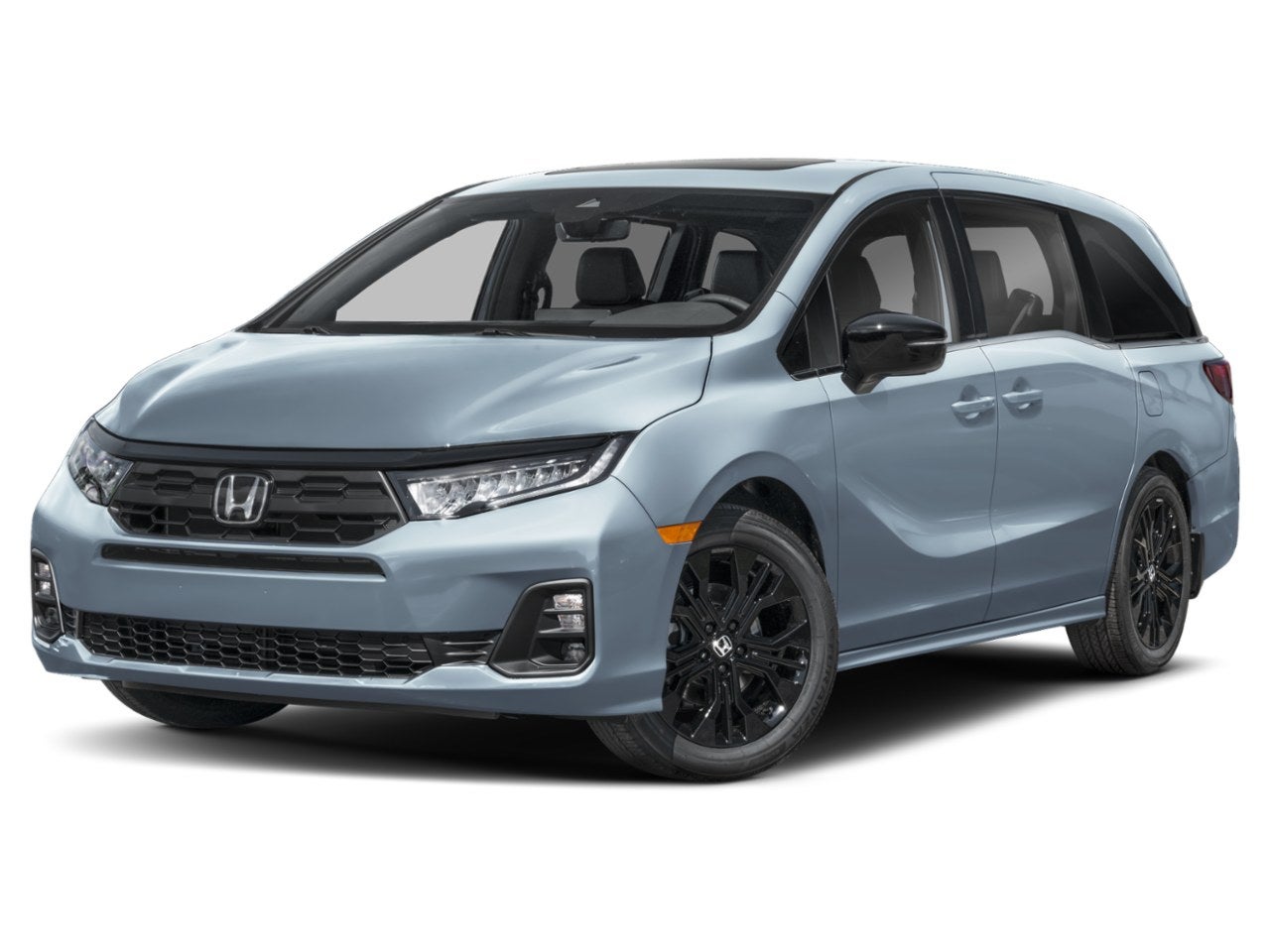
2027 Honda Odyssey Sport-L front three-quarter exterior
THE SHORT ANSWER
For most Glen Head families who regularly carry more than five people or haul a lot of gear, the 2027 Honda Odyssey is a strong fit. It seats eight and uses a 280-hp V6 in all four trims. The real decision is usually which trim, since the EX-L, Sport-L, Touring and Elite differ mainly in features and price.

A third car seat, a growing carpool, or a trunk that never quite closes can tell you it's time to think differently about the family car. For many households around Glen Head, that means taking a hard look at the Honda Odyssey. At North Shore Honda, we talk with families every week who are weighing a minivan against a three-row SUV. Here's how we'd help you decide whether the 2027 Odyssey fits the way you live.

Who a Minivan Really Fits

Most families start shopping for a minivan right around the time the carpool outgrows a midsize SUV. If you're regularly squeezing kids, friends and gear into a vehicle that felt roomy two years ago, the Odyssey deserves a look before you default to a three-row SUV.

Signs you're ready

  • You drive more than five people every week, not just on holidays
  • Your kids want to climb in and buckle up without your help
  • The cargo area always holds a stroller, hockey bags or beach chairs
  • You park in tight spots, like the lot at the Glen Head train station or a school pickup line

Why the shape matters

Sliding doors do a lot of quiet work. They open wide in a narrow space without swinging into the car next to you, which counts on a packed Saturday at the soccer fields. Minivans also tend to sit lower than most three-row SUVs, so younger kids and grandparents can get in on their own.

A minivan won't win style points with everyone. What it does well is take the friction out of the dozen small trips in a family's week. For a lot of parents, that's worth more than looks.

Seating and Space for Real Life

2027 Honda Odyssey dashboard

Here's a detail that surprises shoppers: all four 2027 Odyssey trims seat eight. Stepping up to a nicer version never means trading a bench for captain's chairs and losing a seat, which happens with plenty of three-row SUVs.

Behind the third row, you get 32.8 cubic feet of cargo space. In practical terms, a big grocery run and a folded stroller can ride along with every seat filled. That's the real point, because many three-row vehicles can carry eight people or a load of gear, but not both at once.

Plan for your heaviest week

Picture your busiest days, not your average ones. Hauling a travel team to a tournament out in Suffolk, or bringing the grandparents along to a holiday dinner, is when the eighth seat stops being a nice extra.

Think, too, about where car seats will go. Families with a baby and a booster often want both kids in the second row, while older children can handle the third row on their own. Mapping that out ahead of time makes the rest of the decision much easier.

Once you know eight seats every time is what you need, take a look at our new Odyssey inventory to see which trims and colors we have on the lot.

How It Drives Around the North Shore

2026 Honda Odyssey side exterior

Under the hood sits a 280-horsepower V6, and it's the same engine whether you choose the EX-L or the Elite. You don't have to pay for a top trim to get the power.

That matters most when the van is full. Merging onto the Long Island Expressway with seven passengers and a weekend's worth of bags is a very different job than driving solo, and a V6 gives you reserve for it. The hills between Glen Head and the harbor towns feel the same way: a loaded van shouldn't have to strain.

What to expect at the pump

Honda rates the Odyssey at 19 mpg in the city and 28 mpg on the highway. Those two numbers tell you a lot about how your own driving will play out.

Short, stop-and-go trips are where minivans work hardest. If most of your miles are school drop-offs along Glen Cove Road and errands on Northern Boulevard, expect results closer to the city rating. Regular runs into Manhattan or out east on the Northern State Parkway pull your average up.

The combined rating is 22 mpg, which is a fair middle-ground estimate for a family that does some of both.

Choosing Among the Four Trims

2027 Honda Odyssey rear three-quarter exterior

Since seating, space and power don't change from trim to trim, your choice comes down to features, finish and budget. The lineup runs EX-L, Sport-L, Touring and Elite.

The EX-L starts at $43,195 and is where most families begin. At the top, the Elite carries an MSRP of $52,095.

Between them, the Sport-L comes in at $44,295 and the Touring at $47,895. Because the Sport-L sits so close to the EX-L, choosing between those two is mostly about which one you prefer once you see them side by side.

How to narrow it down

  • Write down the three features you'd use every single day
  • Separate those from the ones that just sound nice in the showroom
  • Sit in at least two trims back to back, including the third row
  • Compare monthly payments, not only sticker prices

That last point catches people. A gap that looks large on paper can feel smaller spread over a loan term, or bigger than expected once taxes and fees are added. Our financing team can walk you through payments on more than one trim so you're comparing real numbers.

Price the trim you actually want, not the one that sounds safest. Families who stretch for features they never touch regret it, and so do those who skip something they'd have used daily.

Winter, Weekends and the SUV Question

All four trims are front-wheel drive. For a typical Glen Head winter, that's a capable setup, especially paired with dedicated winter tires once the cold sets in. Having the engine's weight over the wheels that pull you forward helps on snowy side streets and slushy hills.

Your own situation still matters here. A steep driveway, or ski weekends upstate most of the winter, is worth talking through with us before you buy.

Minivan or three-row SUV?

Three-row SUVs usually ride higher, and many offer all-wheel drive. Minivans tend to win on daily convenience: easier access to the third row, more usable space behind it, and doors made for tight parking.

A simple rule of thumb helps. If your back rows get used every day, the minivan usually comes out ahead. When the third row only comes out a few times a year, an SUV may suit you better, and there's no wrong answer.

Budget can shape the choice as well. If a new Odyssey stretches things more than you'd like, a certified pre-owned Honda can give you the same family-friendly layout at a different price point.

Trying It Out at North Shore Honda

North Shore Honda has served its community for more than 35 years. Our motto is simple: take care of customers and the business will follow. For a minivan shopper, that means a test drive built around your family, not a quick loop around the block.

Make the test drive count

  • Bring the car seats from your current vehicle and install them yourself
  • Drive a route you know, like your school run or a stretch of the LIE
  • Let the kids climb into the third row on their own
  • Load the cargo area with a stroller, cooler or sports bag

Twenty minutes of real-life testing will tell you more than any brochure. You'll know quickly whether the car seats fit where you planned, whether the kids can manage the doors, and how the van feels with weight in it.

Get a head start online

You can request an online quote, fill out a financing application, or schedule service from home. A financing application gives you a clearer picture of your options, though approval and terms always depend on your credit and the lender.

When you're ready, book a test drive and tell us which trims you'd like to compare. We'll have them ready so you can see the differences side by side.

Where
611 Glen Cove Rd
Glen Head, NY
KEY TAKEAWAYS
  • Every 2027 Odyssey trim seats eight and shares the same V6 and front-wheel drive, so no trim costs you a seat.
  • Prices run from $43,195 for the EX-L to $52,095 for the Elite, so choose based on the features you'll use daily.
  • Test it with your own car seats, kids and gear on a route you actually drive before you commit.
FAQ

Common questions

Is the 2027 Honda Odyssey available with all-wheel drive?

All four 2027 trims (EX-L, Sport-L, Touring and Elite) are front-wheel drive. For most Glen Head winters, front-wheel drive with a good set of winter tires handles snowy roads well.

Do all Odyssey trims seat eight people?

Yes. Every 2027 trim seats eight, so moving up to the Touring or Elite adds features without taking away a seat.

Is the Elite worth it over the EX-L?

It depends on how you'll use the extras. Since the engine, seating and cargo space match across the lineup, the difference comes down to features and finish. Sit in both and decide which upgrades you'd actually use every day.

Can I start the buying process online with North Shore Honda?

Yes. You can request an online quote and submit a financing application before you visit. Approval and terms depend on your credit and the lender, but starting early can make your time at the store shorter.
Want to see it in person?
Come by for a test drive, or browse what is on the lot right now.
Or call (516) 629-5612 · 611 Glen Cove Rd, Glen Head

Recommended Posts

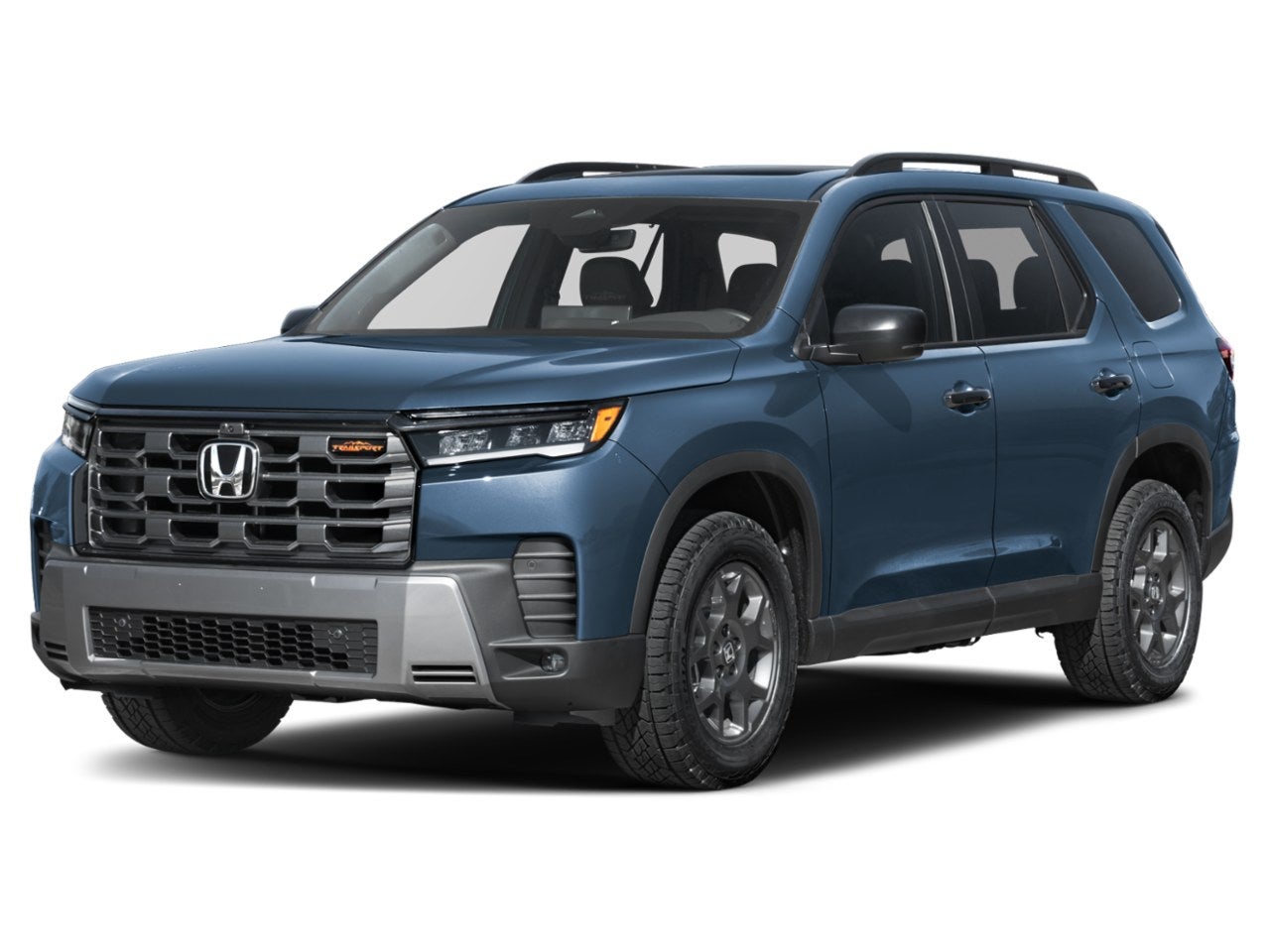
2026 Honda Pilot TrailSport front three-quarter exterior

Honda Pilot Trim Walkthrough: From Sport to Elite

THE SHORT ANSWER Every 2026 Honda Pilot trim, from Sport to Black Edition, uses the same 285-hp 3.5L V6, so moving up never buys more power. What changes is drivetrain choice, seating (TrailSport seats seven, the rest eight), folded cargo room, finish and price, which runs from $42,395 to $55,195 MSRP. Honda's 2026 Pilot comes in nine trims, and the names can blur together quickly when you're comparing them online. If you're shopping at North Shore Honda in Glen Head, the question that matters is simple: what changes as you move up, and is it worth it to you? Let's walk the lineup from Sport to Elite, plus the trims around them, in plain terms. IN THIS POST What Every Pilot Shares Sport: The Smart Starting Point EX-L: The Middle Ground Worth a Close Look TrailSport: Built for the Road Less Paved Touring, Elite and the Darker Editions Choosing Yours at North Shore Honda Key takeaways What Every Pilot Shares Start with the part you don't have to decide. Under the hood of each 2026 Pilot sits the same 3.5L V6 making 285 hp, so moving from Sport to Elite doesn't buy you more power. That's useful before you walk in, because if one trim feels right on the Northern State, the others will pull the same way. Seating is nearly uniform too. Every trim but TrailSport seats eight people, and we'll get to that exception. Space behind the rear seats is 18.6 cu ft across the lineup, which handles a grocery run or a stroller with the whole crew aboard. Where the trims actually split With the engine and cabin size settled, your choice comes down to a short list: Front-wheel drive or all-wheel drive How much you want to spend Whether the trail-focused TrailSport fits how you drive Look and finish, which is where the top trims separate Keep those four points in mind and the walk from Sport to Elite gets much simpler. You can browse our new Pilot inventory to see which trims are on hand right now. Sport: The Smart Starting Point Sport opens the lineup, and it's one of two trims where you pick the drive wheels yourself. It starts at $42,395 MSRP with front-wheel drive, while the all-wheel-drive version comes in at $44,495. That extra money buys traction, and it costs a little at the pump. Front-drive Sport is rated 27 mpg on the highway versus 25 for AWD, a gap you'd notice mostly on long LIE runs out east. Around town, both versions carry the same city rating. Do you really need AWD here? Plenty of North Shore drivers get through winter fine with front-wheel drive and a good set of winter tires. Where all-wheel drive earns its keep is the steep, icy driveway, the unplowed side street after a nor'easter, or the ski trip upstate in January. If your days are mostly Northern Boulevard and the school drop-off line, front-drive may be all you need. To settle it, book a test drive of both versions and see how each feels on roads you know. Bring the car seats if you use them, since how they fit matters as much as how the Pilot drives. EX-L: The Middle Ground Worth a Close Look EX-L follows the same pattern as Sport. You can have it with front-wheel drive at $44,695 MSRP, or with all-wheel drive at $46,795. Here's the comparison worth making. A front-drive EX-L costs only a couple hundred dollars more than an all-wheel-drive Sport, so at that price you're really choosing between a step up in trim and the extra traction. Neither answer is wrong; it depends on whether winter grip or the nicer trim matters more to you. A little more room when you fold things down With the rear seats folded, EX-L opens up 22.4 cu ft compared with 21.8 in the Sport. It's a modest difference, and it carries through the trims above EX-L, with TrailSport the one exception. Think of Sport and TrailSport as the two that give a little back here. Fuel economy matches the Sport for whichever drivetrain you choose, so there's no mileage penalty for moving up. Sit in a Sport and an EX-L back to back and compare the cabins yourself; that usually decides it. If you're stepping out of a smaller SUV or sedan, value your trade first so you know how far up the lineup your budget stretches. TrailSport: Built for the Road Less Paved TrailSport is the outlier of the family, and it's worth understanding why before you fall for it. At $50,595 MSRP it comes with all-wheel drive standard, and as the name suggests, it's aimed at drivers who head off the pavement. Seven seats instead of eight This is the only Pilot that seats seven rather than eight. For a family of five or six, that rarely matters, and it can make the cabin feel less crowded on a long drive. If you regularly carpool a full soccer team, though, one of the eight-seat trims will serve you better. What it gives up You'll pay a bit at the pump. TrailSport is rated 20 mpg combined, the lowest in the lineup, and 23 on the highway. Its folded cargo space matches the Sport rather than the EX-L and up. So who's it for? Think weekend trips to campgrounds upstate, dirt access roads, or hauling gear to a trailhead. If your driving is mostly the Long Island Expressway and Route 25A, you may be paying for trail focus you won't use, and a Touring at a similar price could be the better fit. Touring, Elite and the Darker Editions Above TrailSport, the Pilot settles into four all-wheel-drive, eight-seat trims that share the EX-L's folded cargo space and the AWD fuel economy you saw on Sport. What separates them is finish and price, so seeing them in person pays off. Touring and Touring Blackout Touring starts at $51,295 MSRP, only a few hundred dollars above TrailSport. That makes it a natural cross-shop: same standard AWD, an extra seat, and slightly better mileage. Touring Blackout runs $52,495, and as the name hints, its appeal is a darker look. Elite and Black Edition Elite, at $53,695, sits one step below the top of the range. Black Edition caps the lineup at $55,195 and, like Touring Blackout, leans on appearance. Before paying for the top step, ask us to walk you through what each trim adds over Touring, then decide whether those additions matter to you or it's mostly the badge you're after. Compare all four side by side on our lot, and check current offers before you settle, since incentives can shift which trim makes the most sense in a given month. Choosing Yours at North Shore Honda Once you've narrowed things down, picking a Pilot comes down to a few honest questions: Will you face snow, ice or steep hills often enough to want AWD? Do you need eight seats, or will seven do? How much room do you need when the rear seats fold? Which price step still feels comfortable month to month? Answer those and you'll usually land on two trims, not nine. From there, a drive on familiar roads like Glen Cove Road or the Northern State tells you more than any brochure. Narrow it to two before you worry about colors or extras. How we help North Shore Honda is family-owned and operated. Our motto: take care of customers and the business will follow. Customers are treated as part of the North Shore Honda family. When you're ready, we can walk you through financing options so you can compare monthly payments across the trims you're considering. Approval and terms depend on your credit and the lender, so we'll show you real numbers based on your situation rather than promises up front. Where 611 Glen Cove Rd Glen Head, NY Call (516) 629-5612 KEY TAKEAWAYS Every Pilot trim shares one V6, so moving up buys finish and equipment, not power. Only Sport and EX-L offer front-wheel drive; TrailSport and above come with all-wheel drive. TrailSport seats seven and gives up some mileage, while Touring seats eight for only a little more money. FAQ Common questions Does the Elite have more power than the Sport? No. Sport through Black Edition use the same V6, so acceleration and highway passing feel alike across the lineup. What you pay for as you move up is finish and equipment, not performance. Which Pilot trims offer front-wheel drive? Only Sport and EX-L, and both are also available with all-wheel drive. From TrailSport up, all-wheel drive is standard. Which Pilot trim gets the best fuel economy? The front-wheel-drive Sport and EX-L, which are rated 22 mpg combined. TrailSport carries the lowest rating in the lineup. Is the TrailSport a good choice for a bigger family? It handles most families comfortably with seven seats. If you regularly fill every seat, look at Touring or above, which seat eight and cost only slightly more. Want to see it in person? Come by for a test drive, or browse what is on the lot right now. Schedule a test drive Browse new inventory Or call (516) 629-5612 · 611 Glen Cove Rd, Glen Head Or keep browsing Current offers Financing Value your trade Book service Contact us Used cars

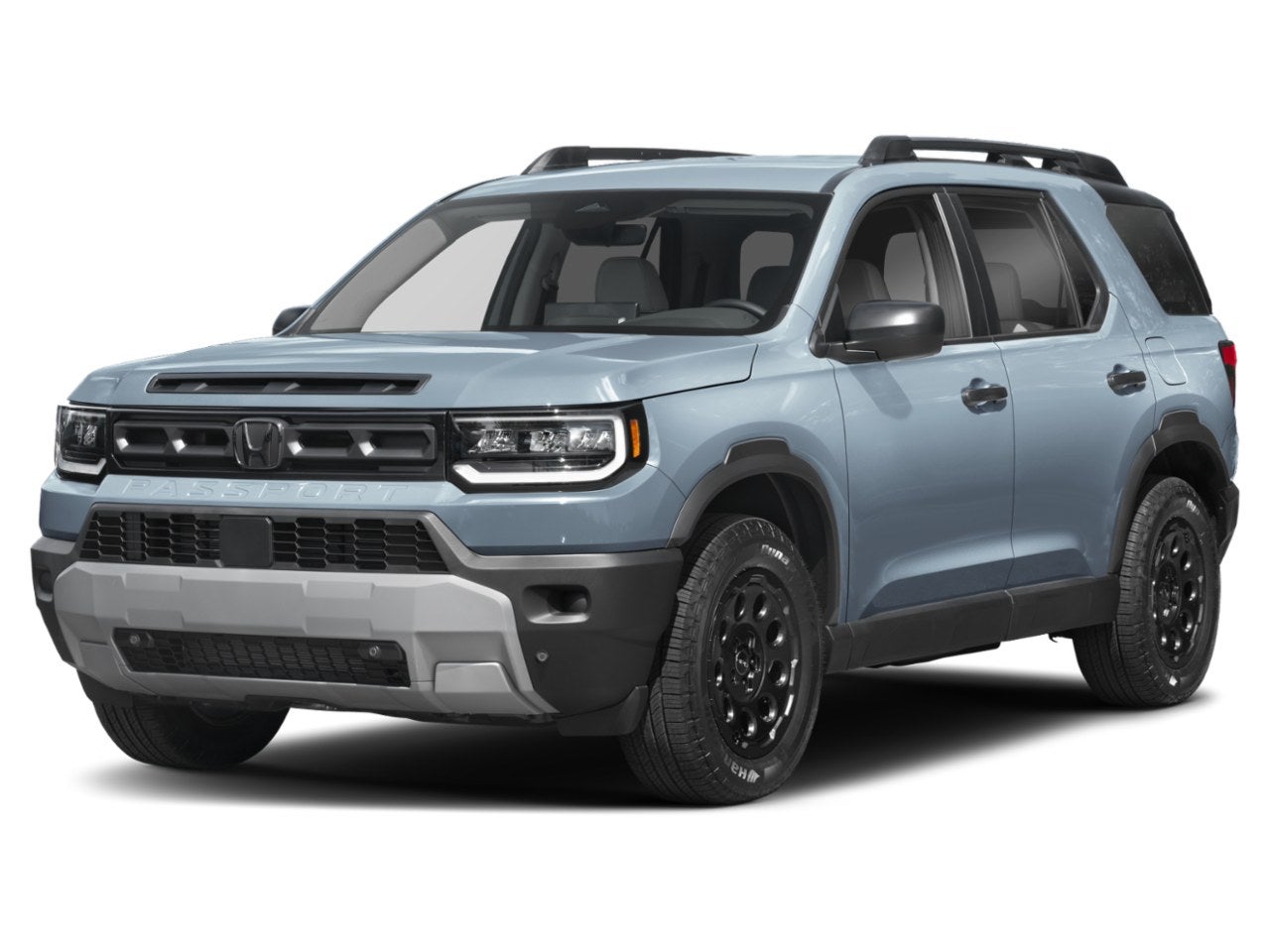
2026 Honda Passport RTL Blackout front three-quarter exterior

Honda Passport or CR-V: Picking the Right Size for Glen Head

THE SHORT ANSWER Choose the CR-V if your days are mostly commuting, errands and tight parking, and you want lower running costs. Choose the 2027 Passport if you regularly haul gear, tow or want more power, since every trim pairs a 285-horsepower V6 with all-wheel drive and 44 cubic feet of cargo space. Choosing between the Honda CR-V and the Honda Passport usually comes down to one question: how much vehicle do you actually need? Around Glen Head, that answer depends on narrow village streets, packed station lots, beach weekends and Long Island winters. At North Shore Honda, we help shoppers sort this out all the time, and a few honest questions settle it faster than any brochure. IN THIS POST Compact vs. Midsize, in Plain Terms How Size Plays Out Around Glen Head What the Passport's Extra Size Gets You Sorting Through the 2027 Passport Trims Fuel, Budget and Day-to-Day Costs A Simple Way to Decide Key takeaways Compact vs. Midsize, in Plain Terms Think of the CR-V as Honda's compact SUV and the Passport as its bigger, more rugged midsize sibling. They share a badge and a reputation for lasting, but they're built for different days. One is tuned for errands, commuting and easy parking. Its sibling is meant to carry more, pull more and shrug off rougher roads. Under the hood, the 2027 Passport uses a 3.5-liter V6 making 285 horsepower. That's a real step up in muscle, and you feel it merging onto the Long Island Expressway with a full load. A CR-V wins you over in other ways, with a smaller footprint, a lighter feel and lower running costs. Neither one is the "better" Honda. The right answer depends on what your week actually looks like, and it's worth being honest about that before you fall for either. Browsing our new Honda inventory is a quick way to see what's on hand for both. How Size Plays Out Around Glen Head Size isn't abstract here. Picture where you park most: a narrow driveway on a Sea Cliff hill, a tight spot in Roslyn village, or the Glen Head station lot before the morning train. A vehicle that feels great on an open road can feel like a chore in those places. Where the CR-V feels right Older homes with one-car garages or shared driveways Daily stop-and-go along Glen Cove Road and Route 25A Commuters who mostly carry themselves, a laptop bag and groceries Where the Passport earns its keep Weekends hauling beach gear to Tappen Beach or kayaks down to the Sound Longer trips on the Northern State with a packed cargo area Families who regularly fill the back with sports equipment and a dog or two Driving both on roads you know is the quickest way to settle it. When you book a test drive, ask to pull each one into a tight lot and practice parking it. Ten minutes of that tells you more than any measurement. What the Passport's Extra Size Gets You Cargo is where the bigger body pays off. The Passport offers 44 cubic feet of cargo space, and that holds across every trim, so you don't give up room by moving up the lineup. Bring a stroller, a cooler and a couple of folding chairs, and the difference shows quickly. That V6 is the other half of the story. It stays relaxed with passengers and gear aboard, and it doesn't strain on the climbs around Hempstead Harbor. Standard all-wheel drive matters too. When a nor'easter leaves slush on Glen Head Road or the side streets near the water haven't been plowed yet, you'll appreciate that every Passport sends power to all four wheels. A CR-V can be equipped with all-wheel drive, but on the Passport you never have to go looking for it. Of course, there's a trade-off. A larger vehicle takes more room to park and burns more fuel, and those costs are worth weighing honestly before you decide. Sorting Through the 2027 Passport Trims Honda keeps the Passport lineup focused, and the engine and drivetrain don't change from one trim to the next. Pricing starts at $45,195 for the RTL and runs to $55,195 for the TrailSport Elite Blackout. RTL: the starting point, with the full engine and cargo room RTL Towing: aimed at buyers who pull a trailer TrailSport: the trail-oriented version, a natural fit for gravel lots and beach access roads TrailSport Blackout: TrailSport with a darker look TrailSport Elite: the more fully equipped TrailSport TrailSport Elite Blackout: the top of the lineup One detail is easy to miss: the Blackout and Elite trims carry slightly lower fuel economy ratings than the RTL, RTL Towing and TrailSport. If you mostly commute, that small gap adds up over years of ownership. Pull a boat or small camper in the summer? Then the RTL Towing deserves a close look, since it costs only a little more than the RTL. Seeing the trims in person helps too, because styling differences come through much better on the lot than in photos. Fuel, Budget and Day-to-Day Costs Passport RTL, RTL Towing and TrailSport models earn a 21 mpg combined rating, while the Blackout and Elite versions land at 20 combined. On the highway, those ratings climb to 25 and 23, which helps on longer runs out east. A CR-V will generally cost you less at the pump and less at the register. That's the core of its appeal. If you rarely need the extra room or muscle, the smaller Honda keeps more money in your pocket month after month. Look past the sticker, too. Insurance, tire replacement and the total you'll pay over a full loan or lease term all shift with the size of the vehicle. Our team can walk you through financing options for either model and lay them side by side, though approval and terms always depend on your credit and the lender. A practical tip: estimate your real weekly mileage before you shop. Short hops around Glen Head and Glen Cove narrow the fuel gap, while daily drives into the city widen it. A Simple Way to Decide Before you visit, answer a few honest questions: How often do you fill the cargo area, most weeks or just a few times a year? Will you tow anything, even a small trailer? Where does the vehicle sleep at night, and how tight is that space? Is fuel cost a priority, or is capability worth paying for? If most answers point toward space, towing and power, the Passport is your Honda. When they lean toward easy parking and lower costs, the CR-V makes more sense, and plenty of North Shore drivers end up happier for choosing the smaller one. Buying more vehicle than you use isn't a virtue. We're family-owned and operated, and we've served this community for more than 35 years. Customers are treated as part of the North Shore Honda family, so expect a straight conversation rather than a push toward the pricier option. If you're replacing a current car, it helps to value your trade first so you know where you stand before you compare payments. Where 611 Glen Cove Rd Glen Head, NY Call (516) 629-5612 KEY TAKEAWAYS The CR-V suits tight Glen Head parking, daily commuting and a smaller budget. Every 2027 Passport trim has the same V6, all-wheel drive and cargo room, with prices from $45,195 to $55,195. Drive both on roads you know and practice parking each before you decide. FAQ Common questions Is all-wheel drive standard on the 2027 Honda Passport? Yes. Every 2027 Passport trim, from the RTL through the TrailSport Elite Blackout, comes with all-wheel drive, so you don't need to pay extra for it. Which 2027 Passport trim gets the best fuel economy? The RTL, RTL Towing and TrailSport share the best ratings in the lineup at 19 mpg city, 25 highway and 21 combined. The Blackout and Elite trims are rated a little lower. Is the Passport worth the extra money over a CR-V? It is if you regularly use what it adds: more cargo room, V6 power, standard all-wheel drive and a trim built for towing. If your driving is mostly commuting and errands around town, a CR-V usually makes better financial sense. Can I drive a Passport and a CR-V back to back? That's the best way to compare them. Contact us ahead of time with the trims you're curious about, and we'll do our best to have both ready so you can try them on the same familiar roads. Want to see it in person? Come by for a test drive, or browse what is on the lot right now. Schedule a test drive Browse new inventory Or call (516) 629-5612 · 611 Glen Cove Rd, Glen Head Or keep browsing Current offers Financing Value your trade Book service Contact us Used cars

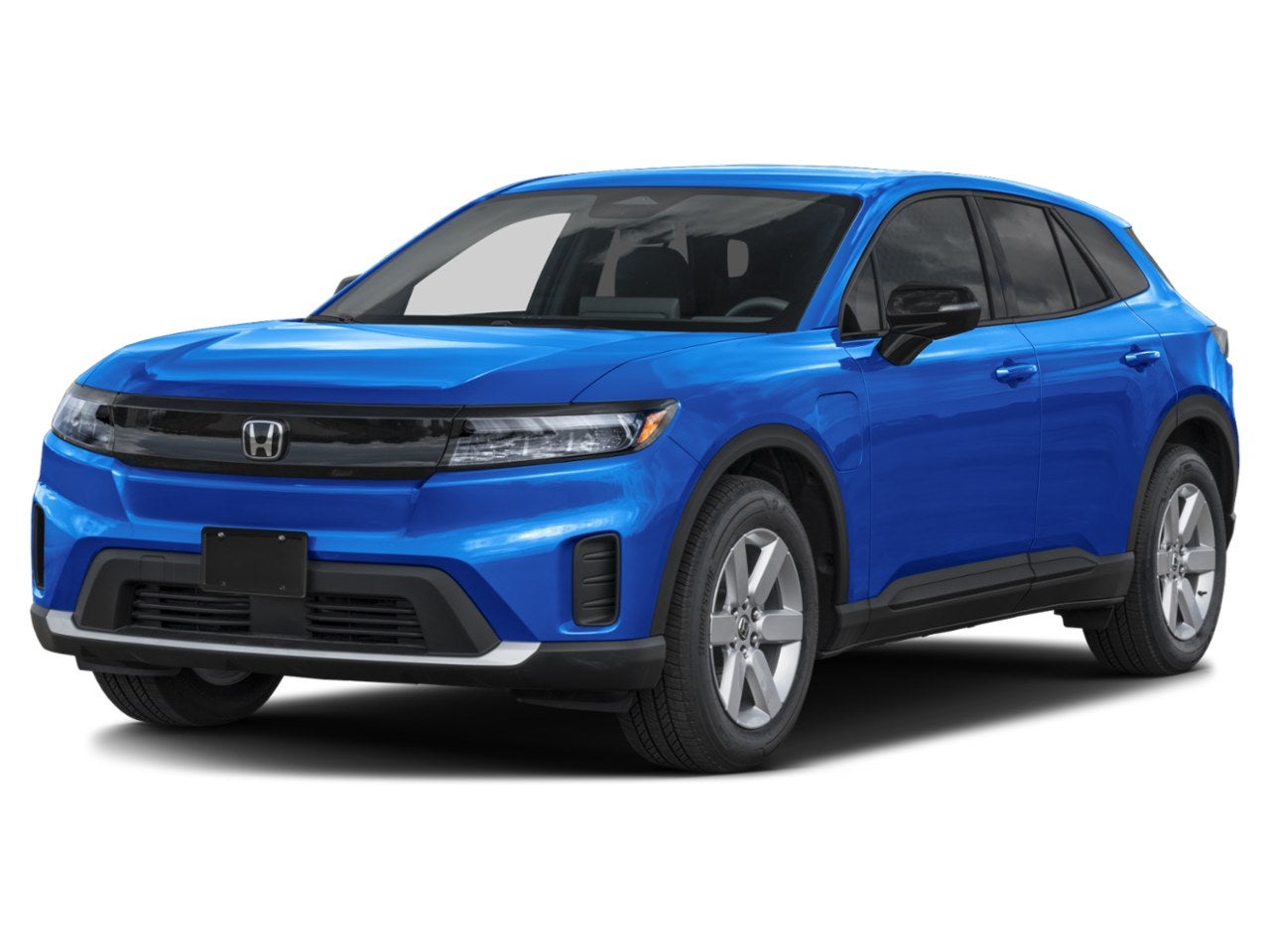
2026 Honda Prologue EX (AWD) front three-quarter exterior

A Beginner's Guide to Charging Your Honda Prologue at Home

THE SHORT ANSWER Most Honda Prologue owners charge at home overnight. A standard household outlet (Level 1) works, but a Level 2 charger installed by a licensed electrician is far more practical. Have your panel checked first, pick a charger that suits where you park, and set the car to charge during your utility's off-peak hours. Bringing home a Prologue changes one habit more than any other: instead of stopping for gas, you plug in where you park. For most drivers around Glen Head, that means a garage or driveway and an overnight charge that's ready before the morning run on the Northern State or the LIE. At North Shore Honda, we walk new owners through home charging regularly, and the basics are simpler than they look. IN THIS POST Level 1 or Level 2: Two Ways to Plug In Getting Your Home Ready Choosing a Level 2 Charger Building an Easy Charging Routine How Your Prologue Trim Affects Charging Winter, Care and Getting Help Key takeaways Level 1 or Level 2: Two Ways to Plug In Home charging comes in two flavors. Level 1 uses an ordinary 120-volt household outlet, the same kind your toaster uses. Level 2 runs on 240 volts, like an electric dryer or range, and delivers energy several times faster. Level 1 has a real place. It costs nothing to set up, and if your usual loop stays around Glen Head, Sea Cliff and Roslyn, a long overnight session can replace much of what you used. Its catch is pace. Miles come back slowly, so a long day, a cold snap or a weekend trip out east can leave you playing catch-up. Level 2 charging is what most owners end up living with. It turns the battery into something you rarely think about, because the car is usually back where you want it by morning, even after a busy day. If the Prologue will be your main vehicle, or you share it with someone who commutes into the city, plan on Level 2 from the start. Public fast chargers fill a different role. They're great on road trips, but leaning on them for daily driving costs more and eats up more of your time than plugging in at home. Getting Your Home Ready Before you shop for a charger, find out what your house can handle. Plenty of homes on the North Shore were built long before anyone imagined charging a car in the garage, and an older panel may not have room for a new dedicated circuit. A licensed electrician can look at your panel, your service capacity and the distance to where you park, then tell you what the job involves. Get that visit done first. It answers the questions that drive cost: whether you need a panel upgrade, how long the wire run is, and whether the charger can go on a garage wall or needs an outdoor-rated post by the driveway. Bring a short list to the appointment: Where you park now, and whether that might change Which way the car usually faces in the garage or driveway Whether you'd prefer a plug-in charger or a hardwired one Any other big loads on the way, such as a heat pump or hot tub Your town may require an electrical permit and inspection, and a good electrician will handle that paperwork. Condo and co-op owners should talk with the board early, since shared parking and building wiring add a step. It's also worth asking PSEG Long Island about home-charging programs or rate plans before the work starts, because those details change from year to year. Choosing a Level 2 Charger Chargers look alike on the shelf, but a few details separate a good fit from a frustrating one. Pick a unit that's safety certified by a recognized testing lab, such as UL, and rated for outdoor use if it'll live outside. Cord length matters more than people expect, so measure from the mounting spot to where the charge port will sit when you park, with slack to spare. What to look for A cord that reaches without stretching across the floor A holster or hook that keeps the cable off the ground Wi-Fi or app control, if you want usage tracking or utility programs A solid warranty and a brand with real customer support Hardwired or plug-in A plug-in charger connects to a heavy-duty outlet, so you can take it with you if you move. Hardwired units connect directly to the circuit, which some electricians prefer for a clean, weather-tight install outdoors. Either can work well, so let your electrician steer you based on your circuit. One more step before you buy: make sure the charger's connector matches your Prologue, or that you have the right adapter. If you're unsure, reach out to our team and we'll help you sort it out before you spend a dime. Building an Easy Charging Routine The habit that matters most is simple: plug in when you get home. Treat it like setting your phone on the nightstand, and you'll rarely give the battery a second thought. Scheduled charging is where home charging really pays off. Many utilities, including PSEG Long Island, offer time-of-use plans that charge less for electricity late at night. Set a charging window in the car or the charger's app, and the Prologue waits until rates drop before it starts. A few habits keep things smooth: Skip filling to the top for a normal day, and follow the charge-limit guidance in your owner's manual Raise the limit the night before a long drive, like a trip to the Hamptons or upstate Coil and hang the cable so nobody drives over it Glance at the app now and then to confirm a session actually started Errands along Route 107 and Northern Boulevard don't use much, so an evening at home usually brings you right back. If a night gets skipped, Level 2 makes up the difference quickly the next time you plug in. Over a few weeks, most owners find charging takes less of their attention than fueling ever did. How Your Prologue Trim Affects Charging Your choice of trim shapes how far each night's charge goes. Among 2026 models, the single-motor, front-wheel-drive EX (2WD) and Touring (2WD) are the most efficient of the lineup, rated at 104 MPGe combined. Elite (AWD) buyers give up a little, at 95 combined, in exchange for dual motors, all-wheel drive and its added equipment. In plain terms, a more efficient trim pulls fewer kilowatt-hours from your panel for the same drive. That shows up as a smaller electric bill over time and a bit more cushion after a short Level 1 session. The dual-motor EX (AWD) and Touring (AWD) add power and all-wheel-drive traction, which many Long Island drivers appreciate on snowy or icy mornings. They land between the two-wheel-drive models and the Elite on efficiency. If winter grip matters to you, that small gap is easy to live with on a home-charging routine. Numbers only tell part of the story, and how a car feels on your own commute counts just as much. The best way to judge is behind the wheel, so book a test drive and compare a single-motor and a dual-motor Prologue on roads you actually use. Winter, Care and Getting Help Cold weather is the one time home charging needs a little more thought. Batteries work less efficiently when they're cold, so a January morning will show fewer miles than a mild fall day. Parking in a garage helps, and so does preconditioning: warming the cabin and battery while the car is still plugged in, so that energy comes from the wall instead of the battery. Day-to-day care is light. Look over the cable and connector now and then for cuts, crushed spots or debris, and keep the port door clear of ice and road salt. If the charger trips a breaker more than once, have your electrician take a look. Electric vehicles still need tire rotations, brake inspections and cabin filter changes. When it's time, you can book service with us and we'll keep your Prologue on track. Our philosophy at North Shore Honda is fair, easy, honest and sincere, and it applies to questions as much as to sales. We'd rather you leave understanding how charging fits your home than feeling rushed into anything. Stop by Glen Head, bring your questions about your garage or driveway, and we'll talk it through. Where 611 Glen Cove Rd Glen Head, NY Call (516) 629-5612 KEY TAKEAWAYS A standard outlet works in a pinch, but a Level 2 charger makes overnight charging fit a normal week. Have a licensed electrician check your panel and pull any permit before you buy hardware. Scheduled off-peak charging and cabin preconditioning make the biggest everyday difference. FAQ Common questions Can I charge my Prologue from a regular household outlet? Yes. Level 1 charging from a standard outlet works and costs nothing to set up. It's slow, though, so it suits short daily driving better than long commutes or road trips. Plug directly into a properly grounded outlet rather than a household extension cord. Do I need a permit to install a Level 2 charger? Many towns require an electrical permit and inspection for a new 240-volt circuit. A licensed electrician will know the local rules and can usually handle the paperwork for you. Should I charge to full every night? For everyday driving, follow the charge-limit guidance in your owner's manual and set a daily limit in the car or app. Raise it the night before a long trip so you leave with the most range available. Is it safe to charge outside in rain or snow? Certified Level 2 chargers and vehicle connectors are designed to handle wet weather when properly installed. Choose an outdoor-rated unit, keep the connector clear of ice and debris, and have a licensed electrician do the installation. Want to see it in person? Come by for a test drive, or browse what is on the lot right now. Schedule a test drive Browse new inventory Or call (516) 629-5612 · 611 Glen Cove Rd, Glen Head Or keep browsing Current offers Financing Value your trade Book service Contact us Used cars