
Blog

Honda Passport or CR-V: Picking the Right Size for Glen Head

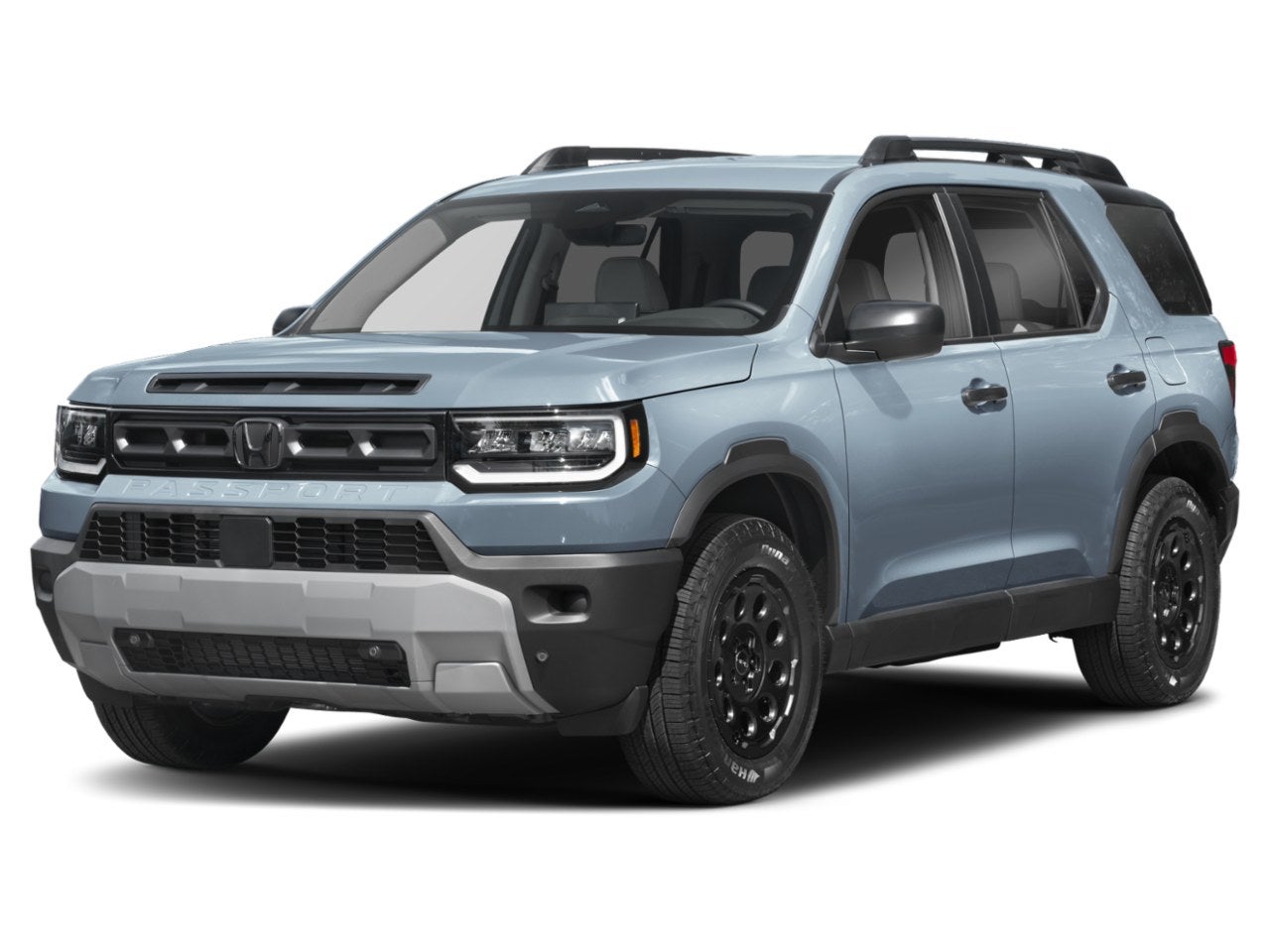
2026 Honda Passport RTL Blackout front three-quarter exterior
THE SHORT ANSWER
Choose the CR-V if your days are mostly commuting, errands and tight parking, and you want lower running costs. Choose the 2027 Passport if you regularly haul gear, tow or want more power, since every trim pairs a 285-horsepower V6 with all-wheel drive and 44 cubic feet of cargo space.

Choosing between the Honda CR-V and the Honda Passport usually comes down to one question: how much vehicle do you actually need? Around Glen Head, that answer depends on narrow village streets, packed station lots, beach weekends and Long Island winters. At North Shore Honda, we help shoppers sort this out all the time, and a few honest questions settle it faster than any brochure.

Compact vs. Midsize, in Plain Terms

Think of the CR-V as Honda's compact SUV and the Passport as its bigger, more rugged midsize sibling. They share a badge and a reputation for lasting, but they're built for different days. One is tuned for errands, commuting and easy parking. Its sibling is meant to carry more, pull more and shrug off rougher roads.

Under the hood, the 2027 Passport uses a 3.5-liter V6 making 285 horsepower. That's a real step up in muscle, and you feel it merging onto the Long Island Expressway with a full load. A CR-V wins you over in other ways, with a smaller footprint, a lighter feel and lower running costs.

Neither one is the "better" Honda. The right answer depends on what your week actually looks like, and it's worth being honest about that before you fall for either. Browsing our new Honda inventory is a quick way to see what's on hand for both.

How Size Plays Out Around Glen Head

Size isn't abstract here. Picture where you park most: a narrow driveway on a Sea Cliff hill, a tight spot in Roslyn village, or the Glen Head station lot before the morning train. A vehicle that feels great on an open road can feel like a chore in those places.

Where the CR-V feels right

  • Older homes with one-car garages or shared driveways
  • Daily stop-and-go along Glen Cove Road and Route 25A
  • Commuters who mostly carry themselves, a laptop bag and groceries

Where the Passport earns its keep

  • Weekends hauling beach gear to Tappen Beach or kayaks down to the Sound
  • Longer trips on the Northern State with a packed cargo area
  • Families who regularly fill the back with sports equipment and a dog or two

Driving both on roads you know is the quickest way to settle it. When you book a test drive, ask to pull each one into a tight lot and practice parking it. Ten minutes of that tells you more than any measurement.

What the Passport's Extra Size Gets You

Cargo is where the bigger body pays off. The Passport offers 44 cubic feet of cargo space, and that holds across every trim, so you don't give up room by moving up the lineup. Bring a stroller, a cooler and a couple of folding chairs, and the difference shows quickly.

That V6 is the other half of the story. It stays relaxed with passengers and gear aboard, and it doesn't strain on the climbs around Hempstead Harbor.

Standard all-wheel drive matters too. When a nor'easter leaves slush on Glen Head Road or the side streets near the water haven't been plowed yet, you'll appreciate that every Passport sends power to all four wheels. A CR-V can be equipped with all-wheel drive, but on the Passport you never have to go looking for it.

Of course, there's a trade-off. A larger vehicle takes more room to park and burns more fuel, and those costs are worth weighing honestly before you decide.

Sorting Through the 2027 Passport Trims

2026 Honda Passport rear three-quarter exterior

Honda keeps the Passport lineup focused, and the engine and drivetrain don't change from one trim to the next. Pricing starts at $45,195 for the RTL and runs to $55,195 for the TrailSport Elite Blackout.

  • RTL: the starting point, with the full engine and cargo room
  • RTL Towing: aimed at buyers who pull a trailer
  • TrailSport: the trail-oriented version, a natural fit for gravel lots and beach access roads
  • TrailSport Blackout: TrailSport with a darker look
  • TrailSport Elite: the more fully equipped TrailSport
  • TrailSport Elite Blackout: the top of the lineup

One detail is easy to miss: the Blackout and Elite trims carry slightly lower fuel economy ratings than the RTL, RTL Towing and TrailSport. If you mostly commute, that small gap adds up over years of ownership.

Pull a boat or small camper in the summer? Then the RTL Towing deserves a close look, since it costs only a little more than the RTL. Seeing the trims in person helps too, because styling differences come through much better on the lot than in photos.

Fuel, Budget and Day-to-Day Costs

2026 Honda Passport side exterior

Passport RTL, RTL Towing and TrailSport models earn a 21 mpg combined rating, while the Blackout and Elite versions land at 20 combined. On the highway, those ratings climb to 25 and 23, which helps on longer runs out east.

A CR-V will generally cost you less at the pump and less at the register. That's the core of its appeal. If you rarely need the extra room or muscle, the smaller Honda keeps more money in your pocket month after month.

Look past the sticker, too. Insurance, tire replacement and the total you'll pay over a full loan or lease term all shift with the size of the vehicle. Our team can walk you through financing options for either model and lay them side by side, though approval and terms always depend on your credit and the lender.

A practical tip: estimate your real weekly mileage before you shop. Short hops around Glen Head and Glen Cove narrow the fuel gap, while daily drives into the city widen it.

A Simple Way to Decide

Before you visit, answer a few honest questions:

  • How often do you fill the cargo area, most weeks or just a few times a year?
  • Will you tow anything, even a small trailer?
  • Where does the vehicle sleep at night, and how tight is that space?
  • Is fuel cost a priority, or is capability worth paying for?

If most answers point toward space, towing and power, the Passport is your Honda. When they lean toward easy parking and lower costs, the CR-V makes more sense, and plenty of North Shore drivers end up happier for choosing the smaller one. Buying more vehicle than you use isn't a virtue.

We're family-owned and operated, and we've served this community for more than 35 years. Customers are treated as part of the North Shore Honda family, so expect a straight conversation rather than a push toward the pricier option. If you're replacing a current car, it helps to value your trade first so you know where you stand before you compare payments.

Where
611 Glen Cove Rd
Glen Head, NY
KEY TAKEAWAYS
  • The CR-V suits tight Glen Head parking, daily commuting and a smaller budget.
  • Every 2027 Passport trim has the same V6, all-wheel drive and cargo room, with prices from $45,195 to $55,195.
  • Drive both on roads you know and practice parking each before you decide.
FAQ

Common questions

Is all-wheel drive standard on the 2027 Honda Passport?

Yes. Every 2027 Passport trim, from the RTL through the TrailSport Elite Blackout, comes with all-wheel drive, so you don't need to pay extra for it.

Which 2027 Passport trim gets the best fuel economy?

The RTL, RTL Towing and TrailSport share the best ratings in the lineup at 19 mpg city, 25 highway and 21 combined. The Blackout and Elite trims are rated a little lower.

Is the Passport worth the extra money over a CR-V?

It is if you regularly use what it adds: more cargo room, V6 power, standard all-wheel drive and a trim built for towing. If your driving is mostly commuting and errands around town, a CR-V usually makes better financial sense.

Can I drive a Passport and a CR-V back to back?

That's the best way to compare them. Contact us ahead of time with the trims you're curious about, and we'll do our best to have both ready so you can try them on the same familiar roads.
Want to see it in person?
Come by for a test drive, or browse what is on the lot right now.
Or call (516) 629-5612 · 611 Glen Cove Rd, Glen Head

Recommended Posts

2026 Honda Prologue EX (AWD) front three-quarter exterior

A Beginner's Guide to Charging Your Honda Prologue at Home

THE SHORT ANSWER Most Honda Prologue owners charge at home overnight. A standard household outlet (Level 1) works, but a Level 2 charger installed by a licensed electrician is far more practical. Have your panel checked first, pick a charger that suits where you park, and set the car to charge during your utility's off-peak hours. Bringing home a Prologue changes one habit more than any other: instead of stopping for gas, you plug in where you park. For most drivers around Glen Head, that means a garage or driveway and an overnight charge that's ready before the morning run on the Northern State or the LIE. At North Shore Honda, we walk new owners through home charging regularly, and the basics are simpler than they look. IN THIS POST Level 1 or Level 2: Two Ways to Plug In Getting Your Home Ready Choosing a Level 2 Charger Building an Easy Charging Routine How Your Prologue Trim Affects Charging Winter, Care and Getting Help Key takeaways Level 1 or Level 2: Two Ways to Plug In Home charging comes in two flavors. Level 1 uses an ordinary 120-volt household outlet, the same kind your toaster uses. Level 2 runs on 240 volts, like an electric dryer or range, and delivers energy several times faster. Level 1 has a real place. It costs nothing to set up, and if your usual loop stays around Glen Head, Sea Cliff and Roslyn, a long overnight session can replace much of what you used. Its catch is pace. Miles come back slowly, so a long day, a cold snap or a weekend trip out east can leave you playing catch-up. Level 2 charging is what most owners end up living with. It turns the battery into something you rarely think about, because the car is usually back where you want it by morning, even after a busy day. If the Prologue will be your main vehicle, or you share it with someone who commutes into the city, plan on Level 2 from the start. Public fast chargers fill a different role. They're great on road trips, but leaning on them for daily driving costs more and eats up more of your time than plugging in at home. Getting Your Home Ready Before you shop for a charger, find out what your house can handle. Plenty of homes on the North Shore were built long before anyone imagined charging a car in the garage, and an older panel may not have room for a new dedicated circuit. A licensed electrician can look at your panel, your service capacity and the distance to where you park, then tell you what the job involves. Get that visit done first. It answers the questions that drive cost: whether you need a panel upgrade, how long the wire run is, and whether the charger can go on a garage wall or needs an outdoor-rated post by the driveway. Bring a short list to the appointment: Where you park now, and whether that might change Which way the car usually faces in the garage or driveway Whether you'd prefer a plug-in charger or a hardwired one Any other big loads on the way, such as a heat pump or hot tub Your town may require an electrical permit and inspection, and a good electrician will handle that paperwork. Condo and co-op owners should talk with the board early, since shared parking and building wiring add a step. It's also worth asking PSEG Long Island about home-charging programs or rate plans before the work starts, because those details change from year to year. Choosing a Level 2 Charger Chargers look alike on the shelf, but a few details separate a good fit from a frustrating one. Pick a unit that's safety certified by a recognized testing lab, such as UL, and rated for outdoor use if it'll live outside. Cord length matters more than people expect, so measure from the mounting spot to where the charge port will sit when you park, with slack to spare. What to look for A cord that reaches without stretching across the floor A holster or hook that keeps the cable off the ground Wi-Fi or app control, if you want usage tracking or utility programs A solid warranty and a brand with real customer support Hardwired or plug-in A plug-in charger connects to a heavy-duty outlet, so you can take it with you if you move. Hardwired units connect directly to the circuit, which some electricians prefer for a clean, weather-tight install outdoors. Either can work well, so let your electrician steer you based on your circuit. One more step before you buy: make sure the charger's connector matches your Prologue, or that you have the right adapter. If you're unsure, reach out to our team and we'll help you sort it out before you spend a dime. Building an Easy Charging Routine The habit that matters most is simple: plug in when you get home. Treat it like setting your phone on the nightstand, and you'll rarely give the battery a second thought. Scheduled charging is where home charging really pays off. Many utilities, including PSEG Long Island, offer time-of-use plans that charge less for electricity late at night. Set a charging window in the car or the charger's app, and the Prologue waits until rates drop before it starts. A few habits keep things smooth: Skip filling to the top for a normal day, and follow the charge-limit guidance in your owner's manual Raise the limit the night before a long drive, like a trip to the Hamptons or upstate Coil and hang the cable so nobody drives over it Glance at the app now and then to confirm a session actually started Errands along Route 107 and Northern Boulevard don't use much, so an evening at home usually brings you right back. If a night gets skipped, Level 2 makes up the difference quickly the next time you plug in. Over a few weeks, most owners find charging takes less of their attention than fueling ever did. How Your Prologue Trim Affects Charging Your choice of trim shapes how far each night's charge goes. Among 2026 models, the single-motor, front-wheel-drive EX (2WD) and Touring (2WD) are the most efficient of the lineup, rated at 104 MPGe combined. Elite (AWD) buyers give up a little, at 95 combined, in exchange for dual motors, all-wheel drive and its added equipment. In plain terms, a more efficient trim pulls fewer kilowatt-hours from your panel for the same drive. That shows up as a smaller electric bill over time and a bit more cushion after a short Level 1 session. The dual-motor EX (AWD) and Touring (AWD) add power and all-wheel-drive traction, which many Long Island drivers appreciate on snowy or icy mornings. They land between the two-wheel-drive models and the Elite on efficiency. If winter grip matters to you, that small gap is easy to live with on a home-charging routine. Numbers only tell part of the story, and how a car feels on your own commute counts just as much. The best way to judge is behind the wheel, so book a test drive and compare a single-motor and a dual-motor Prologue on roads you actually use. Winter, Care and Getting Help Cold weather is the one time home charging needs a little more thought. Batteries work less efficiently when they're cold, so a January morning will show fewer miles than a mild fall day. Parking in a garage helps, and so does preconditioning: warming the cabin and battery while the car is still plugged in, so that energy comes from the wall instead of the battery. Day-to-day care is light. Look over the cable and connector now and then for cuts, crushed spots or debris, and keep the port door clear of ice and road salt. If the charger trips a breaker more than once, have your electrician take a look. Electric vehicles still need tire rotations, brake inspections and cabin filter changes. When it's time, you can book service with us and we'll keep your Prologue on track. Our philosophy at North Shore Honda is fair, easy, honest and sincere, and it applies to questions as much as to sales. We'd rather you leave understanding how charging fits your home than feeling rushed into anything. Stop by Glen Head, bring your questions about your garage or driveway, and we'll talk it through. Where 611 Glen Cove Rd Glen Head, NY Call (516) 629-5612 KEY TAKEAWAYS A standard outlet works in a pinch, but a Level 2 charger makes overnight charging fit a normal week. Have a licensed electrician check your panel and pull any permit before you buy hardware. Scheduled off-peak charging and cabin preconditioning make the biggest everyday difference. FAQ Common questions Can I charge my Prologue from a regular household outlet? Yes. Level 1 charging from a standard outlet works and costs nothing to set up. It's slow, though, so it suits short daily driving better than long commutes or road trips. Plug directly into a properly grounded outlet rather than a household extension cord. Do I need a permit to install a Level 2 charger? Many towns require an electrical permit and inspection for a new 240-volt circuit. A licensed electrician will know the local rules and can usually handle the paperwork for you. Should I charge to full every night? For everyday driving, follow the charge-limit guidance in your owner's manual and set a daily limit in the car or app. Raise it the night before a long trip so you leave with the most range available. Is it safe to charge outside in rain or snow? Certified Level 2 chargers and vehicle connectors are designed to handle wet weather when properly installed. Choose an outdoor-rated unit, keep the connector clear of ice and debris, and have a licensed electrician do the installation. Want to see it in person? Come by for a test drive, or browse what is on the lot right now. Schedule a test drive Browse new inventory Or call (516) 629-5612 · 611 Glen Cove Rd, Glen Head Or keep browsing Current offers Financing Value your trade Book service Contact us Used cars

Your Honda Civic Test Drive Checklist

Your Honda Civic Test Drive Checklist

THE SHORT ANSWER Plan to spend 30 to 45 minutes behind the wheel. Set up the seat and mirrors before you move, and drive a route that includes your real commute, a highway stretch and a tight parking lot. Along the way, test the comfort, visibility, tech and driver-assist features you'll live with every day, then drive one other trim or body style to compare. Wondering what you should actually check on a Honda Civic test drive, beyond a quick lap around the block? A good drive comes down to a short checklist: set the car up properly, drive the roads you really use, and pay attention to a few specific things. Here's the one we'd hand a friend shopping with us at North Shore Honda in Glen Head, NY, ordered from the basics to the tip most people skip. $24,695 Starting MSRP 41 mpg EPA highway 14.8 cu ft Cargo space 2026 Honda Civic, from its published specifications. IN THIS POST What should I do before the day of the test drive? What should I check before I even start the engine? Where should I drive during a Civic test drive? What should I pay attention to while I'm driving? How do I test the tech and safety features? Should I test drive more than one trim or body style? What should I do right after the test drive? What's the expert test drive tip most shoppers skip? Key takeaways What should I do before the day of the test drive? Start by picking one or two Civics you're curious about, then book a test drive so the car is ready, clean and fueled when you arrive. Booking ahead also means someone can set aside real time for you rather than squeezing you in between appointments. Bring a few things that make the drive more useful: Your driver's license and proof of insurance Your phone and the cable you normally use Anyone who regularly rides with you, especially a tall passenger A child seat, if you use one A short list of your must-haves and deal-breakers That last item matters more than it sounds. Write down what bugs you about your current car, whether that's road noise, a hard-to-see blind spot or a cramped back seat. Those notes give you a personal scorecard, so you're judging the Civic against your own life instead of a brochure. North Shore Honda is family-owned and operated, and its philosophy is fair, easy, honest and sincere. In practice, that means you can ask for a longer drive or a second car without feeling like you're imposing. What should I check before I even start the engine? Take five unhurried minutes in the driver's seat before you pull out. Adjust the seat height, distance and backrest, then set the steering wheel and all three mirrors. A test drive feels very different when your driving position is right, and a car that never gets comfortable after five minutes of adjusting is telling you something. Next, check your sightlines. Look over your shoulder at both rear corners, glance through the back window and notice how much of the hood you can see. Low, sleek cars like the Civic can feel different here from a crossover or an older sedan, so make sure you're at ease. Then do your tech setup while you're still parked. Pair your phone over Bluetooth, plug in for smartphone mirroring if your trim offers it, and try one voice command. Set a destination so you aren't figuring out the screen at a stoplight. Finally, sit in the back seat behind your own driving position. Knee room, headroom and how easily you climb in and out are hard to judge from the front, and your passengers will notice right away. Where should I drive during a Civic test drive? Skip the quick loop around the dealership. A route that shows you how the car behaves needs a mix of road types, and around Glen Head you can find most of them within a few miles. Build your route around these Stop-and-go local streets, where you'll notice throttle response and brake feel A stretch of Northern Boulevard or Glen Cove Road with traffic lights and lane changes A highway on-ramp, ideally onto the Long Island Expressway, to feel a real merge Some rough or patched pavement to judge ride comfort and noise A busy parking lot to test turning, backing up and camera views Make it match your week If your commute runs down a particular road, ask to drive part of it. You already know how your current car feels there, so the comparison will be instant and honest. Tell your salesperson what you'd like to cover before you leave. That way the route gets planned together, and you won't end up turning back just before the stretch you cared about most. What should I pay attention to while I'm driving? Focus on how the car responds to you, one area at a time. Trying to notice everything at once usually means you notice nothing. Acceleration comes first. Most Civics use a continuously variable transmission, which delivers power smoothly rather than through noticeable gear shifts. Pay attention to whether that feels natural to you when you pull away from a light and when you merge. Sportier versions offer a manual, so if you enjoy shifting yourself, ask about that too. On braking, check that the pedal feels predictable and that you can stop smoothly without a lurch. Through corners, the steering should feel steady and the car should go where you point it without much correction. Noise and comfort are easy to overlook. Turn the radio off for part of the drive and listen to the tires, wind and engine at highway speed. Ride quality over bumps matters most if your roads are rough, so notice whether a pothole is a dull thud or a sharp jolt. Say your impressions out loud as you go. You'll remember them better, and you can ask questions on the spot. How do I test the tech and safety features? Modern Civics come with a suite of Honda driver-assist features, and the details vary by trim and model year. Ask which ones are on the car you're driving, then try them in the right setting instead of just reading about them. On the highway, try adaptive cruise control and get a feel for how it keeps a gap to the car ahead. If lane-keeping assist is available, notice how it nudges the steering. Some drivers love it, and others prefer it set lighter, so learn how to adjust or switch it off before you decide how you feel. Back in town, use the rearview camera while parking and see how clear the image is in the day's light. If the car has blind-spot information, change lanes and watch for the alert. Give the infotainment screen a real workout too: Make a hands-free call Ask for directions with your voice Switch music sources Find the climate controls without looking for long Physical knobs and buttons you can reach easily make a big difference over years of ownership. Should I test drive more than one trim or body style? Yes, if you can. Driving two Civics back to back is the quickest way to learn what actually matters to you, because differences that sound minor on paper often turn out to be obvious behind the wheel. The Civic comes as a sedan and a hatchback, and depending on the year, you'll also find hybrid, sporty and performance-focused versions. The hatchback's rear opening is far more practical for bikes, strollers or bulky boxes, while some people simply prefer the sedan's look. A hybrid feels different in traffic, particularly when pulling away quietly. Sportier trims usually trade some softness for sharper handling. Trim levels also change what you'll use daily: seat material, wheel size, the audio system and the size of the center screen. Larger wheels can look great and still make the ride a little firmer, which is worth feeling for yourself. Before your visit, browse the new Civic inventory to see which versions are on the lot. If two catch your eye, ask to drive both on the same route so the comparison is fair. What should I do right after the test drive? Take a few minutes to jot down your impressions while they're fresh. Rate comfort, visibility, noise, tech and how the car drove on your route, using the scorecard you brought from home. People who skip this step often blur two cars together a day later. Ask the questions that came up during the drive. Which features were on that particular car? What changes from one trim to the next? If something felt odd, ask whether it's normal or something a setting can change. If you're leaning toward a Civic, this is a natural moment to understand the numbers side without committing to anything. You can value your trade to get a sense of what your current car might be worth. Financing questions are fair game too, though any terms depend on a lender's review of your application, so treat early estimates as a starting point, not a promise. At North Shore Honda, customers are treated as part of the North Shore Honda family. Taking the car home to think it over is completely fine. A good test drive should leave you clearer, not pressured. What's the expert test drive tip most shoppers skip? Drive the car the way you'll own it, not the way you'd show it off. Most people judge a Civic on a sunny midday loop with an empty back seat, and then discover the real-life stuff later. Recreate your actual week Put your real gear in the trunk or hatch, such as a golf bag, a stroller or the cooler you take to the beach. If you use a child seat, install it and see how easily the buckles reach and whether the front passenger still has room. Bring the people who ride with you most. If you can, schedule the drive at the time of day you usually commute, so the traffic and light are familiar. Check the details you'll touch daily Measure your garage or tight parking spot and think about how the car fits. Try reaching the cupholders, the phone tray and the charging port with your own coffee and phone. It's also worth comparing against a gently used model. Driving a certified pre-owned Civic alongside a new one shows how the car holds up over time, and helps you decide which features are worth paying for in your next Civic. Where 611 Glen Cove Rd Glen Head, NY Call (516) 629-5612 KEY TAKEAWAYS Set the car up and connect your phone before you leave the lot, so you're judging the car instead of fumbling with it. Drive the roads you actually use, including highway merges, rough pavement and tight parking. Recreate your real life in the car: your gear, your passengers, your car seat, your commute. FAQ Common questions How long should a Honda Civic test drive take? Plan on about 30 to 45 minutes of driving, plus some time to set up the car beforehand and talk afterward. That's enough to cover local streets, a highway merge and parking. If you're comparing two versions, leave extra time so you can drive both on the same route. Can I test drive a Civic alone? Policies vary by dealership and situation, so ask when you schedule. Driving with a salesperson has its benefits, since they can explain features on the spot and help with settings. What matters most is that you get enough time behind the wheel to form your own opinion. Do I need to decide on financing before a test drive? No. A test drive is about finding the right car first. If you want to explore financing afterward, you can talk through options, but approval and terms always depend on a lender's review of your application. Getting a rough sense of your budget beforehand can still help you focus on the right trims. Want to see it in person? Come by for a test drive, or browse what is on the lot right now. Schedule a test drive Browse new inventory Or call (516) 629-5612 · 611 Glen Cove Rd, Glen Head Or keep browsing Current offers Financing Value your trade Book service Contact us Used cars

Where to Drive for the View Near Glen Head

Where to Drive for the View Near Glen Head

THE SHORT ANSWER The best views near Glen Head are on the water. Mercadante Beach and Morgan Memorial Park give you open shoreline scenery with almost no walking, while Garvies Point Museum & Preserve and Welwyn Preserve reward a short hike with bluffs, woods and coastline. Go early in the morning or in the hour before sunset to see them at their best. You don't have to go far from Glen Head to find water, woods and big skies. A handful of nearby parks and preserves can turn a short drive into a real outing, as long as you know when to go and what each one offers. North Shore Honda has served its community for more than 35 years, and this is how we'd plan a scenic drive close to home. IN THIS POST What Makes a Drive Worth It Here Timing Matters More Than Distance Mercadante Beach: The Easy First Stop Morgan Memorial Park: Room to Linger Garvies Point Museum & Preserve: Bluffs and Backstory Welwyn Preserve and a Place for Reflection Building a Half-Day Loop Getting Your Car Ready for Coastal Drives Key takeaways What Makes a Drive Worth It Here Around Glen Head, the best views come from water and elevation working together. Land rises and falls as it nears the shore, so a few minutes behind the wheel can take you from tree-lined streets to an open stretch of shoreline. You don't need a long route to get a payoff, and that's what makes this area so good for short scenic trips. Think of a view drive as having two parts: the approach and the stop. Approaches here tend to be quiet and wooded, with glimpses of water through the trees. Stops are where you park, step out and let the scenery open up around you. Five places do most of the work: Mercadante Beach, for an easy look at the water Morgan Memorial Park, for open waterfront lawn Garvies Point Museum & Preserve, for bluffs and trails Welwyn Preserve, for woods that lead down to the shore Holocaust Memorial & Tolerance Center, a reflective stop on the Welwyn grounds Start with whichever fits the time you have and build from there. A first visit to one spot usually tells you which of the others you'll enjoy most, and that sense of what suits you is worth more than any fixed route. Timing Matters More Than Distance Light changes everything on the water. Midday sun flattens color and throws glare across the surface, while the first and last hour of daylight turns the same view warm and soft. If you take only one piece of advice, plan around the clock rather than the map. Seasons shift the experience too. Spring and fall bring cooler air and thinner crowds, and bare branches in late fall and winter open sightlines you'd never get in July. Summer is lively and green, but parking near the shore gets tighter on warm weekends. A quick weather check before you leave pays off: Clear days right after a storm passes tend to be the crispest Light haze can make sunsets more colorful Fog is beautiful up close but hides the far shore Wind makes the waterfront feel colder than it does in town Weekday mornings are the easiest way to have these places nearly to yourself. You'll find calmer lots, quieter paths and soft early light, often before most people have finished breakfast. Evenings are the trade-off: busier, but with the chance of a sunset that makes the whole trip. Mercadante Beach: The Easy First Stop If you're new to the area or short on time, Mercadante Beach is a gentle place to begin. A visit here is simple: park, walk a short way and you're looking out over the water. Kids, older passengers and anyone who doesn't want a hike will be comfortable. Plan your stop around light rather than a schedule. A calm morning or a clear evening rewards you most, and a light jacket helps even in summer, since the breeze off the water can feel cool. Sit for a few minutes once you arrive; the scene keeps changing as boats and clouds move. Making the most of a short visit Walk to the water's edge before you settle anywhere. From there, look along the shoreline in both directions, because the curve of the coast often makes a better picture than staring straight out. Seasonal rules on parking or beach access can apply in busy months, so check them before you go and follow posted signs. A quick stop here also makes a good warm-up for a longer walk later in your day, letting everyone stretch their legs before something more involved. Morgan Memorial Park: Room to Linger Morgan Memorial Park gives you a wide, open look at the water from a green, park-like setting. It suits a picnic, a slow stroll or simply sitting on a bench while the light shifts. Because it's built for relaxing rather than hiking, it's a smart pick when you're traveling with a mixed group. Open lawn is what sets it apart. Unlike a wooded preserve, nothing blocks your sightline, so you can watch weather roll in or boats cross the water without hunting for a clearing. Sunset visits feel especially rewarding when the sky clears late in the day. When to arrive Get there roughly an hour before sunset. That gives you time to park, find a spot and watch the color build, instead of catching only the last few minutes from the car. Treat this as a place to slow down. Pack a thermos or a simple meal, set aside an hour and let the view do the work. It pairs naturally with Mercadante Beach on the same outing if you'd like two different takes on the waterfront, one sandy and one green. Garvies Point Museum & Preserve: Bluffs and Backstory For something with more texture, head to Garvies Point Museum & Preserve. Trails wind through woodland and along bluffs above the shore, so the views come in layers: shade and trees first, then sudden openings over the water. Of all these spots, it most rewards a pair of good walking shoes. The preserve Expect natural paths rather than pavement, with some ups and downs along the way. Stay on marked trails, since bluff edges can be soft and wear away over time. Morning light on the bluffs is lovely, and cooler hours make the climbs more comfortable. The museum Inside, exhibits focus on the region's geology and Native American history, which adds real meaning to the landscape you just walked. Learning how the shoreline formed changes the way you read those bluffs on the way back out. Check hours before you go, because museum schedules and trail access don't always line up. Give yourself longer here than at the beach or the park. A couple of hours lets you walk the trails and see the museum without rushing either one. Welwyn Preserve and a Place for Reflection Welwyn Preserve offers a quieter, more wooded walk, with trails that lead through forest toward the shoreline. Its payoff feels earned: you spend time under the canopy, then the trees thin and the water appears. Birdwatchers and anyone who likes a hushed trail will feel right at home. Paths can turn muddy after rain, and roots and slopes call for steady footing. Wear shoes you don't mind getting dirty, and take time to stop and look rather than racing to the water. A reflective stop on the same grounds The Holocaust Memorial & Tolerance Center sits on the Welwyn grounds, and it deserves its own unhurried visit. It isn't a scenic stop in the usual sense; it's a place for learning and reflection. Many visitors find that pairing it with a quiet walk gives the day a more thoughtful shape. If you plan to go inside, check visiting hours ahead of time. Keep voices low and phones put away, and treat the space with the respect it calls for. Older kids may get a lot from the visit, but it's worth talking with them beforehand about what they'll see. Building a Half-Day Loop Once you know the stops, the fun is in combining them. They sit close together, so you can link two or three in a morning or afternoon without spending much time in the car. Match the mix to the people riding with you. Three easy combinations Easy waterfront: Mercadante Beach, then Morgan Memorial Park for a picnic Active outing: the trails at Garvies Point Museum & Preserve, then the museum to cool off Quiet and thoughtful: Holocaust Memorial & Tolerance Center, then a walk through Welwyn Preserve Order makes a difference. Put the walking stop early while everyone has energy, and save the sit-down view for last so the day ends on a calm note. If you're chasing a sunset, make an open waterfront spot your final destination rather than a wooded trail where the trees block the sky. Keep the schedule loose. The best moments on drives like these tend to be unplanned, like a heron working the shallows or a break in the clouds, and a rigid itinerary leaves no room for them. Build in a little slack and let the day surprise you. Getting Your Car Ready for Coastal Drives Short scenic drives still ask something of your car. Narrow, winding roads near the shore, steep entrances into parking areas and stop-and-go weekend traffic all reward a vehicle in good shape. A few quick checks make the day smoother: Tire pressure and tread, especially heading into fall and winter Wipers and washer fluid, since salty air leaves a film on glass Brakes, which work harder on hills and in traffic Cargo room for a cooler, blankets or a bag for muddy shoes Coastal air is tough on a car over time. Rinse the underside after winter trips and wash off salt spray when you can. Driving with care Slow down on curves, watch for walkers and cyclists, and never stop in a travel lane to grab a photo. Pull fully into a lot or onto a legal shoulder first. If anything feels off, from a squeal when braking to a dashboard warning light, have it looked at before your outing. North Shore Honda offers online service scheduling, so you can book service around your plans instead of the other way around. Where 611 Glen Cove Rd Glen Head, NY Call (516) 629-5612 KEY TAKEAWAYS For the easiest water views, start with Mercadante Beach or Morgan Memorial Park; for trails and bluffs, choose Garvies Point or Welwyn. Plan around the light, not the distance, because every stop here is a short drive away. Scout a spot at midday, then come back for golden hour so you can walk straight to the best overlook. FAQ Common questions Which spot near Glen Head has the best view with the least walking? Mercadante Beach and Morgan Memorial Park are your best bets. At both, you can see the water within a short walk of where you park, which makes them comfortable for kids, older passengers and anyone who'd rather skip a trail. Can I visit several of these places in one trip? Yes. They're close enough together to link two or three into a half-day outing. Put the stop with the most walking first and finish at an open waterfront spot, especially if you're hoping to catch the sunset. What should I bring for a scenic drive and walk? Pack a light jacket for the breeze off the water, sturdy shoes for the preserve trails, water, a flashlight if you're staying past sunset, and a towel or bag for muddy footwear. Check hours and posted rules for any museum or preserve you plan to visit, since access can change by season. Want to see it in person? Come by for a test drive, or browse what is on the lot right now. Schedule a test drive Browse new inventory Or call (516) 629-5612 · 611 Glen Cove Rd, Glen Head Or keep browsing Current offers Financing Value your trade Book service Contact us Used cars