Blog / North Shore Honda Dealer

Blog

All North Shore Honda Dealer Model Features News Electric Vehicle Finance Glen Head Honda Dealer North Shore Honda Service
Honda

After-Summer Honda Service Priorities for Long Island Drivers

Keep Your Honda Road-Ready After a Long Island Summer Long Island summers are great for beach days at Jones Beach, late-night drives on Northern Boulevard, and long stretches of traffic on the LIE. All that stop-and-go driving, sand, heat, and idling can slowly wear on your Honda, even if it still feels fine. Late August is the perfect time to give your vehicle some attention so it stays ready for school runs, commutes, and weekend trips as routines pick up again. A focused after-summer check helps catch small problems before they grow into bigger ones. In this article, we will walk through smart fluid and filter checks, what to do for your tires and brakes, and how to prepare your lights, wipers, and safety systems for changing weather. If you live in places like Port Washington, Manhasset, Roslyn, or nearby North Shore towns, staying current on service can keep every drive smoother and safer. Beat the Heat Damage with Smart Fluid and Filter Checks Heat is hard on every fluid under the hood. Long days in traffic, quick trips around town, and holiday travel all put more stress on your engine and its systems. Engine oil and filter are a great place to start. High temperatures and idling can break down oil faster, which can lead to: Rougher engine performance More engine noise than usual Reduced protection for moving parts If you took extra trips this summer or sat in a lot of traffic, a late-summer oil and filter change is a smart move, even if you are not at your usual mileage interval yet. Coolant also works overtime when the weather is hot. It helps keep your engine at the right temperature. After a busy summer, a technician should: Check coolant level and condition Look for signs of leaks or stains around hoses and the radiator Make sure the thermostat and radiator are working properly If you noticed the temperature gauge creeping higher, strange smells, or steam, those are signs the cooling system needs attention. Other key fluids to have checked include: Transmission fluid for proper level, color, and signs of burning or contamination Brake fluid to help keep braking firm and responsive Power steering fluid for smooth steering feel without whining noises Summer also fills your air filters with dust, pollen, and sand. Cabin and engine air filters can clog and cause: Reduced airflow from the vents Musty or dusty smells in the cabin Lower fuel economy and strained engine breathing Swapping filters at the end of summer can bring fresher air inside and help your engine run more efficiently. Tires, Brakes, and Alignment for Back-to-School Traffic Your tires and brakes carry a lot of weight during summer. Hot pavement, heavy vacation loads, and long drives can all speed up wear. Late August is a smart time to have tires checked for: Tread depth and even wear across the tire Cracks, bulges, or damage from potholes or road debris Proper air pressure, since heat can cause pressure to rise or swing Rotating your tires before fall helps them wear more evenly, which can extend tire life and keep handling more stable when the roads get wet. Brakes work hard in stop-and-go beach-area traffic and city driving. A brake inspection should include: Brake pads, to see how much material is left Rotors, to check for grooves, scoring, or warping Brake lines and hardware for leaks or rust Warning signs that should never be ignored include squealing, grinding, vibration in the pedal, or longer stopping distances. Catching brake issues now can help keep school drop-offs and rush hour drives less stressful. Summer roads can also be rough. Potholes, construction zones, and bumpy roads near beaches can knock your wheels out of alignment. When alignment is off, you might notice: Your Honda pulling to one side A crooked steering wheel when driving straight Uneven or rapid tire wear An alignment and suspension check can bring back a smoother, more stable ride, which is very helpful when school buses return, days get shorter, and traffic patterns change across Long Island. Restore Visibility and Safety Systems Before Fall Storms Good visibility is one of the easiest ways to stay safe, especially as late-summer storms and shorter days return. Wiper blades often dry out and crack under the summer sun. If your wipers leave streaks, skip spots, or chatter across the windshield, they are probably due for replacement. It also helps to have the windshield checked for chips or cracks that could spread. A clear windshield and fresh washer fluid can make a big difference in heavy rain. Lights and signals are just as important. A quick check should cover: Headlights on low and high beam Brake lights and turn signals Reverse lights and any fog lights your Honda may have Cleaning cloudy lenses and replacing dim or burned-out bulbs helps other drivers see you sooner and helps you see the road better when it is dark or raining. If your Honda has driver-assist features, such as adaptive cruise control, lane-keeping assist, or collision mitigation braking, summer wear can affect them too. Any windshield work, small fender benders, or even certain suspension changes may require those systems to be inspected or calibrated so they keep working as designed. Heat can also weaken your battery over time, even if it still seems to start fine. Before cooler weather hits, a professional should: Test battery health and charging ability Inspect battery terminals for corrosion Check the alternator and charging system That way, you lower the chance of a surprise no-start on a chilly morning before work or school. Choose the Right Honda Service Team on Long Island When it is time to service your Honda after summer, the team you choose matters. A dealership service department that works with Honda vehicles every day knows the typical wear patterns, software updates, and maintenance needs for your specific model. Compared to a general repair shop or a basic Honda service center in Hicksville, this focused experience can help lead to more accurate checks and repairs using parts made to fit your vehicle. Location also plays a big role in how easy it is to stay on top of maintenance. For drivers near Port Washington, Great Neck, Glen Cove, Manhasset, or Roslyn, a nearby dealership service center can make routine visits feel less like a chore and more like a quick stop in your normal day. During an after-summer service visit, you should expect: A clear explanation of what will be checked A multipoint inspection that covers fluids, brakes, tires, and key systems Honest recommendations that prioritize safety and reliability Seasonal service specials and maintenance packages can help make it easier to keep up with regular care. By taking care of fluids, filters, tires, brakes, and visibility now, you reduce the chances of surprise breakdowns or bigger repair needs later in the year. A well-planned after-summer service helps protect your Honda, supports your family’s safety, and keeps every drive around Long Island a little more relaxed, no matter where the next season takes you. Keep Your Honda Running Smoothly With Expert Local Service If you are ready to stay ahead of maintenance and avoid surprise repairs, our Honda service center in Hicksville is here to help you plan every visit with confidence. At North Shore Honda, we follow Honda factory guidelines and use genuine parts so your vehicle keeps performing the way it should. Schedule your next service online or reach out with any questions through our contact page. We look forward to keeping your Honda in top shape for every mile ahead.
EV Delivery

EV Delivery Day Checklist in Port Washington: Verify Before You Drive Off

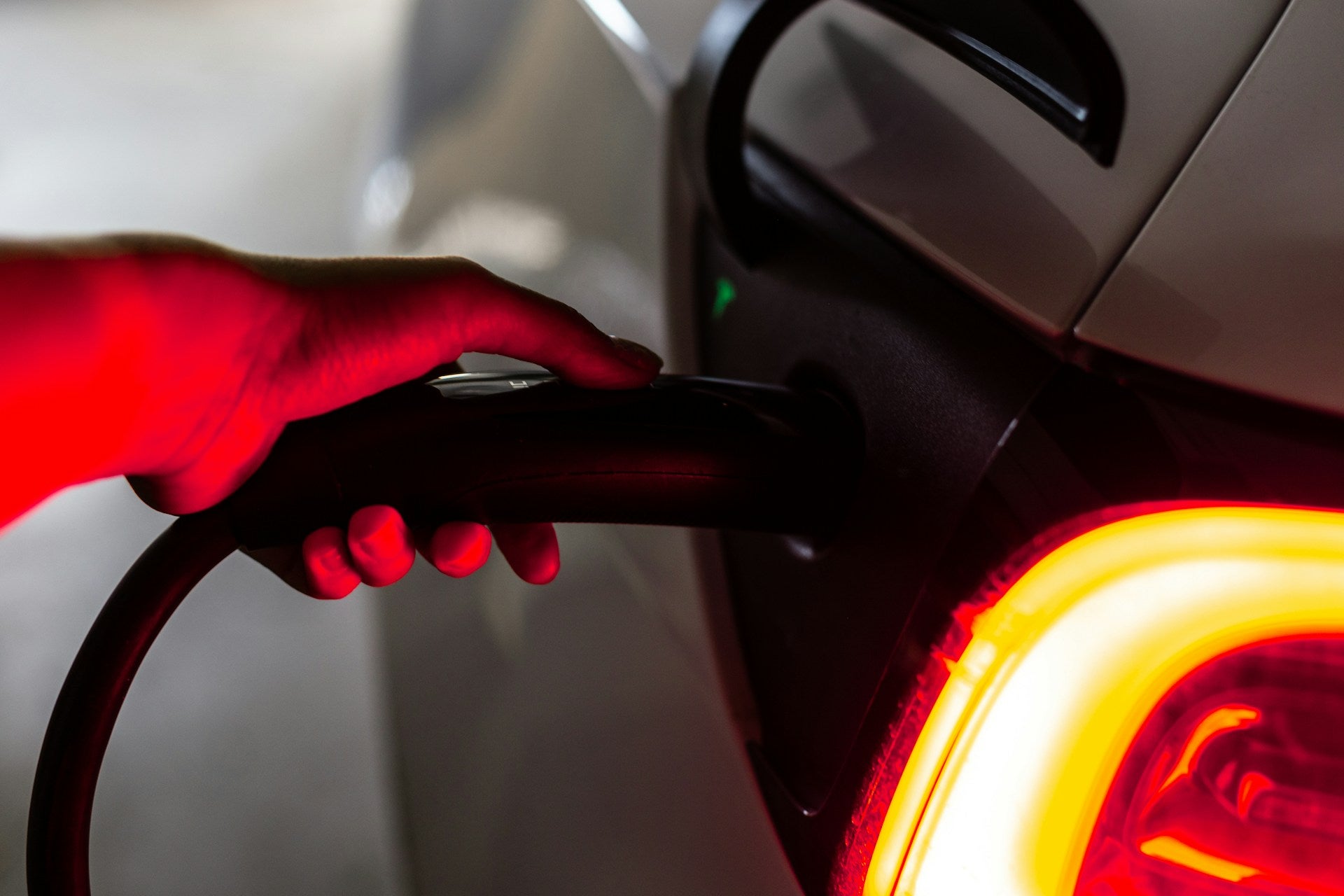
Make Your EV Delivery Day Easy and Stress-Free Picking up a new EV is exciting. You get quiet power, new tech, and a whole new way to think about driving. It can also feel like a lot to learn in a short visit at the dealership, especially if this is your first EV. A simple checklist keeps that excitement from turning into stress. When you know exactly what to ask and what to double-check, you leave feeling ready, not rushed. We will walk through the key things to go over at a Honda EV dealership in Port Washington, from charging and apps to cables, software, and tire protection, so you are set up from day one. Confirm Your Charging Setup Before Leaving the Lot Before you head off, make sure you understand how you will charge at home and around town. A few minutes here can save a lot of confusion later. Start with your home setup: Ask about Level 1 charging, which uses a standard household outlet, and how long it usually takes. Talk about Level 2 charging and what kind of outlet or wall unit it needs. Share what outlets you currently have in your garage or driveway so you know if you should have an electrician visit. Next, go over public charging. Your EV specialist can show you: How to spot nearby chargers around Port Washington and the rest of Long Island. Where faster chargers are located along your normal commute or weekend routes. Any recommended networks that work well with your Honda EV. Before you leave, make a short-term plan. For your first week: Pick one or two public charging spots you know you can rely on. Understand roughly how long a typical charge will take for your model. Decide when you will do your first full or near-full charge so you are not guessing on range. Pair Your Apps and Learn Your EV Tech Features Your phone and your EV work best when they are set up together before you pull out of the lot. Take your time with this part. Ask your specialist to help set up the official Honda app on your phone. While you are still at the dealership, check that: Remote lock and unlock work. Climate preconditioning turns the A/C or heat on while the car is still plugged in. You can see charge status and location for your vehicle in the app. Then link any recommended charging and navigation accounts. Make sure: Your payment methods are added and ready. Your in-vehicle navigation can send you to nearby chargers without extra steps. You know which apps you actually need for your daily driving and which ones are just optional. Spend a few minutes customizing your driving settings: Ask how to switch drive modes, like eco or sport. Try out different levels of regenerative braking to see what feels natural. Save your seat, mirror, and climate preferences in a driver profile. These small tweaks can help your range and make the car feel like yours from the first drive. Double Check Cables, Accessories, and Safety Gear Before you leave, open the trunk, storage areas, and charging port together with your specialist. You want to know exactly what you have and where it lives. Start with charging gear: Confirm that the standard charge cable is included. Ask about any adapters your model may come with. Learn where the cable is meant to be stored so it does not roll around. Practice plugging it into the car and into a normal outlet or demo charger. Then look at tires and emergency tools: Check for a tire repair kit or spare, depending on your specific model. Find out if you have an air compressor and how it works. Locate the wheel lock key if your car has locking lug nuts. Review any EV-specific instructions for roadside assistance. Finally, talk about accessories that fit your life on Long Island: All-weather floor mats for rain, sand, and slush. Cargo liners if you haul beach gear, sports equipment, or home projects. Trunk organizers if you like to keep charging cables and smaller items in one place. Update Software and Protect Your Tires and Wheels EVs are as much about software as they are about batteries. Take a moment to confirm your vehicle is up to date before you roll out. Ask your Honda EV specialist to check: The main vehicle software version. Infotainment and audio updates. Driver-assist system updates and any notes you should know. Battery management software that can affect range and charging behavior. Then learn how future updates will work: How the car connects to Wi-Fi at home. What kind of alerts you will see when an update is ready. Whether updates can run in the background while the car is parked, and how long they usually take. This is also a good time to talk about tire and wheel protection. EVs are often heavier and have instant torque, so tires and wheels can see more strain. Ask about: Coverage that helps with pothole damage that is common on local roads. Options for curb rash on wheels from tight parking spots. How flat tire or blowout coverage works when you are far from home. Schedule Smart Home Charging for Savings and Battery Health Once your charging and apps are ready, set up a smart routine so you are not thinking about it every night. You want your EV to fit your life, not the other way around. With help from your specialist, set a default home charging schedule using the in-car menu or app: Start charging during typical off-peak hours if your utility offers lower rates at night. Set an automatic charge limit for daily use, like stopping at around 80 to 90 percent. Add a separate setting for trips when you want a full charge. Talk through daily charging best practices: Why many owners avoid charging to 100 percent every single day. When it makes sense to top off more often, like if you have a long commute. How often you should let the car run down a bit lower between charges. Finally, match your charging plan to your routine: When you usually arrive home and leave in the morning. Any regular midweek activities that change your mileage. Upcoming road trips or holiday weekends where you will want extra range and maybe some public fast charging along the route. Drive Home Confident From Your Port Washington Honda EV Dealership When you take a calm, step-by-step approach on delivery day, you leave the lot feeling ready for daily EV life, not just excited for the first drive home. Bringing a checklist to your Honda EV dealership in Port Washington, asking questions, and moving slowly through each feature gives you real confidence. With your charging plan in place, apps paired, cables and tools confirmed, software updated, and tire protection discussed, you are set up for smooth, low-stress driving from the very first week. That is how we want every new EV owner at North Shore Honda to start their electric experience. Take the Next Step Toward Your Electric Future If you are ready to explore your options for going electric, our team at North Shore Honda is here to help you find the right EV for your lifestyle and budget. Visit our Honda EV dealership in Port Washington to compare models, learn about charging, and review financing or leasing choices with a specialist. Have questions before you stop by? You can contact us to schedule a test drive or get personalized guidance on your next electric vehicle.

Sell a Car

Locally Smart Ways to Sell Your Car in Hempstead

Smarter Ways to Sell Your Car Close to Home Selling a car is a big decision, and it gets even more important when you are trying to make your money work harder. Many drivers around Hempstead start searching “sell my car in Hempstead” as they think about school schedules, tighter budgets, and what they want to drive next. Whether you are clearing space in the driveway or planning an upgrade, how and where you sell your car can make a real difference. Staying close to home can make the whole process simpler. Local buyers understand local roads, traffic, and weather, so it is easier to explain how your car has been used. It also means shorter drives for test drives or appraisals, faster paperwork, and the chance to sell and shop for your next vehicle in the same area. That is where a nearby Long Island dealership can help. A store that works every day with Nassau County drivers understands North Shore commutes, school runs, and seasonal demand. That local knowledge can help you line up the right timing and get a fair number for your current ride while you plan what comes next. Know What Your Car Is Worth in Hempstead’s Market Your car does not have the same value everywhere. In Hempstead and the rest of Nassau County, certain features matter a lot because of how people drive and live. Local demand can shift based on things like: Commuter needs for reliable gas mileage Student drivers who want smaller, easy-to-park cars Weather, including rain, snow, and salty roads near the water Fuel prices that make efficient cars more attractive Before you even type “sell my car in Hempstead” into a search bar, it helps to collect all the key details about your vehicle. You will want: VIN (Vehicle Identification Number) Current mileage Service and maintenance records Any accident or damage history A list of any upgrades or modifications Online tools that ask for your VIN and mileage can give you a fast ballpark estimate. These national tools are quick, but they do not always see what is happening on local roads. They often miss how much shoppers in one area are willing to pay for certain body styles, colors, or features. An in-person appraisal at a nearby dealership can be more tuned to real life. Local appraisers see what actually sells on their lot, what sits, and what buyers ask for every day. That experience often leads to a number that fits your car’s real condition and the current demand in Hempstead and surrounding towns. Prep Your Car so It Stands Out This Season Condition plays a big role in value. Cars that look clean, feel solid, and show good care tend to bring better offers. A little preparation before you sell can make your car stand out from others on the market. Helpful prep steps include: Deep cleaning the interior, especially after beach trips or messy commutes Washing and waxing the exterior so the paint looks fresh Fixing small cosmetic issues like cloudy headlights or minor scuffs Having warning lights checked by a professional service team Service records matter as much as appearance. When a buyer or appraiser can see regular oil changes, tire rotations, and factory-recommended maintenance, they gain confidence that the car has been cared for. A recent multi-point inspection from a factory-trained service department can also give you a simple list of what is in good shape and what might need attention soon. If you plan to list your car online, good photos also help. Use daylight, clean backgrounds, and show key features that matter as the weather cools down, like: All-season or winter-ready tires Remote start systems Heated seats and mirrors Strong air conditioning and defrost controls These comfort and safety features are often top of mind for drivers who want to be ready before cold or wet weather hits. Comparing Your Selling Options Around Hempstead There is more than one way to sell a car near Hempstead, and each path has trade-offs. The main options most drivers consider are: Private sale to another individual Online instant-offer and car-buying sites Selling or trading in at a local dealership A private sale may bring a higher price on paper, but it usually takes more time. You handle the listing, photos, calls, texts, test drives, and paperwork. You also need to think about safety when meeting strangers and handling payments. Online instant-offer tools are quick and can be done from home, yet they may rely on broad averages. The final offer can sometimes change after a closer inspection, especially if the condition is different from what was entered. Selling to or trading in at a local dealership is often the simplest choice for drivers who value time and peace of mind. A dealership can: Handle title transfer and state paperwork Apply your car’s value directly toward another vehicle if you choose Help with loan or lease payoffs Provide a safe, public place for the whole transaction When you trade in while buying another car, there can also be possible tax benefits, depending on local rules. Many drivers like that they can finish both the sale and purchase in one visit instead of juggling separate steps. How to Sell to a Local Dealer with Less Hassle Selling directly to a nearby dealership is usually a clear, step-by-step process. It does not require you to be a car expert. You just need to come prepared and know what to expect. A typical dealer sale looks like this: 1. Set up a time for an appraisal so the team can look over your car. 2. Bring your documents and keys. 3. The dealership inspects your vehicle and reviews its history. 4. You receive an offer to sell or trade in. 5. If you accept, you complete the paperwork and decide whether to take a check or apply the value to another car. To keep things smooth and to support a stronger offer, bring: Title or lease information Registration Driver’s license All keys and remotes Loan payoff details, if you still owe money Service records and inspection reports A dealership that works every day with Honda models and other brands can usually provide same-day appraisals, simple explanations of the offer, and help with loan or lease questions. If you are trading up to a different vehicle, the finance team can talk through options that fit your budget while using the value of your current car. Turn “Sell My Car in Hempstead” Into a Smart Next Move Selling your car near Hempstead does not have to be stressful. When you understand your car’s local value, take a little time to prep it, and compare your selling choices, you can pick the path that fits your schedule, comfort level, and budget. For many drivers, selling or trading at a trusted local dealership turns a simple “sell my car in Hempstead” search into a chance to upgrade to something safer, more efficient, or more family-friendly before the next season of school runs, work commutes, and weekend trips. North Shore Honda in Port Washington works with drivers from across the North Shore and Nassau County, offering appraisals, trade-in evaluations, and guidance as you choose your next new or pre-owned Honda for life on Long Island. Get More For Your Car With a Hassle-Free Appraisal If you are ready to explore your options and want a straightforward way to sell my car in Hempstead, we are here to help at North Shore Honda. Our team will walk you through every step, from appraisal to payment, so you know exactly what to expect. Start online today or contact us to schedule a time that works best for you.

Honda

Maintenance Habits That Quietly Devalue Your Honda Trade-In Value

Stop Losing Value Before You Ever Visit the Dealership Small habits in how you care for your Honda can quietly chip away at its value long before you pull into a trade-in lane in Great Neck. Appraisers do not just glance at the odometer. They look at how the car has been treated, inside and out, from the day it left the showroom. Many Long Island drivers are surprised when two cars with similar mileage get very different offers. The difference often comes down to service history, visible wear, and how many small issues the dealership will need to fix before resale. The good news is that most of these problems are preventable. We want to walk through the common maintenance habits that lower your trade value, and the simple changes that can help protect your Honda before late-summer trade-in season or any time you are ready for something new. Skipping Routine Oil Changes Costs You Twice Stretching oil changes too far might feel harmless, especially if the car still seems to run fine. But inside your engine, old oil can break down and turn into sludge, which can lead to extra wear that trained appraisers spot quickly. Here is how skipped or late oil changes hurt your Honda trade-in in Great Neck: Dark, sludgy oil and dirty filters tell appraisers the engine may have worked harder than it should Rough idle, noisy start-ups, or warning lights can hint at long-term wear Burned or varnished oil around the cap area can signal heat and stress inside the engine Service records matter as much as the actual oil in the engine. When there is a clear record of routine oil changes that match Honda recommendations, buyers feel more confident and appraisers tend to feel better about the long-term health of the car. To keep your history clean and simple: Keep every service receipt, even for quick oil changes Ask your service center for printouts of completed work Use digital records when possible, so your full history can be pulled up in one place Having oil changes done at a Honda-focused service center in Port Washington or near Great Neck helps show that your car was cared for by people who know the brand inside and out. Ignoring Tires, Brakes, and Alignment Red Flags Your tires and brakes are some of the first things an appraiser will look at, because they are tied directly to safety. If they see problems here, they expect more issues to follow. Common red flags that lower trade-in offers include: Tires worn almost to the wear bars Uneven tire wear on the inside or outside edges Pulsating or shaky brakes when stopping A steering wheel that pulls to one side on a straight road Uneven tire wear is a clue that something bigger might be going on. It can point to skipped rotations, poor alignment, or possible suspension concerns. All of that adds up to more time and parts before the car can be sold again. After long summer drives, hot pavement and potholes around Long Island can be rough on your suspension and tires. A quick check of tread depth, brake feel, and alignment before you head in for a trade can prevent your offer from dropping over issues that could have been caught early. Overlooking Fluids, Filters, and Small Fixes It is easy to focus on big jobs and forget about the smaller items, but appraisers notice patterns. Neglected fluids or filters suggest the car may have missed other care as well. Key fluids that should not be ignored include: Coolant Transmission fluid Brake fluid Power steering fluid, if equipped Low or dirty fluids can raise questions about internal wear and future repairs. The same goes for clogged engine air filters or cabin air filters, which can hint that the car has not seen regular maintenance visits. Small, simple issues also send a message: Check engine lights or other warning lights left on Cracked windshields or chipped glass Headlights or taillights that do not work Worn wiper blades that streak badly Noisy belts or obvious squeaks and rattles Each one on its own might not seem like a big deal, but together they create a list of reconditioning tasks the dealership will need to handle. Fixing what you reasonably can before your appraisal, especially with Honda-certified parts and service, helps show that the car has been cared for, not just driven. Cosmetic Neglect That Signals Bigger Problems First impressions matter. When an appraiser opens the door and gets hit with a strong smell or sees a dirty interior, it shapes how they view the whole car. Interior issues that quickly lower confidence include: Heavy pet hair on seats and carpets Strong smoke, food, or mildew odors Stained or torn upholstery Sticky dashboards or center consoles Trash or clutter left inside On the outside, a tired-looking car is harder to sell, even if it runs well. Common value-killers include: Faded or dull paint from sun exposure Salt or sand buildup from winters that was never washed off Door dings and small dents that stand out in the light Curb rash or scratched wheels Cloudy, yellowed headlights A basic cleaning can help, but deeper detailing often makes a bigger difference. Interior shampooing, odor removal, and pet hair cleanup can change how your car feels within minutes. On the exterior, paintless dent repair and headlight restoration are often quick ways to bring back curb appeal before your Honda trade-in in Great Neck. Misusing Aftermarket Mods and DIY Repairs Not every upgrade adds value. Some actually make your car harder to resell, especially at a mainstream Honda dealership that works with a wide range of drivers. Aggressive aftermarket changes often hurt trade-in offers, such as: Extra-loud exhaust systems Suspension drops or extreme lift kits Oversized wheels with very low-profile tires Very dark window tints that may not meet local rules Non-factory lighting that looks out of place DIY repairs can also raise red flags. If parts look mismatched, wiring looks messy, or panels do not line up quite right, appraisers may worry about hidden problems. They need to be confident the car is safe and ready for the next owner. On the other hand, some add-ons are usually more buyer-friendly, like: All-weather floor mats that protect the carpet Remote starters installed properly Honda OEM accessories that match the model If your car has heavy mods, it can be worth restoring it closer to stock form before bringing it to North Shore Honda. A clean, factory-style setup usually appeals to more buyers and makes it easier to get a stronger offer. Turn Better Habits Into a Stronger Trade Offer The habits that hurt your Honda trade-in value are rarely dramatic. They are quiet things, like skipping oil changes, ignoring brake noises, letting small fixes pile up, or living with a dirty interior a bit too long. Over time, they send a clear message about how the car has been treated. By changing a few routines now, you protect yourself later. Keep up with regular services, stay ahead of tire and brake issues, handle small warning lights, and give your Honda basic interior and exterior care. When you are ready for a trade, a quick multi-point inspection with a trusted team in Port Washington or nearby communities can catch any last-minute problems before an appraiser does. Drivers in Port Washington, Manhasset, Great Neck, and across the North Shore who follow these habits are often in a stronger position when they bring their Honda to North Shore Honda for an appraisal and talk through the best way to move into their next vehicle. Unlock More Value From Your Next Honda Upgrade If you are ready to move into a newer model, our team can help you get the most from your current vehicle with a streamlined Honda trade-in in Great Neck. At North Shore Honda, we provide clear, upfront information so you can feel confident about every step of the process. Get started online or reach out so we can walk you through your options and answer any questions. If you prefer to talk directly with our staff, simply contact us to discuss your trade-in and next vehicle.

Honda

Neighborhood Honda Service Habits Around Glen Head

Neighborhood Habits That Keep Glen Head Hondas Running Longer Daily life around Glen Head moves quickly. There are early-morning runs to the train, school drop-offs, drives along Northern Boulevard, and weekend trips to the beach or out to see family. All of that depends on one simple thing: your Honda starting up and doing its job every single time. The drivers who enjoy that kind of quiet confidence are usually not the ones waiting for a warning light or a strange noise. They build small service habits into their routine, the same way they plan coffee runs or kids’ activities. These are not big, dramatic repairs, just steady care that keeps problems from growing. As a Long Island Honda dealership in nearby Port Washington, we see how these habits pay off for Glen Head drivers. With the right routine, you can turn regular maintenance into long-term peace of mind instead of random stress on the side of the road. Everyday Driving Patterns That Shape Your Service Needs How and where you drive in Glen Head has a big effect on what your Honda needs. A car that lives on quiet side streets ages differently than one that deals with traffic and tight schedules all week. Common local driving patterns include things like: Short trips to the train station or school Stop-and-go traffic on Northern Boulevard and nearby main roads Weekend rides to parks, beaches, and shopping areas Occasional longer drives across Long Island to see friends and family Those short trips can be tougher on your car than you might think. The engine and fluids may not warm up fully, which can affect oil life. Brakes get used more in traffic, and that steady tapping of the pedal adds wear over time. Frequent stops and starts also work your battery harder than smooth highway driving. Seasonal weather plays a part too. Humid summers can stress the AC system and cooling system. In colder months, thickened fluids, cold starts, and salty roads can be rough on brakes, tires, and the underbody. Instead of trusting only the generic mileage numbers in a manual, it helps to look at your real life: How many days a week do you drive in traffic? Are most of your trips under 15 minutes? Do you often carry kids, cargo, or work gear? Do you leave your Honda parked outside year-round? Answering simple questions like these makes it easier to build a maintenance plan that fits your actual driving, not someone else’s. Seasonal Honda Service Habits Glen Head Drivers Rely On Long Island seasons change, and so do the small things your Honda needs to stay ready. You do not have to be an expert. You just need a simple rhythm you return to a few times a year. As summer starts to wind down and school routines pick back up, many Glen Head drivers focus on: AC system checks, so the cabin stays cool and clear Coolant inspection, to keep the engine temperature steady Tire tread checks after long drives and hot pavement Alignment checks, especially after months of bumps and potholes Looking ahead to cooler, wetter weather, it also helps to plan for fall and early winter. This usually means paying attention to: Battery testing, so cold mornings do not bring surprises Wiper and washer checks, for darker, rainy commutes Brake inspections, for wet leaves and slippery roads Undercarriage checks, to prepare for future salt and slush Turning these into a handy seasonal checklist takes pressure off your memory. Instead of waiting for a warning sign, you already know what you will ask to have checked when the weather starts to change. Your Honda feels ready for school drop-offs, weekend games, and holiday visits without last-minute panic. Why a Local Honda Service Center in Glen Head Matters Having a Honda service center close to Glen Head makes a real difference when life is busy. When the drive to service is quick and easy, it fits better between work, school, and errands, so you are more likely to keep up with visits. There are also benefits that come from being cared for by people who know Long Island roads. Technicians who see the same mix of traffic, side streets, and seasonal weather day after day know what tends to wear first. They recognize common patterns with brakes, suspension, and other parts that face the same local conditions. A Honda-focused service center also understands your specific model and its technology. That means: Factory-trained technicians who know Honda systems Genuine Honda parts that fit the way they should Access to the right service information for your model Quick oil change shops may seem convenient for a single visit, but they often do not look at the whole vehicle. A local Honda service team can keep track of your car’s history and remind you what is coming up next, so you are never guessing what your Honda might need. Building a Service Routine with North Shore Honda For Glen Head drivers, North Shore Honda in Port Washington is close enough to feel like part of the neighborhood. Many of the Hondas we see every day travel the same roads and face the same weather you do. A simple, realistic maintenance rhythm for local driving often includes: Regular oil and filter changes based on your driving style Tire rotations to keep wear even and help with traction Brake checks, especially if you deal with traffic and hills Multi-point inspections that look at fluids, belts, and hoses Manufacturer-recommended services at key mileage points When you bring your Honda in, our team can help you match these services to the way you drive, not just what a chart says. We can look at your mileage, your commute, and your plans for the next season, then suggest a schedule that fits your life. To keep visits as simple as possible, we offer helpful support such as: Online service scheduling options Service specials that rotate over time Convenience options like shuttle or loaner support in some cases These small touches make it easier to turn “I really should get that checked” into regular, low-stress visits that keep your Honda feeling solid and familiar. Turn Local Service Habits Into Long-Term Honda Confidence The Honda owners around Glen Head who feel calm when they twist the key or push the start button usually are not lucky. They have built small, steady service habits around their daily lives and the seasons, so their car is rarely caught off guard. A smart next step is to look at your own history. When was your last oil change, brake check, or tire rotation? Are you heading into a new season with any warning lights on, odd noises, or overdue services? Once you know where you stand, it is much easier to set up a simple plan that fits your commute, errands, and family trips. We are here at North Shore Honda to help Glen Head and nearby drivers turn local service habits into long-term confidence, one visit at a time. Keep Your Honda Running Smoothly With Expert Care Trust North Shore Honda to give your vehicle the attentive maintenance it deserves so you can drive with confidence every day. Explore our Honda service center in Glen Head to find the services and maintenance schedule that fit your car best. If you have questions or want to schedule an appointment, you can easily contact us and our team will be ready to help.

Honda

Honda Service Visit Checklist: Photos, Symptoms, Questions, and Noise Notes

Make Every Service Visit Count From Your Driveway Getting your Honda ready for service starts before you pull into the shop. A few minutes of prep at home can help our technicians find problems faster, keep your visit on track, and reduce back-and-forth phone calls. It also helps you feel calmer, because you will not be trying to remember details on the spot at the counter. When you arrive at a Honda service center in Great Neck or near Port Washington with clear notes, photos, and questions, our team can get right to work. You will have a record of what you noticed, we will have a clear starting point, and your visit can be smoother from check-in to pick-up. This simple home-to-shop readiness checklist covers what to photograph, which symptoms to track, how to describe strange sounds and vibrations, what to know about warranty and recalls, and the key questions to ask when you drop off your vehicle. Capture Your Car’s Story with Smart Photos and Notes Think of your phone as your service notebook. Photos and quick notes tell the story of your Honda before it arrives in our service lane. Helpful photos to take before your visit: Any scratches, dents, or cracked glass The tread and sidewalls on all four tires Warning lights or messages on the dashboard Any fluid spots on the ground where you park Current mileage on the odometer Time-stamped photos protect you and the service team. Everyone can see what the car looked like when you arrived and what warning lights were on. That makes it easier to compare before and after. Late summer is a good time to check: How cold the AC feels at low, medium, and high fan speeds Tire tread and wear before heavy rain becomes more common Any interior fading, cracking, or sticky buttons that may affect how things work Along with photos, add a few simple notes: When did you first notice the issue? Is it getting better, worse, or staying the same? Any new smells, like burning, fuel, or moldy air? Any change in fuel economy or how often you fill up? These details help our service advisors see patterns, not just a single moment in time. Track Symptoms Like a Pro Before You Head In You do not need to know what is wrong; you just need to notice when and how it happens. A small symptom log on your phone can be a big help. For about a week before your visit, jot down: When it happens: cold start, first drive of the day, in traffic, on the highway How often it happens: every drive, once a week, only on long trips How long it lasts: a few seconds, until you stop, until the engine warms up What you are doing: accelerating, braking, turning, going over bumps This kind of pattern can point our technicians in the right direction quickly. It also helps to separate annoyances from safety concerns. Annoyances might be: Small rattles inside the cabin Infotainment screen freezing or Bluetooth issues Slight wind noise from a window Safety concerns should always be top priority: Brakes feeling soft, spongy, or pulling to one side Steering wheel pulling, shaking, or feeling loose Temperature gauge running hotter than normal Strong burning smells or loss of power In late summer, pay extra attention to AC strength in stop-and-go traffic, any shudder or vibration during long road trips, and how well your headlights and brake lights seem to shine at night as evenings get darker a bit earlier. Describe Noises and Vibrations so Techs Can Pinpoint Issues One of the hardest things for drivers is explaining a noise. Simple, everyday comparisons help a lot, and they work better than just saying it is a weird sound. Try describing sounds like this: Whistling like wind through a cracked window Grinding like metal on metal Thumping like a flat shoe in a dryer Squeaking like an old door hinge Humming like a loud fan Then add when it happens: Only when you are braking or only when you let off the brake Only at certain speeds, like 30 to 40 mph or at highway speeds Only when turning left or right Only over bumps or rough roads For vibrations, note exactly where you feel them: Steering wheel: could be related to front wheels or alignment Seat or floor: may point toward rear wheels or driveline parts Brake pedal: often linked with brake or rotor issues Also share if the vibration: Happens as you speed up Shows up only above a certain speed Goes away when you coast or stop If it is safe, record a short audio or video clip while parked or at idle. A quick clip of a rattle, squeak, or rough idle can be very helpful if the issue does not show up during our test drive. Check Warranty, Recalls, and Maintenance Before You Go Before your visit, it helps to know where your Honda stands with recalls, warranty coverage, and routine maintenance. This way you can plan what you want done in one trip. Good steps to take at home: Use your VIN to check for any open Honda recalls on official recall tools Make a note of any recall letters or emails you have received Bring up any recall you find when you set up your visit Recall work is handled through Honda programs, and letting us know in advance makes it easier to fit in alongside your other service needs. It is also smart to review your Honda warranty info: New-vehicle and powertrain coverage details Any HondaCare or extended warranty plan you may have Any prepaid maintenance or service plan That way, you can ask which items might be covered and which are likely not, and our advisors can help you plan. Finally, check your maintenance schedule: Look at your owner’s manual or in-dash Maintenance Minder Note any codes or messages about oil, filters, or inspections See if you can group an oil change, tire rotation, and brake check together Bundling what your car already needs into one visit is an easy way to save time as busy seasons approach. Ask the Right Questions and Bring the Right Info When you arrive at a Honda service center in Great Neck or close by, having a short list of questions and documents makes the check-in smoother and more relaxed. Useful questions to ask your service advisor: What are my immediate safety needs versus what can wait? Can you show me the worn or damaged parts? Are there options at different price levels for parts or repairs? What warranty do I get on parts and labor for this work? Information that helps us help you: Vehicle registration and insurance card Any extended warranty or protection plan info A record of recent service, like oil changes, brakes, and tires Your symptom notes, photos, and any videos It is also good to set clear expectations at drop-off: Ask about estimated wait time or pickup time Ask if a shuttle or loaner option is available, if you need one Confirm how you will get updates, like text, call, or email Request a written estimate before any work starts Turn Today’s Visit Into Long-Term Honda Confidence Once your visit is done, keep building on the prep work you started at home. Save your photos, symptom notes, and service invoices in a single digital folder. Over time, this becomes a simple service history that can help with future diagnostics, support your long-term reliability, and even help when it is time to trade in. At North Shore Honda in Port Washington, we see how much smoother visits go when drivers arrive with this kind of home-to-shop checklist. You do not need to be a car expert to do it. A few photos, simple notes, and clear questions are all it takes. Our factory-trained team can handle the rest while you enjoy the peace of mind that comes from showing up prepared. Keep Your Honda Running Smoothly With Expert Local Care Our certified technicians are ready to help you stay on top of maintenance and repairs at our Honda service center in Great Neck. At North Shore Honda, we use genuine Honda parts and follow factory-recommended procedures so your vehicle performs its best for years to come. If you have questions about scheduling or specific services, you can contact us and we will walk you through the next steps.

EV Home Charging

Honda EV Home Charging in Port Washington: Level 1 vs. Level 2 Costs

Charge at Home, Drive More Around Port Washington Home charging is one of the best parts of owning an electric vehicle. You plug in at night, sleep, and wake up to a full battery. No gas stops, no last-minute fuel runs before work, just a car that is ready to go. For drivers thinking about a Honda EV for sale in Port Washington, home charging turns everyday driving into something simple and low-stress. Commuting to the city, school drop-offs, runs to the train station, and weekend drives along the North Shore all feel easier when your car charges while you relax at home. To get there, you will want to decide what kind of home setup makes sense for you. We will walk through Level 1 vs. Level 2 home charging, the key questions to ask a licensed electrician, basic permitting around Long Island, and what helps shape real-world install costs so you can be ready before colder weather arrives. Level 1 vs. Level 2 Home Charging Basics Level 1 charging uses a standard 120-volt household outlet. It is the slowest way to charge, since it adds only a small amount of range each hour. For some drivers with short daily trips and plenty of time parked at home, that can still work. Key points about Level 1 charging: Uses a normal three-prong outlet Often fine for low-mileage drivers Can be a good option in apartments where upgrades are limited Usually best as a starting point, not a long-term solution for heavy driving Level 2 charging uses a 240-volt circuit, similar to what powers an electric dryer. This type of charger is usually installed on a dedicated breaker and is much faster, often enough to refill most of the battery overnight. That speed feels especially helpful in winter when range can drop in cold weather. Level 2 charging often fits: Daily commuters parking at home overnight Families juggling school, sports, and activities Drivers who take regular weekend trips around Long Island Anyone who wants to rely less on public charging For many people looking at a Honda EV for sale in Port Washington, Level 1 can cover very light use, but Level 2 usually offers a better balance of convenience and long-term ownership value. Questions to Ask Your Electrician Before You Install Before you buy a home charger, it helps to bring a licensed electrician to your home and walk through a few key points together. This keeps the project safe, code-compliant, and easier to grow with over time. First, talk about your electrical capacity. Ask: How many amps can my current panel safely support? Will I need a panel upgrade to add a Level 2 circuit? What circuit size do you recommend for my Honda EV or plug-in hybrid? Next, plan the location and hardware. You will want the charger to be easy to reach without cords stretched across walkways. Discuss: Whether the charger should go in the garage or outside near the driveway How long the cable should be to reach your parking spot Protection from rain, snow, and road salt If a wall-mounted or pedestal-style unit works better for your space Then, cover safety, permits, and the future. Good questions here include: Will you use GFCI protection where required? Will this work follow the National Electrical Code and local rules in the Village of Port Washington or Town of North Hempstead? Can we size the wiring so I can upgrade to a higher-output charger or add a second EV later? A short, clear talk with your electrician at the start can prevent surprises and help your setup last as your needs change. Permitting and Code Rules on Long Island On Long Island, EV chargers are usually treated a lot like other 240-volt home appliances. In many areas, that means you need a permit and a final inspection when the work is done. Your electrician should be familiar with the normal steps in Port Washington and across Nassau County. Typical parts of the process often include: Submitting a simple electrical permit application Providing basic plans or a description of the work Completing the installation to local code Scheduling an inspection so the work can be approved The timeline can stretch a bit during late summer and early fall as more projects are under way. That is one reason it is smart to plan ahead instead of waiting for the first cold snap and early sunsets. Having your home charger ready before winter makes daily driving more comfortable. If you live in a condo, co-op, or a community with a homeowners association, there may be extra steps. Some properties may ask for: Written approval from the board or property manager A parking space agreement if you are adding a charger near shared spots Documentation that a licensed electrician did the work Proof that the installation meets local fire and safety rules Checking these details early helps you avoid delays once your Honda EV is on the way. Estimated Costs to Install Level 1 and Level 2 Charging Level 1 setups are often the simplest. Many homes already have 120-volt outlets in the garage or near the driveway. In some cases, you may only need an electrician to confirm that an existing outlet is on a proper circuit, is grounded correctly, and is in a safe location. If not, they may install a new dedicated outlet closer to where you park. Level 2 installations can involve more planning, so the price can change based on your home. Common cost factors include: How far the charger is from the main electrical panel Whether the panel has room for another breaker or needs an upgrade If the electrician must run conduit through walls or outside The type of charger and any outdoor-rated hardware needed Because every house is different, it helps to get a detailed quote after a site visit instead of relying on a single ballpark number. Your electrician can explain what drives the cost in your specific home. There may also be New York State or utility rebates for EV chargers, along with possible electric rate plans that reward home charging. A faster Level 2 setup can reduce how often you rely on public DC fast-charging, which can help your overall cost of ownership over time. Get Your Home EV Ready Before Your Honda Arrives If you are shopping for a Honda EV or plug-in model, it is smart to start your home charging plan early. A quick walk-through with a licensed electrician before delivery can give you clear answers about your panel, the best charger location, and what type of setup makes sense for your daily driving. The team at North Shore Honda can be a helpful resource as you compare options. We can talk through charger features that pair well with different Honda models and share up-to-date information about local incentives and common questions we hear from other Port Washington drivers getting ready for home charging. Explore Electric Driving With Confidence Today If you are ready to make the switch to electrified driving, we invite you to explore the right Honda EV for sale in Port Washington for your lifestyle and budget. At North Shore Honda, our team will walk you through charging options, incentives, and ownership costs so you can decide with confidence. Reach out to our team anytime through our contact page to schedule a test drive or ask questions before you visit.

Honda

Trading in a Honda Around Great Neck Before Your Lease Ends

Unlock Extra Value Before Your Honda Lease Is up Trading in a leased Honda around Great Neck does not have to mean waiting until the exact day your contract ends. Many drivers think they are stuck until the last month of the lease, but that is not always true. If your SUV or sedan is in good shape and the local demand is strong, you may be able to move into a different Honda earlier than you expected. Around Great Neck, Hempstead, Glen Head, and nearby Long Island areas, well-cared-for Hondas are often in high demand. That demand can work in your favor. When your vehicle is worth more than what you still owe on the lease, it may create value that can help with your next Honda. We help drivers understand timing, equity, and trade-in value so they can make a clear choice before their lease expires. With the right information, you can decide if an early Honda trade-in in Great Neck makes sense for your daily driving and your long-term plans. Why Trading in Before Lease End Can Be Smart Lease equity is a simple idea. Your Honda has a current market value. Your lease also has a payoff amount, which is what it costs to buy out the lease. If your Honda is worth more than that payoff, the difference is your equity. That amount may be able to go toward a down payment on your next vehicle. Drivers around Great Neck often think about an early trade when life changes a bit. Common reasons include: A longer or shorter commute than when the lease started Needing more space for family, work, or hobbies Wanting newer safety and driver-assist tech Preferring all-weather confidence for Long Island roads Another big reason is avoiding certain lease-end fees. If you are getting close to your mileage limit, every extra mile can add up. The same goes for wear and tear that goes beyond what the lease allows, plus any disposition fees at the end. By looking at an early Honda trade-in in Great Neck, you may be able to: Cut back on extra mileage charges Address minor wear before it becomes a bigger issue Use your equity toward your next Honda instead of just turning in the keys Every situation is different, so it helps to see the numbers side by side before you get too close to the end date. How to Know if Your Honda Is Ready for Trade-In You do not need to be an expert to get a sense of whether now might be a good time to trade in. Start with a quick check at home. Look at: Current mileage compared with your lease mileage limit Interior and exterior condition, including seats, paint, and wheels Whether you stayed up to date on factory-recommended service How many months are left on the lease If you are well under your mileage limit, your Honda is clean, and you have a solid service history from local shops in Port Washington or Great Neck, that can all help your trade-in value. On the other hand, if you are close to or over your mileage allowance with many months left, it may be smart to talk with a team member sooner instead of waiting. Before you visit, it helps to gather: Your lease agreement A recent payoff quote from the leasing company, if you have one Maintenance records, including oil changes, tire rotations, and any repairs Online appraisal tools can give you a quick starting point on value, based on general information about your Honda. A professional trade evaluation can then factor in local demand, condition, and current Long Island market conditions to help you decide whether to trade now or closer to lease end. Step-by-Step Honda Trade-in Process Near Great Neck When you bring your leased Honda to a dealership that works with trade-ins, the process is usually straightforward. First comes a short walkaround inspection. Someone from the team will look over the exterior and interior, check the tires, and note any visible wear or damage. A quick test drive helps them get a feel for how the vehicle runs. Next, the team checks your lease payoff amount with the leasing company. With that number and your Honda’s current market value, they can calculate whether you have equity, are about even, or are a little upside down on the lease. From there, you typically see a few options, such as: Trading in and moving into a new Honda lease or purchase Buying out the lease and keeping the vehicle Looking at certified pre-owned Honda models if you want a different payment or size A clear, written breakdown of numbers is important. You should be able to see: Estimated trade-in value Lease payoff and any remaining obligations Taxes and fees Projected payments for your next choice This way you understand your options for a Honda trade-in in Great Neck before signing anything, and you can pick the path that fits your needs. Choosing Your Next Honda for Long Island Roads Once you know your equity and options, the fun part is picking what you want to drive next. Around Great Neck and nearby towns, some Hondas tend to fit local lifestyles especially well. Popular picks for Long Island driving include: Honda CR-V and HR-V for year-round flexibility and cargo space Honda Accord and Civic for smooth, efficient daily commutes Honda Pilot and Odyssey for families that need three rows and room for gear Many drivers like to make a move before the weather turns cooler so they are ready for changing road conditions. Getting into a newer Honda can bring updated safety features, helpful driver-assist systems, and available all-wheel drive for extra confidence on wet or snowy days. If you have equity from your current Honda, that value can work in a few ways: Lower your next monthly payment Reduce how much you need to put down up front Help you step into a higher trim level or an All-Wheel Drive model The right choice depends on what matters most to you, whether that is comfort, technology, space, or fuel savings. Visit North Shore Honda and Plan Your Next Move Today If you drive a leased Honda around Great Neck, Hicksville, or other nearby Long Island communities, it can pay to look at your options before the final months of your lease. A little planning time helps you compare early trade-in choices, possible lease-end costs, and what your next Honda could be. At North Shore Honda in Port Washington, our team can review your lease terms, inspect your vehicle, and outline choices that match your situation. Whether you decide to trade in early, wait closer to lease end, or explore a different path, you can move forward knowing how your Honda trade-in in Great Neck fits into your plans. Unlock More Value From Your Next Honda Upgrade If you are ready to move into a newer model, our experts can quickly show you how much more your current vehicle is worth with a Honda trade-in in Great Neck. At North Shore Honda, we make the process straightforward so you can focus on choosing the right car for your needs. Get personalized guidance on your trade-in, financing options, and available inventory in one convenient visit, or contact us to schedule a time that works best for you.

Honda Civic

Planning a Honda Civic Buyout After Your Hicksville Lease

Make Your Honda Civic Lease Work Harder for You If your Honda Civic lease in Hicksville is getting close to the end, you might be wondering what to do next. Do you turn it in, start a new lease, or just keep the car you already drive every day? That decision can have a big impact on your budget and your peace of mind. Buying out a Civic you already know can be a smart move. You know how it has been driven, how it has been serviced, and how it feels on your daily routes around Hicksville and the North Shore. If the car is in good shape, keeping it before new-model pricing and late summer demand pick up can sometimes work in your favor. In this guide, we will walk through what a lease buyout is, how to compare it to a new lease, and the steps to take to feel confident about your choice. Is a Civic Lease Buyout Right for Your Budget? A lease buyout means you pay to keep your Civic instead of returning it at the end of the lease. The price is usually the preset residual value listed in your lease contract, plus any purchase option fees, taxes, and registration costs. After you pay that amount in full or through a loan, the car becomes yours. To see if this fits your budget, start with a few simple questions: What is the current condition of your Civic, inside and out? Is your mileage close to, under, or over the allowed limit? What kind of monthly payment are you comfortable with going forward? How long do you plan to keep the car after the buyout? As a Civic gets older, you should also think about regular wear items, like brakes, tires, and fluids. Interest rates, local used-car values around Long Island, and late-summer offers can all affect whether buying out your current car makes more sense than starting a new Honda Civic lease in Hicksville. When used Civic prices are strong, your preset buyout figure might look especially appealing compared to shopping for a different pre-owned car. Comparing a Buyout vs. a New Honda Civic Lease? Once you know your numbers, it helps to compare both paths side by side. Keeping your current Civic can be simple and low-stress. Starting a new lease can be exciting and full of fresh features. Your choice depends on what matters most to you. A buyout often appeals to drivers who: Want to avoid possible lease turn-in penalties or extra fees Prefer to keep driving a car they already trust Do not need the latest tech or styling every few years A new Civic lease might be better if you: Want updated safety and driver-assist features Like having a newer car with warranty coverage for most of your driving Prefer a shorter commitment with the option to change cars more often If you are worried about excess mileage or wear and tear, buying out the Civic can sometimes help you sidestep end-of-lease charges. Instead of paying for extra miles or cosmetic issues, you roll into ownership and deal with repairs on your own timeline. Think about your daily commute, parking situation, and any big life changes on the horizon. Longer highway drives along the North Shore, for example, might make ownership more appealing, while a short local commute might make another lease feel just right. Step-by-Step Guide to Your Honda Civic Buyout Once you lean toward a buyout, the process is easier when you take it step by step. Start with your paperwork, then move to the numbers, then to the condition of the car. Begin with these first steps: Find your lease contract and look for the residual value Confirm your official lease-end date Check for any purchase option fee listed in the contract Next, you will want a clear purchase quote that shows your total cost, including taxes and fees. This is also the time to review possible financing terms if you do not plan to pay the full amount in cash. Getting these details laid out in simple language makes it easier to compare your buyout cost to the idea of starting fresh with another lease or a different car. Before you finalize anything, schedule a pre-purchase inspection so a trained technician can check the Civic from bumper to bumper. This inspection can help you understand upcoming maintenance needs and whether there are any issues that might change your decision. Once you are comfortable with the car’s condition and the buyout numbers, you can arrange payment or financing and complete the ownership paperwork so your transition from lessee to owner feels smooth and stress-free. Financing Your Lease Buyout the Smart Way You can complete a lease buyout with cash, a loan, or a mix of both. Paying cash means you own the Civic outright right away and do not have a monthly car payment anymore. The tradeoff is you use a larger amount of money all at once. Financing spreads the cost over time and can keep your monthly budget steady. Typical auto loans for buyouts include: A set term length, usually several years A down payment, which you can adjust to reach a target payment An interest rate that depends on your credit profile and market conditions If you decide to finance, it helps to compare different term lengths and see how they affect both your monthly payment and the total interest paid over the life of the loan. A shorter term often means higher monthly payments but less interest overall. A longer term usually brings a lower monthly payment but higher interest across the full loan. The right loan structure depends on how long you plan to keep your Civic and how much payment flexibility you want each month. Keep Your Civic Running Like New After the Buyout Once the Civic is yours, your focus shifts from lease rules to long-term care. Regular maintenance can keep it running smoothly and help you avoid surprise repairs. Sticking with factory-recommended service is especially important as the car gets older and racks up more miles around Hicksville and beyond. A simple maintenance roadmap after the buyout might include: Oil and filter changes at the recommended intervals Brake inspections and fluid checks Tire rotations and wheel alignments Seasonal inspections before and after Long Island winters Using genuine Honda parts and having your car serviced by trained technicians helps your Civic stay reliable and efficient. Service specials and maintenance packages can also make it easier to plan ahead so you are not guessing about upkeep costs. With the right care, your Civic can remain a comfortable, dependable part of your daily routine for many years. Turn Your Lease End Into a Smart Ownership Move As your lease end gets closer, it pays to read through your lease terms now, not at the last minute. Knowing your residual value, fees, and end date early gives you time to weigh a buyout against another lease or a different Honda model. That way, end-of-lease notices do not catch you off guard. If you take a little time to review your contract, check your Civic’s condition, and run through the numbers, you can turn the end of your Honda Civic lease in Hicksville into a smart, budget-friendly ownership move. With clear information and careful planning, you will be ready to choose the path that fits your life, whether that means keeping the Civic you already enjoy or starting the next chapter with a different Honda. Lock In a Flexible Honda Civic Lease That Fits Your Budget Explore how a Honda Civic lease in Hicksville can give you the features you want with monthly payments that work for you. At North Shore Honda, we help you understand your options so you can feel confident about every step of the process. If you have questions or want to schedule a time to talk through the numbers, simply contact us and we will walk you through your next move.

Brake Service

Local Honda Brake Service Tips for Hempstead Drivers

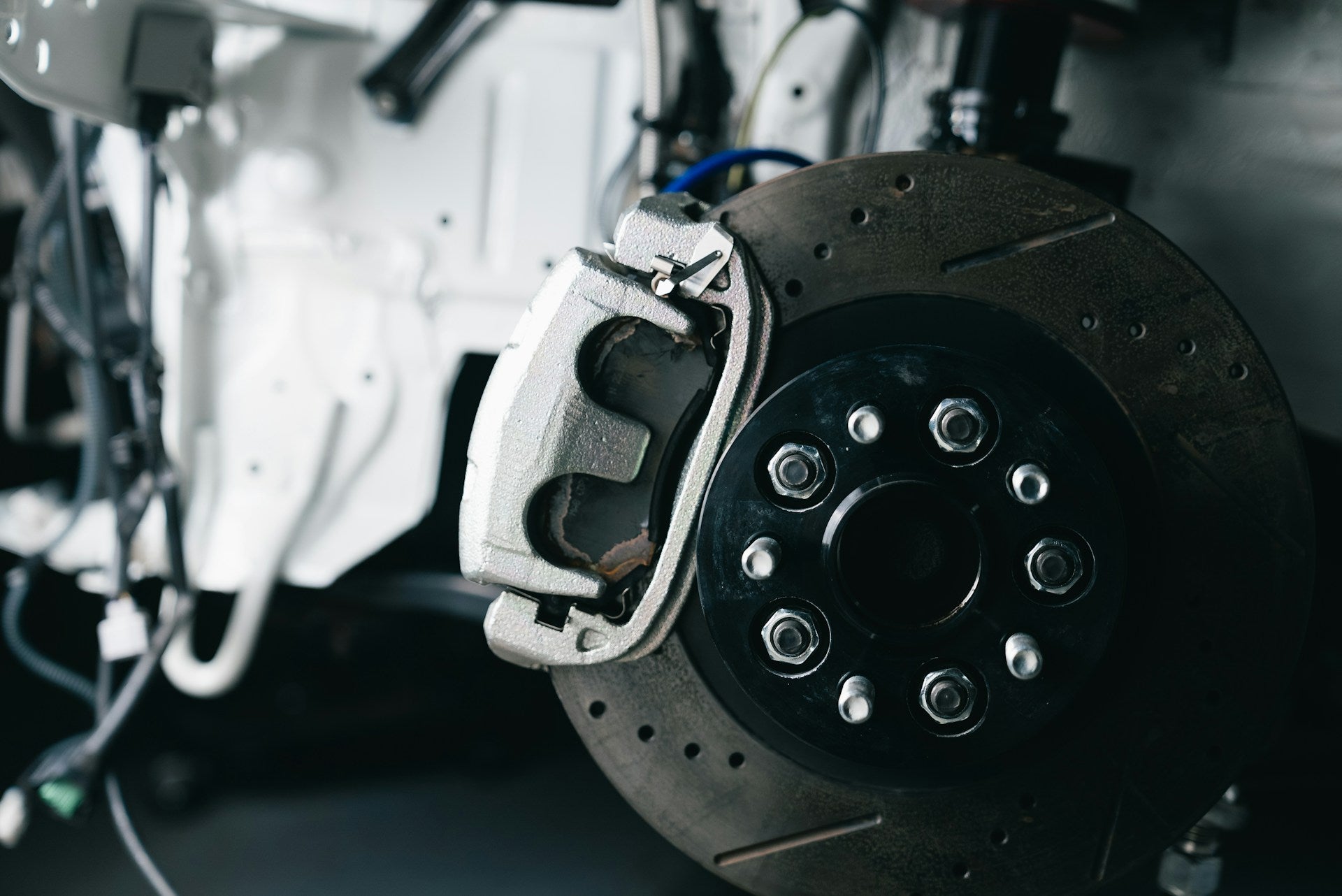
Protect Your Family with Reliable Local Brake Care Safe brakes matter every single time you roll up to a light on Peninsula Boulevard, pull out of your driveway in Hempstead, or head toward the beach before sunrise. With stop-and-go traffic, sudden lane changes, and changing weather on Long Island roads, your Honda needs to be ready to stop when you ask it to. Good brake care is not just about comfort. It is about protecting the people in your car and everyone around you. Late summer often means more time on the road, from back-to-school drop-offs to last quick trips before Labor Day. All that extra driving can expose weak spots in your braking system. Choosing the right place for brake service in Hempstead, NY can give you shorter stopping distances, better pedal feel, and longer brake life. A nearby Honda-focused team in Port Washington can help keep your brakes in shape with inspections, repairs, and maintenance built around how your Honda is designed to perform. How to Tell Your Honda Needs Brake Attention Your brakes usually warn you before they reach a dangerous point. If you know what to look for and listen for, you can get them checked before small issues turn into bigger repairs. Common signs your Honda needs brake care include: Squeaking or squealing when you press the pedal Grinding sounds that feel rough, especially at low speeds Vibrations in the steering wheel or brake pedal A soft or spongy pedal that sinks closer to the floor The car pulling to one side when you brake Your dashboard might also light up with a brake warning. This can point to low brake fluid, worn pads, or an issue with the ABS or brake assist systems. Those lights are your car asking for help, and they should never be ignored, especially before busy late summer driving when roads feel extra crowded. Hot weather, heavy AC use, and constant city traffic around Hempstead can make existing brake wear worse. Heat can thin out old brake fluid and put more stress on pads and rotors. If you notice any sounds, smells, or changes in pedal feel, it is smart to schedule a quick inspection before that wear reaches your rotors and leads to more time in the shop. Choosing the Right Brake Service in Hempstead, NY When it is time for brake work, you have options. Generic repair shops can handle many different makes, but Honda systems are designed with specific parts and technology in mind. That is where a dealership that focuses on Honda can offer extra peace of mind. Here are a few differences to think about: OEM Honda parts are built to match your model’s braking system Technicians trained on Honda vehicles know common wear patterns Honda-specific diagnostic tools help track down ABS and brake assist issues Service recommendations can be tailored to Civic, Accord, CR-V, Pilot, and other Honda models That kind of model-specific knowledge can help you get accurate answers the first time. It also supports warranty-compatible service and keeps your braking system closer to how it left the factory. Clear communication matters too. Good brake care should come with written estimates, simple explanations of pad and rotor condition, and maintenance plans that fit real Long Island driving, from parkways to side streets. Plenty of shops say they handle brake service in Hempstead, NY, but not all bring the same Honda experience or focus on genuine parts. When your goal is safety, it makes sense to trust a team that works with Honda systems all day, every day. What to Expect During a Professional Brake Visit For many drivers, not knowing what happens during a brake visit feels stressful. Once you understand the steps, the process feels much more straightforward. A typical professional brake appointment follows a clear path from check-in to final test. That usually includes: A short test drive to feel vibrations, noises, or pulling A visual inspection of brake pads, rotors, calipers, and lines Measuring pad thickness to see how much material is left Checking brake fluid level and condition Brake fluid is often overlooked, but it plays a big role in stopping power. Over time, moisture can get into the fluid and lower its performance, especially in humid late summer air. Old or contaminated fluid can make the pedal feel soft and reduce the strength of your brakes, so a fluid check is an important part of the visit. After the inspection, technicians can explain what your Honda actually needs. That might be: Simple pad replacement if wear is even and rotors are in good shape Resurfaced or new rotors if they are warped or deeply scored A brake fluid exchange if the fluid is dark or contaminated Extra repairs, such as caliper service, if parts are sticking or leaking A well-organized service department will also talk about timing. Many brake services can be completed the same day, and you can choose to wait in a lounge or use local transportation options while your car is in the shop. Clear timelines help you plan around school runs, work, and end-of-summer plans without surprises. Smart Ways to Extend Your Honda Brake Life Good brake service is important, but daily habits have a big effect on how long your pads and rotors last. A few simple changes in how you drive around Hempstead and Long Island can stretch out the time between bigger repairs. Try these tips to help your brakes last longer: Look ahead in busy village traffic and ease off the gas early Avoid hard braking on Meadowbrook Parkway off-ramps if you can slow gradually Keep extra distance in wet weather and on sandy roads near the beaches Do not rest your foot on the brake pedal while cruising Give yourself time and space in heavy back-to-school lines Regular inspections matter too. It is helpful to have your brakes checked during tire rotations, oil changes, or before longer road trips. Small adjustments, like catching pad wear early or replacing fluid on schedule, can protect rotors from deep grooves and prevent repeat work on the same corners. Honda also outlines a maintenance schedule designed around how its systems are built. Keeping up with services like brake fluid exchanges does more than help you stop, it supports ABS and stability systems that rely on clean, healthy fluid to react quickly. When you pair smart driving with professional guidance and the right brake service in Hempstead, NY, you set yourself up for safer stops and fewer surprises over the life of your Honda. Keep Your Brakes Ready For Every Drive If your Honda has been pulling, squealing, or taking longer to stop, now is the right time to schedule brake service in Hempstead, NY. At North Shore Honda, we inspect, diagnose, and repair your brake system so you can drive with confidence on every trip. Book your appointment online today or contact us with any questions about your vehicle’s brake needs.

Honda

Brake Service Hempstead Drivers Should Schedule Before Fall

Protect Your Fall Drives with Reliable Brakes Good brakes are one of the most important safety features on your vehicle, especially when the seasons start to change. If you drive around Hempstead, you know how quickly the roads can go from dry and easy to slick and busy. Getting ahead of brake problems before that happens can help you stop with confidence and avoid stressful moments in traffic. As late summer fades on Long Island, we see earlier sunsets, cooler mornings, and more rain. Wet leaves can collect near curbs and in intersections, and school zones fill back up with buses, students, and crossing guards. August is a smart time to plan brake service in Hempstead, NY, so your vehicle is ready before fall weather and heavier traffic really kick in. Our team at North Shore Honda cares about safety-first maintenance, and we are here to help with expert brake inspections and service for local drivers. Why Fall Puts Extra Stress on Your Brakes Fall driving can be beautiful, but it can also be tricky. The road surface changes a lot, sometimes in just a few hours. That is when strong, healthy brakes really matter. Here is why your brakes work harder in fall: Wet leaves can act like ice, especially when they pile up Light rain after a dry spell can make oil and dirt rise to the surface Temperature swings can affect tire grip and braking feel Earlier sunsets mean more night driving and less time to react On top of the weather, Hempstead and nearby areas see more stop-and-go traffic once school starts and summer vacations wrap up. Back-to-school drop-offs, after-school events, and crowded parkways make you brake more often. Frequent braking in city and suburban driving can speed up wear on pads and rotors. If your brakes are already worn, fall conditions can expose problems quickly. A thin pad, a glazed rotor, or low brake fluid might not feel too bad on a dry, empty road. But when the pavement is wet, leaves are stuck to the surface, and it is getting dark, those small issues can turn a simple stop into a close call. That is why it helps to get ahead of things while the weather is still more forgiving. Warning Signs You Need Brake Service in Hempstead, NY Your brakes will usually give you hints when they need attention. Paying attention to these signs can help you stay safer and avoid bigger repairs later. Common warning signs include: Squeaking, squealing, or grinding when you brake A brake pedal that vibrates or pulses under your foot A soft or spongy pedal that sinks lower than normal The car pulling to one side when you slow down Longer stopping distances or a “slow to respond” feel Each of these can point to a different problem. For example, squeaking or squealing can mean the pads are worn down and the wear indicators are touching the rotors. Grinding can mean the pad material is gone and metal is rubbing on metal, which can damage the rotors. A vibrating pedal often points to warped rotors. A soft pedal might mean air or moisture in the brake lines, or low fluid. Pulling to one side can come from uneven pad wear or a sticking caliper. Putting off brake service when these symptoms start can allow small issues to grow. Worn pads can lead to damaged rotors, and neglected fluid can affect other brake components over time. Getting your brakes checked at a professional service center near Hempstead, NY, as soon as you notice something off is much better than waiting for a dashboard light, failed inspection, or a scary stop in traffic. What to Expect From Professional Honda Brake Service When you bring your vehicle in for brake service, you should know what is being checked and why. A careful inspection gives a clear picture of your brake health before any work is done. At a typical professional brake visit, technicians will: Inspect brake pads and shoes for thickness and even wear Check rotors and drums for grooves, cracks, or warping Look at calipers, hoses, and lines for leaks or damage Check brake fluid level and condition Road test the car to feel pedal response and stopping smoothness For Honda owners, using genuine Honda parts and having technicians who work with Honda models every day can help keep braking performance close to how it felt when the car was newer. Parts that are made to fit your specific model usually work better together and can help deliver more consistent stopping. Depending on what the inspection finds, a complete brake service might include replacing pads, resurfacing or replacing rotors, exchanging old brake fluid, and cleaning or replacing hardware like clips and pins. All of this works together to bring back smooth, confident braking, reduce noise and vibration, and help your brakes last longer. How Often Hempstead Drivers Should Schedule Brake Checks Brake parts wear at different rates for different drivers, so there is no single mileage number that works for everyone. Still, there are some simple timing tips that can help you stay on track. Many drivers can follow a plan like: Ask for a brake inspection at least once a year Have brakes checked at the same time as oil changes or tire rotations Get them inspected sooner if you notice any warning signs How and where you drive around Hempstead affects this schedule. If you spend most of your time cruising on the parkways with light braking, your pads may last longer. If you drive daily in stop-and-go traffic, deal with lots of traffic lights, or take regular trips into Queens or Manhattan, you may wear pads faster and need more frequent checks. Late summer is a great reminder point. This is when many drivers start thinking about school schedules, fall rain, and longer trips to visit friends and family. Pairing a brake check with other seasonal maintenance can help you head into fall with more peace of mind, knowing your vehicle can handle wet pavement, heavier traffic, and changing light. Schedule Your Brake Service Near Hempstead Before Fall Hits Planning brake service in Hempstead, NY before fall weather settles in is an easy way to protect yourself, your passengers, and other drivers on the road. Taking care of brake issues early helps you avoid surprises when the first big rainstorm hits or when you need to stop quickly on a crowded parkway. North Shore Honda is located a short drive from Hempstead in Port Washington, and we serve Long Island drivers who want trusted, professional care for their vehicles. We offer convenient service hours, clear explanations of recommended work, and service specials that can help you save on important brake maintenance. By getting your brakes checked and serviced ahead of time, you set yourself up for safer, smoother drives through fall and beyond. Keep Your Brakes Ready For Every Drive If your vehicle has been taking longer to stop or making unusual noises, now is the right time to schedule brake service in Hempstead, NY. At North Shore Honda, we carefully inspect your braking system, recommend only what you genuinely need, and complete work with quality parts you can trust. Our team is ready to help you find a convenient appointment time and answer any questions about pricing or maintenance intervals. If you prefer to speak with us first, feel free to contact us today.

Braking

Hempstead Stop-and-Go Braking for Hondas: Extend Pad and Rotor Life

Master Your Honda Brakes in Hempstead Traffic Stop-and-go traffic in Hempstead and across Long Island is tough on Honda brakes. All that creeping, tapping, and sudden stopping on the Southern State, Meadowbrook, and local streets puts a lot of stress on pads and rotors, especially when roads are hot and crowded. Smart driving habits and timely brake care can make a big difference. You can help your Honda stop more smoothly, avoid surprise repairs, and feel safer during beach season, back-to-school drop-offs, and everyday errands. In this guide, we will walk through simple changes you can make to protect your pads and rotors, plus how to tell when it is time to go beyond a basic brake job and look at brake fluid and caliper service at a trusted dealership in the Hempstead area. How Stop-and-Go Driving Wears Honda Brakes Faster Every time you press the brake pedal, your Honda’s brake pads clamp down on the rotors. That friction turns motion into heat. In light traffic, brakes have time to cool between stops. In Hempstead stop-and-go traffic, they often do not. Here is what happens during constant braking in heavy traffic, especially on hot August days: Pads stay hot and wear down quicker Rotors can heat up and cool unevenly, which may cause warping Brake fluid can get stressed, which may lead to a softer pedal over time As wear builds up, drivers around Hempstead might start to notice: Squealing or chirping when you press the brakes Grinding that sounds like metal-on-metal A pulsing brake pedal or shaking steering wheel The car taking longer to stop than it used to Honda brake parts can last a good amount of time in light use, but heavy urban and suburban driving is different. Lots of short trips, traffic lights, school zones, and parkway backups around Hempstead and Port Washington usually mean pads and rotors wear out sooner than in easy highway driving. Your driving style plays a big role too. Hard, late stops eat up brakes much faster than smooth, early braking. Everyday Driving Habits That Extend Pad and Rotor Life You cannot change Hempstead traffic, but you can change how you use your brakes in it. A few simple habits can help your Honda’s pads and rotors last longer. First, start looking ahead more. Instead of waiting until the last second to brake at a light or slow car, try: Easing off the gas early when you see brake lights in the distance Coasting gently toward red lights and stop signs Rolling smoothly through low-speed areas like school zones and shopping centers Next, leave more space between you and the car in front, especially in heavy Hempstead traffic. A safe following distance lets you: Brake lightly instead of slamming the pedal Avoid repeated short, hard stops that cook pads and rotors React more calmly if someone cuts in or stops suddenly If your Honda has drive modes, choose the one that matches how you drive most of the time. A calmer mode often softens throttle response, which can lead to smoother braking. On open stretches of parkway where it is safe, features like adaptive cruise control can help keep a steady distance and reduce constant speed changes that wear brakes. The main goal is to think gentle and early instead of hard and late. Your brakes, your passengers, and your stress level will all benefit. Seasonal Brake Care Tips for Late Summer and Fall Summer heat in Nassau County is not just uncomfortable for drivers, it is tough on brakes too. When road temperatures climb and traffic slows to a crawl, pads and rotors run hotter. That can bring on brake fade, where the brakes feel weaker after repeated stops, and can speed up fluid wear and rotor damage. Late summer is a smart time to pay closer attention to how your brakes feel and sound. Watch for: Brakes that feel weaker after being used a lot in one trip A hot smell after driving in heavy traffic Any new noises when you press the pedal As we move into fall, road conditions change again. Wet leaves, early frost, and heavier school-year traffic all put more demand on your Honda’s stopping power. Before those days arrive, it helps to have a professional check for: Pad thickness and any glazing or uneven wear Rotors that are hot spotted, grooved, or warped Brake fluid level and condition A late summer or early fall brake inspection at a dealership that offers brake service in the Hempstead, NY area can catch small problems before wet and slippery roads make them feel bigger. When a Simple Brake Job Is Not Enough Anymore Many drivers think of brake service as just “pads and rotors.” As a Honda gets older, there is more to pay attention to. The brake system also relies on fluid, hoses, and calipers that all work together. Here is the basic difference: Routine brake job: usually pads and sometimes rotors, plus hardware checks Deeper brake service: brake fluid flush, caliper cleaning or replacement, hose and slide pin inspection Over time, brake fluid can absorb moisture and get dirty, which can affect pedal feel and braking power. Calipers and slide pins can stick or corrode, especially with years of stop-and-go use. When that happens, one wheel might do more of the braking work, which leads to uneven pad wear and hotter temperatures at that corner. You may need more than new pads if you notice: A soft or spongy brake pedal Brake fluid in the reservoir that looks dark or dirty Brakes that feel like they are dragging or not fully releasing One wheel that seems much hotter after driving The car pulling to one side when braking A complete professional brake inspection around Hempstead should look at the whole system, including hoses, calipers, slide pins, and fluid condition. The goal is not just quiet brakes, but consistent stopping power and pedal feel. Why Honda Owners Trust North Shore Honda for Brake Care When it comes to brake service in Hempstead, NY and nearby communities, Honda drivers benefit from working with a team that knows their vehicle inside and out. At North Shore Honda in Port Washington, we focus on Honda models, so our technicians spend their days working with vehicles like the Civic, Accord, CR-V, HR-V, and Pilot. Factory-trained technicians and Honda Genuine Parts help make sure your brake system is serviced the way the manufacturer intended. Service procedures are tailored to Honda systems, from pad and rotor choices to how the fluid is checked and replaced. For Hempstead drivers, our location on the North Shore is an easy trip from many Long Island neighborhoods. It is simple to plan a visit and take care of a brake inspection while you are already in for something else, like an oil change or tire rotation. Bundling services saves time and helps keep your Honda’s brakes, tires, and other systems working together the way they should. Season after season, smart driving habits and timely professional service can keep your Honda’s brakes ready for whatever Hempstead traffic throws at them, from summer beach runs to busy school mornings. Keep Your Brakes Ready For Every Drive If you have noticed squeaking, grinding, or a softer brake pedal, our team at North Shore Honda is ready to help restore your confidence on the road. Schedule your brake service in Hempstead, NY today so we can inspect, repair, or replace components before minor issues become costly problems. If you have questions about symptoms you are experiencing or want help finding a convenient appointment time, feel free to contact us.

Contact Us

Fill out this form below and we'll contact you shortly
*Required Fields