
Blog

Understanding the Honda CR-V e:FCEV's Fuel Cell Technology

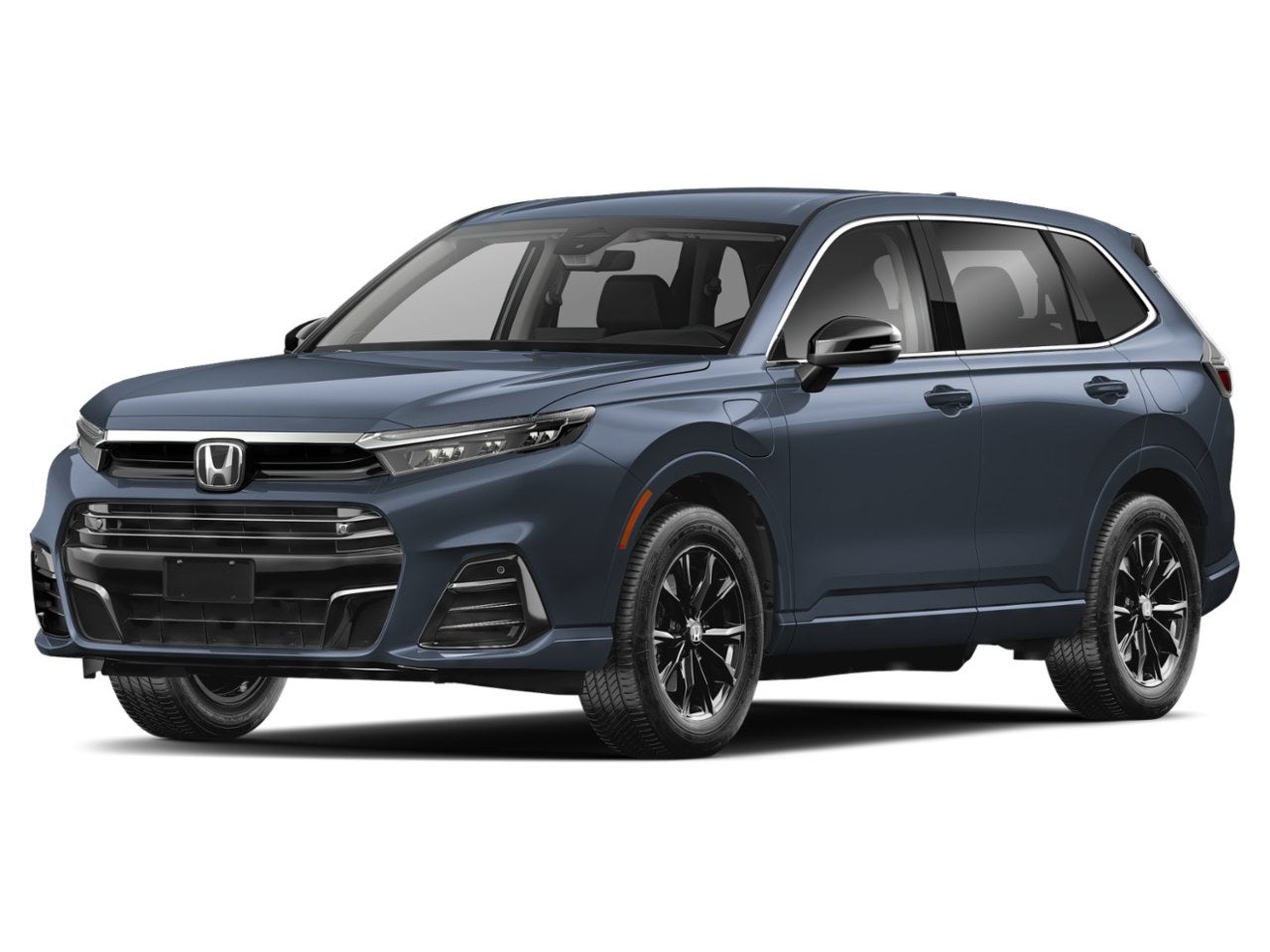
2026 Honda CR-V e:FCEV front three-quarter exterior
THE SHORT ANSWER
The Honda CR-V e:FCEV is an electric SUV that makes its own electricity onboard: a fuel cell stack combines stored hydrogen with oxygen from the air, and the only byproduct is water vapor. You refuel with hydrogen in minutes rather than plugging in, so the biggest question for most shoppers is whether stations are convenient to where they live and drive.

Hydrogen-powered cars can sound like science fiction, but the idea behind them is easy to follow once someone walks you through it. At North Shore Honda in Glen Head, NY, we get plenty of questions about the CR-V e:FCEV: how it makes power, what refueling looks like, and whether it makes sense for Long Island driving. Here's a plain-English look at the technology and what it means for you as a driver.

What a Fuel Cell Actually Does

2026 Honda CR-V e:FCEV side exterior

A hydrogen fuel cell makes electricity through a chemical reaction, not by burning anything. Hydrogen from the tank reaches one side of a thin membrane while outside air reaches the other. A catalyst splits each hydrogen molecule into protons and electrons, and here's the clever part: only the protons can pass through the membrane.

Those electrons have to take the long way around, through an external circuit, and that flow is the electricity that powers the motor. Once they reach the far side, they rejoin the protons and combine with oxygen to form water. So what leaves the tailpipe is water vapor, along with a bit of heat.

One cell on its own produces only a small voltage, so many are layered together into what engineers call a fuel cell stack. Since nothing combusts, you won't find spark plugs, a catalytic converter or engine oil to change.

It helps to think of the CR-V e:FCEV as an electric car at heart. Instead of drawing all its energy from the grid, it carries a small power plant onboard and makes electricity as you drive.

How the Pieces Work Together

The main components

  • Hydrogen tanks hold compressed hydrogen gas in strong, high-pressure vessels.
  • A fuel cell stack turns that hydrogen into electricity.
  • A battery stores energy, including power recaptured when you slow down.
  • An electric motor sends power to the front wheels.

How they share the load

Fuel cell vehicles are designed so the stack and the battery back each other up. When you're cruising, the stack supplies a steady stream of electricity to the motor and can top up the battery at the same time. Press harder to pass or merge, and the battery adds its power to the mix for a quicker response.

Slowing down works in reverse. With regenerative braking, the motor acts as a generator, turning your forward motion back into electricity and sending it to the battery instead of wasting it as brake heat.

A computer manages these handoffs constantly, so you never need to think about which source is doing the work. From the driver's seat, it simply feels like a smooth, responsive electric SUV.

What It's Like to Drive

With 174 horsepower going to the front wheels, the CR-V e:FCEV isn't trying to be a sports car, but electric power changes how that output feels. Electric motors deliver their pull the moment you touch the pedal, so pulling away from a light on Glen Cove Road or merging onto the Northern State Parkway feels eager rather than strained.

There's also no transmission hunting for gears and no engine revving under load. Acceleration comes as one smooth, continuous surge, and the cabin stays noticeably quiet at low speeds, which you'll appreciate in stop-and-go traffic on the LIE. You may hear a soft whir from the system that feeds air to the fuel cell, but nothing like the drone of a gas engine.

Front-wheel drive keeps things familiar for anyone coming out of an earlier CR-V or a Civic. Steering, braking and parking all feel like a regular compact SUV, so the only adjustment is getting used to how calm it is.

Reading about it only goes so far. You'll learn more in ten minutes behind the wheel, so book a test drive and take it on roads you know.

Fueling: The Part to Plan Around

At the pump

Filling a fuel cell vehicle feels a lot like filling a gas car. You pull up to a hydrogen dispenser, lock the nozzle onto the car's receptacle, and the station pressurizes the tank in a matter of minutes. Compared with waiting at a charger for a battery EV, that's a real convenience.

Where you'll fill up

Here's the catch: hydrogen stations are far less common than gas stations, and they tend to be clustered in a handful of regions. Before you get attached to any fuel cell vehicle, map the stations relative to your driveway, your commute and the trips you take most often. Station access shapes the ownership experience more than any feature on the car.

A few questions worth answering first:

  • How far is the nearest station from home and from work?
  • Is there a backup station if your usual one is closed or out of service?
  • Do your regular weekend drives stay within reach of hydrogen?
  • What does a fill-up cost in your area?

Our team at North Shore Honda is glad to talk through these questions with you before you commit to anything.

The Numbers That Matter to You

For 2026, the CR-V e:FCEV comes in one trim, the Base, with an MSRP of $50,000. Taxes, registration and any incentives will move the number you actually pay, so look at the full picture and explore financing options before you decide. Rates and terms depend on your credit and the lender, and approval is never guaranteed.

Efficiency is where the electric drivetrain shows its strengths. Its combined fuel-economy rating is 57, and it climbs to 61 in city driving, because regenerative braking recaptures energy you'd otherwise lose at stoplights. That makes it a natural match for the short errands most of us run around the North Shore.

Room for daily life is still there, too. You get 29.7 cubic feet of cargo space, enough for a big grocery run, a stroller or a weekend's worth of sports gear.

What makes this SUV interesting is that blend of familiar CR-V usefulness with a genuinely different powertrain underneath. You aren't giving up the practical side of a compact SUV to try new technology.

Is a Fuel Cell CR-V the Right Fit?

Who it suits

This SUV makes the most sense if you have dependable hydrogen access, want zero tailpipe emissions, and like the idea of refueling in minutes. Drivers who enjoy new technology and follow predictable routes tend to get the most out of fuel cell ownership.

It's also a good conversation starter. Owners often find themselves explaining to neighbors why water is dripping from the tailpipe.

When another Honda may serve you better

If hydrogen isn't practical where you live or travel, there's no reason to force it. Honda builds hybrids and gas models that cover much of the same ground, and you can browse our new Honda inventory along with Honda Certified vehicles to compare.

At North Shore Honda, our motto is simple: take care of customers and the business will follow. In practice, that means helping you land on the vehicle that fits your life, even if it isn't the one you walked in asking about. Customers here are treated as part of the North Shore Honda family, and that includes straight answers about new technology.

Where
611 Glen Cove Rd
Glen Head, NY
KEY TAKEAWAYS
  • A fuel cell creates electricity from hydrogen and oxygen, leaving only water vapor behind.
  • The stack, battery and motor work together, so it drives like a quiet, smooth electric SUV.
  • Map hydrogen stations near your home and regular routes before deciding it's right for you.

FAQ

Common questions

Is it safe to have a hydrogen tank in a car?

Hydrogen tanks in fuel cell vehicles are engineered to strict safety standards and tested for impacts and extreme conditions. Fuel cell vehicles also use sensors that detect leaks and shut off the flow. Hydrogen is much lighter than air, so if it escapes it rises and disperses quickly instead of pooling the way gasoline can.

How is a fuel cell vehicle different from a battery electric car?

Both drive their wheels with electric motors. A battery EV stores its energy in a large battery charged from the grid, while a fuel cell vehicle makes electricity onboard from hydrogen and uses a battery mainly as a buffer. The practical difference is refueling: minutes at a hydrogen station versus a longer stop at a charger.

What maintenance does a fuel cell CR-V need?

You skip engine oil changes, but the vehicle still needs regular care for tires, brakes, wipers and filters, plus periodic checks of the fuel cell and hydrogen systems. Our service team can walk you through what the maintenance schedule looks like.

Can I finance a CR-V e:FCEV through North Shore Honda?

Our finance team can explain the options available and any current offers. Terms depend on your credit history and the lender's decision, so approval and rates can't be promised in advance, but we'll lay out the choices clearly so you can decide what works for you.
Want to see it in person?
Come by for a test drive, or browse what is on the lot right now.
Or call (516) 629-5612 · 611 Glen Cove Rd, Glen Head

Recommended Posts

Overhead view of a Thanksgiving dinner table

Setting a Thanksgiving Table Glen Head Will Remember

THE SHORT ANSWER A memorable Thanksgiving table starts with enough elbow room, a cloth that hangs right, and a centerpiece low enough to talk over. Set it the day before, decide early whether food goes family style or buffet, and use place cards to mix your guests well. Thanksgiving in Glen Head usually means a full house, a borrowed folding table and at least one relative who shows up early. The table is where the whole day happens, and a little planning makes it feel generous without making you frantic. These are the hosting tips we at North Shore Honda would pass along to any neighbor setting a table this year. IN THIS POST Plan the Table Before the Menu Linens Set the Mood Place Settings Made Simple Centerpieces That Keep Conversation Going Make Room for the Food The Small Touches People Remember Key takeaways Plan the Table Before the Menu Most hosts plan the turkey weeks out and the table the morning of. Flip that order and the whole day gets calmer. Start with a headcount, then measure. A good rule is about 24 inches of table edge per guest, which gives people room to cut without bumping elbows. If your dining table falls short, a folding table pushed against the end and covered with one long cloth reads as a single surface. Two days out Pull out leaves, extra chairs and the folding table Count plates, glasses and flatware against your guest list Borrow or rent what's missing now, not Wednesday night Decide where coats go so they don't pile up on the dining chairs Plenty of older North Shore homes have dining rooms built for six, so think about flow as well as seats. Leave a clear path from the kitchen to the table and from the table to the bathroom. Nobody carrying a hot gravy boat should have to squeeze past a chair back. Linens Set the Mood A tablecloth does more work than any other piece on the table. It hides mismatched leaves, softens the clatter of plates and makes a folding-table extension disappear. Aim for a cloth that hangs six to eight inches over the edge on all sides; longer drapes into laps, while shorter looks like it shrank in the wash. Iron it the weekend before, then hang it over a door or roll it around a cardboard tube so it doesn't crease again in a drawer. Runners and napkins A runner down the center adds color without the cost of a second full cloth, and it catches drips from serving dishes. Earthy shades suit November: rust, olive, deep gold, cream. Cloth napkins are worth the extra laundry. Fold them simply, a rectangle laid on the plate or tucked under the forks, and skip anything that needs a video to copy. Worried about red wine and cranberry sauce? Lay a thin felt pad or an inexpensive plastic liner under the cloth. Guests never see it, and your wood table survives the evening. Place Settings Made Simple Formal place settings look intimidating, but the logic is easy: guests work from the outside in. Set utensils in the order they'll be used, and the rest falls into line. Forks go on the left, salad fork outside the dinner fork Knife sits on the right with the blade facing the plate Spoon goes to the right of the knife if soup is on the menu Water glass sits above the knife, wine glass just to its right Bread plate, if you use one, goes above the forks Dessert forks and spoons can rest crosswise above the plate, or come out with the pie. Most hosts find the second option easier, since it keeps the table less crowded during the main meal. When dishes don't match Mixed china looks intentional when something ties it together. Keep one element consistent, such as white dinner plates or matching glasses, and let salad plates vary. Your grandmother's set paired with plain everyday plates can become the most talked-about part of the table, so lean into it rather than hiding it. Centerpieces That Keep Conversation Going The one rule worth following: keep it low. If guests have to lean sideways to see each other, the arrangement is too tall. Below eye level when seated, roughly a foot high, keeps faces visible across the table. Long Island in November gives you plenty to work with. Farm stands out on the North Fork still carry pumpkins, gourds and apples, and a walk around the neighborhood turns up oak leaves, pinecones and bare branches for free. Line small pumpkins and pears down the runner with a few votives between them, and you have a centerpiece that cost very little. A few cautions Choose unscented candles so they don't compete with the food Keep flames away from napkins and kids' elbows Leave gaps along the center if you're passing serving dishes Skip heavily fragrant flowers like lilies near the plates Mums in rust or yellow look right at home this time of year, and they hold up well past the holiday. Cut stems short and tuck them into jars or small vases rather than one big arrangement, so you can slide them aside when the turkey arrives. Make Room for the Food Decide early how the meal will be served, because it changes the whole layout. Family style, with dishes passed hand to hand, feels warm and traditional but needs open space down the middle. A buffet on a sideboard or kitchen island frees the table for plates, glasses and that low centerpiece. Many hosts split the difference. Turkey and big sides go on the buffet, while gravy, cranberry sauce and rolls stay on the table where people reach for seconds. Practical touches Set out trivets before dishes arrive so nobody hunts for a pot holder Label dishes with small cards, noting nuts, gluten or dairy for guests with allergies Put a serving spoon beside each dish ahead of time Keep a pitcher of water on the table so you're not refilling glasses all night A kids' table can be a highlight instead of an exile. Cover it in kraft paper, leave out crayons, and let younger guests decorate their own placemats. They'll stay seated longer, and their parents might actually finish a plate while it's hot. The Small Touches People Remember Place cards do more than look nice. They let you seat a quiet uncle next to a chatty neighbor, split up couples who talk to each other all week, and put yourself near the kitchen door. Handwritten names on folded cardstock, or tags tied to a small gourd, are plenty. The last hour before guests arrive Light candles and dim the overhead lights a notch Fill water glasses and set out butter so it softens Clear a counter for the dishes guests bring along Sit in a few chairs and fix anything blocking a sightline Some of your guests will be fighting holiday traffic on the LIE or the Northern State, or coming down Northern Boulevard from farther east. A quick text with parking tips for your street helps them settle in faster and keeps you from fielding calls while the bird rests. If your own car needs a once-over before the long weekend drive to relatives, North Shore Honda lets you schedule service online, and all of us wish you and your family a happy Thanksgiving. Where 611 Glen Cove Rd Glen Head, NY Call (516) 629-5612 KEY TAKEAWAYS Measure and plan the table layout two days out so missing chairs, plates or leaves turn up in time. Keep the centerpiece below eye level and the candles unscented so people can see each other and taste the food. Place cards and a simple serving plan do more for the evening than any fancy fold or flourish. FAQ Common questions How far ahead should I set the Thanksgiving table? The night before is ideal. Lay the cloth, place settings and centerpiece on Wednesday evening, and turn glasses upside down or drape a light cloth over them to keep dust off. That leaves Thursday morning free for cooking. Is it okay to use mismatched plates and glasses? Yes, and it often looks better than a perfectly uniform set. Keep one thing consistent, like white dinner plates or matching napkins, so the table feels pulled together rather than random. What can I do if my dining table is too small for everyone? Add a folding table to one end and cover both with a single long cloth, or move serving dishes to a buffet so the table only holds plates and glasses. A separate kids' table frees up adult seats quickly. Should I use scented candles on the table? Stick with unscented ones. Fragrance near the plates competes with the food, and some guests are sensitive to strong scents. Save scented candles for the entryway or a powder room. Want to see it in person? Come by for a test drive, or browse what is on the lot right now. Schedule a test drive Browse new inventory Or call (516) 629-5612 · 611 Glen Cove Rd, Glen Head Or keep browsing Current offers Financing Value your trade Book service Contact us Used cars

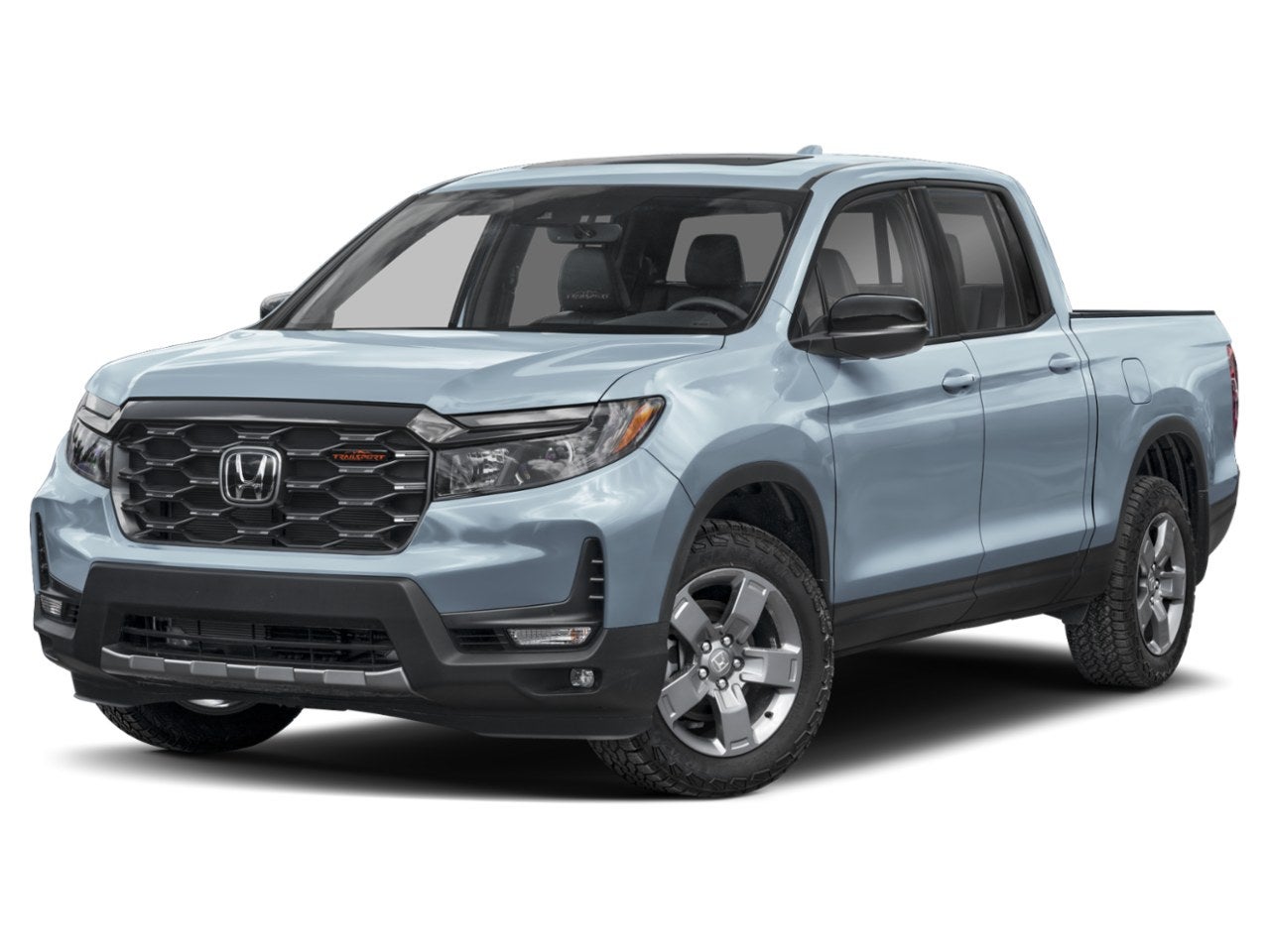
2026 Honda Ridgeline TrailSport front three-quarter exterior

Prepping Your Honda Ridgeline Bed for Winter Cargo

THE SHORT ANSWER Getting a Ridgeline bed ready for winter comes down to four things: clean and inspect it, drain and stock the In-Bed Trunk, keep road salt off the metal hardware, and tie loads down properly. Add good tires and a pre-season service check, and the bed will handle snow, slush and heavy cargo all season. Winter on Long Island's North Shore asks a lot of a pickup bed. Rock salt on the parkways, wet snow, and the firewood, ice melt and holiday trees people haul this time of year all take a toll. A little preparation in November saves you headaches by February. Here's how we at North Shore Honda in Glen Head suggest getting your Ridgeline's bed, trunk and tailgate ready for the cold months. IN THIS POST Start With a Clean, Dry Bed Get the In-Bed Trunk Ready Stay Ahead of Road Salt Securing Loads in Snow and Wind Driving With Weight in Back Accessories and a Pre-Season Check Key takeaways Start With a Clean, Dry Bed Fall leaves, sand from summer beach runs and stray packing debris collect in the corners of a pickup bed. Once they get wet and freeze, they trap moisture against hardware and seals. Give the bed a thorough wash before the first cold snap, then let it dry completely in the driveway or garage. Your Ridgeline's bed is made of a composite material rather than painted steel, so it won't rust or dent the way a traditional bed can. That doesn't make everything back there immune. Tie-down cleats, tailgate hinges, latch mechanisms and the bolts holding it all together are metal, and that's where winter does its damage. While the bed is empty, walk around and check: Drain holes in the corners, clear of leaves and grit Tailgate seals and weatherstripping, free of cracks or gaps Tie-down cleats, tight and turning smoothly Tailgate hinges and latches, moving without grinding A light coat of silicone-based lubricant on latches and hinges helps keep them from freezing shut after a night of sleet. Skip heavy grease, which grabs road grime and holds salt exactly where you don't want it. Ten minutes of this now is far easier than prying open a frozen tailgate with groceries in your arms. Get the In-Bed Trunk Ready Under the bed floor sits one of the Ridgeline's most useful winter features: the lockable In-Bed Trunk. It's sealed, out of sight, and has a drain plug at the bottom, which matters more in January than any other month. Clean and drain it Pull everything out and remove the drain plug. Meltwater that seeps in from snowy gear can pool, freeze and refreeze, slowly working on the seal. Wipe the compartment dry, check the lid's gasket for tears, and make sure the latch locks cleanly. Leaving the plug out overnight after a slushy commute is a simple habit that keeps things fresh. Stock a winter kit Because it's weather-resistant and keeps things from sliding around, the trunk is a natural home for cold-weather gear you want in the truck but not rattling around the cabin: A folding shovel and an ice scraper with a brush A bag of sand or cat litter for traction Jumper cables or a portable jump starter Gloves, a blanket and a flashlight Spare washer fluid rated for freezing temperatures Keep the kit compact and packed toward one side so there's still room for wet boots, soaked ski gloves or a muddy dog towel. Stashing those down there keeps the slush out of your cab and off the carpets. Stay Ahead of Road Salt Between the Northern State Parkway, the Long Island Expressway and the local roads around Glen Head, crews lay down plenty of brine and rock salt every winter. That spray coats the bed, kicks up under the tailgate and settles into every seam. Rinsing is your best defense. After a salty stretch, hose out the bed on a day when temperatures are above freezing, and pay attention to the spots that hold residue: the tailgate's lower edge, the hinge area, the cleat pockets and the trunk lid's perimeter. For what you can't reach at home, a car wash with an undercarriage spray handles the hitch receiver and the frame behind the rear wheels. A rubber bed mat helps in two ways. It keeps cargo from sliding, and it gives salt and grit something to sit on besides the bed surface itself. Our parts department can track down a mat that fits your Ridgeline's bed. Pull it out every few weeks so moisture doesn't stay trapped underneath. If you tow in winter, give the hitch ball, pin and wiring connector a quick wipe, and put a dab of dielectric grease on the plug. Corroded connectors are a common reason trailer lights start acting up by February. Securing Loads in Snow and Wind Winter cargo tends to be bulky or awkward: a snowblower heading to the shop, bags of ice melt, a load of firewood, a fresh-cut tree in December. Gusty wind off the Sound and slick pavement make a loose load more dangerous than it would be in July. Use the bed's tie-down points with ratchet straps rather than bungee cords, which lose their stretch in the cold. A cargo net works well for loose items like split logs. Tug every strap before you leave and again after the first few miles, since webbing can shift and slacken as a load settles. Placement matters Heavy items belong forward, close to the cab, and centered side to side. Keeping weight there helps the truck stay balanced when you brake on a wet off-ramp. The Ridgeline's dual-action tailgate, which can drop down or swing open to the side, lets you step in close and slide a heavy bag of salt toward the front instead of reaching across a lowered gate. Clear snow out of the bed before you drive, too. A few inches of wet snow adds real weight, and chunks blowing off at highway speed are a hazard for the driver behind you. Brush off any cover or loose gear you've strapped down while you're at it. Driving With Weight in Back Every 2026 Ridgeline, from the Sport and RTL through the TrailSport, TrailSport+HPD Wheels, Black Edition and Black Edition Two-Tone, comes with all-wheel drive and a 280-horsepower V6. That's a real help pulling away from a snowy curb on a Sea Cliff hill or merging onto Glen Cove Road in slush. Traction from all-wheel drive helps you go, though; it doesn't help you stop or steer on ice, and a loaded bed changes how the truck behaves. With weight in back: Leave extra following distance, especially on ramps and bridges that freeze first Brake earlier and more gently than you would with an empty bed Take turns slower, since heavy cargo carries momentum Check your rear view, because a tall load can block the mirror Tires make the biggest difference of all. All-season tires firm up as temperatures drop, while winter tires stay pliable and grip better on packed snow and ice. Cold air also lowers tire pressure, and an underinflated tire on a loaded truck wears unevenly and handles poorly, so check pressures often. Your owner's manual shows the payload limit and correct inflation for your truck; read it before your first big haul. Still choosing between trims? You can book a test drive and feel how each one handles before the snow arrives. Accessories and a Pre-Season Check A few add-ons make the Ridgeline's bed much easier to live with from November through March: A tonneau cover keeps snow and rain off your cargo and adds security; brush it clear before driving so sheets of ice don't slide off A bed liner protects the surface and adds grip A cargo divider or bed extender keeps smaller loads from wandering Mud guards cut down on salty spray thrown along the sides Ask about fit for your specific trim before you buy, since a cover or divider that doesn't seat properly can let water in or rattle loose. Book a cold-weather inspection The bed is only half the picture. Before the first storm, it's worth having the battery tested, wipers and washer fluid switched over for winter, brakes and tires inspected, and the tailgate and trunk latches looked over. At North Shore Honda, you can take care of service scheduling online and pick a time that works around your week. We've served this community for more than 35 years, and our philosophy is simple: fair, easy, honest and sincere. Bring your questions along with the truck, and we'll help you get it ready for whatever this winter brings. Where 611 Glen Cove Rd Glen Head, NY Call (516) 629-5612 KEY TAKEAWAYS Clean the bed, clear the drain holes and lubricate latches before the first freeze. Use the In-Bed Trunk for a winter kit and pull its drain plug after slushy days. Rinse salt often, strap heavy loads forward and centered, and clear snow before driving. FAQ Common questions Can water freeze inside the In-Bed Trunk? It can if meltwater is left sitting in it. Pull the drain plug after slushy days, let the compartment dry, and keep the lid's gasket clean so it seals properly. Avoid leaving soaked gear inside during a deep freeze. Do I need winter tires on an all-wheel-drive Ridgeline? They aren't required, but they're worth considering if you drive often in snow or on icy back roads. All-wheel drive helps you get moving, while winter tires improve grip for braking and steering, which matters even more with a loaded bed. Should I put sandbags in the bed for extra traction? That old advice comes from rear-wheel-drive pickups. With all-wheel drive, extra ballast generally isn't needed, and loose weight can shift or become a projectile. If you want sand along for traction, keep a bag secured in the In-Bed Trunk. How often should I rinse salt out of the bed? Aim to rinse after any stretch of heavily salted roads, as soon as temperatures are above freezing. Focus on the tailgate edge, hinges, cleat pockets and hitch, and lift out any bed mat every few weeks to clear trapped salt and moisture. Want to see it in person? Come by for a test drive, or browse what is on the lot right now. Schedule a test drive Browse new inventory Or call (516) 629-5612 · 611 Glen Cove Rd, Glen Head Or keep browsing Current offers Financing Value your trade Book service Contact us Used cars

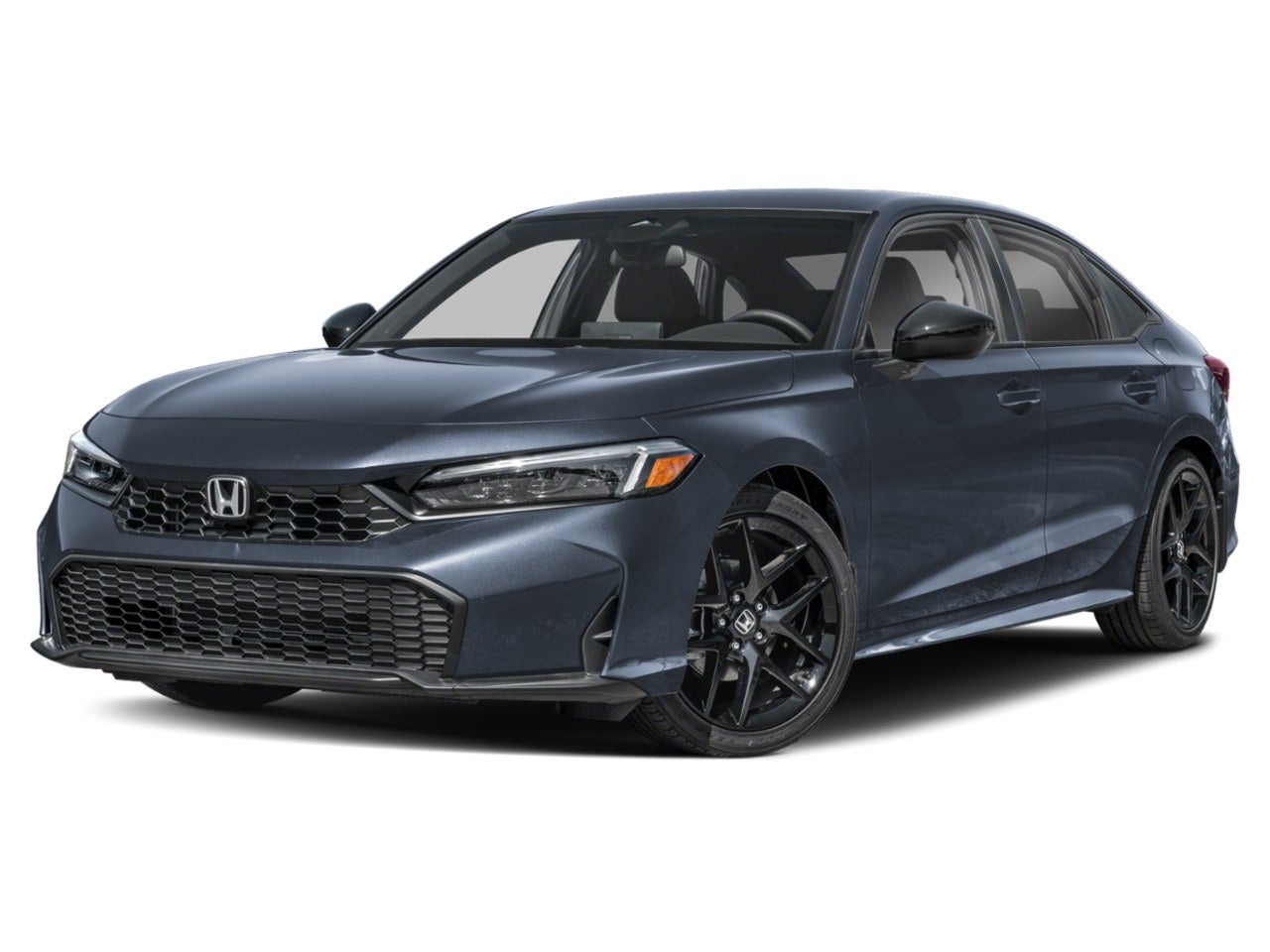
2026 Honda Civic Sedan Sport front three-quarter exterior

Pairing Your Phone to the Civic Sedan's Infotainment System

THE SHORT ANSWER Pairing a phone to the Civic Sedan takes a few minutes. With the car parked, open the Bluetooth or phone menu on the touchscreen, add a new device, pick the Civic on your phone and confirm the matching code. For maps and apps on the screen, connect Apple CarPlay or Android Auto afterward. A new Civic Sedan feels fully yours once your phone connects on its own when you start the car. Pairing takes a few minutes, but a few small details trip people up, and they're easy to sort out once you know where to look. Here's how we walk drivers through it at North Shore Honda in Glen Head. IN THIS POST Get Ready Before You Sit Down Pairing Over Bluetooth, Step by Step Apple CarPlay and Android Auto Contacts, Texts and Permissions Fixing the Usual Snags Sharing the Car and Getting Help Key takeaways Get Ready Before You Sit Down Most pairing headaches start before anyone touches the screen. A phone on old software, a Bluetooth list crowded with forgotten earbuds and rental cars, or a battery saver that throttles connections can stall the whole process. Spend a couple of minutes on your phone first, and the car side goes much faster. Update your phone's operating system to the latest version Turn Bluetooth on and keep the phone unlocked during setup Switch off low-power or battery-saver mode for now Grab a good-quality USB cable if you plan to use CarPlay or Android Auto In the car, shift into Park and turn the power on. You can leave the engine running or not. Many setup menus lock out while the car is moving. That's a safety feature, not a glitch. Pairing from the driver's seat with the car parked means you won't hit a lockout halfway through. It also helps to do this somewhere quiet, not in a busy parking lot where other Bluetooth devices crowd your phone's list. Your driveway is perfect. A calm first pairing usually means the connection stays reliable from then on. Pairing Over Bluetooth, Step by Step Bluetooth is the foundation. It carries your calls, plays audio and lets the car read your contacts. Once it's set up, everything else builds on it. From the home screen, open Settings or the Phone menu Choose Bluetooth or Connections, then select the option to add a new device On your phone, open Bluetooth settings and tap the Civic when it appears Check that the code on your phone matches the one on the car's screen, then confirm on both Approve the requests for contacts and message access when your phone asks Menu wording can shift a little between model years and software updates. If the exact words don't match, look for the closest one. Phone, Connections and Bluetooth all lead to the same place. Making It Automatic After that first pairing, the Civic should find your phone shortly after you start the car. If it doesn't, open the device list in the car and make sure your phone is set to connect automatically. On iPhone and Android, you can also give the car an easy name in your Bluetooth settings, which helps when a household has more than one vehicle. Getting automatic reconnection right is what makes the system feel effortless every morning. Apple CarPlay and Android Auto Bluetooth handles calls and audio. Phone projection goes further. It puts your maps, music apps and messaging on the car's screen in a layout you already know from your phone, and many drivers end up using it on every trip. For a wired connection, plug your phone into the USB port meant for data. Some ports only charge, so if nothing happens, try another one before blaming the phone. Your phone will ask permission the first time, and the car may ask whether to enable CarPlay or Android Auto. Say yes to both. Wired or Wireless? Where wireless projection is available, setup usually starts with a short Bluetooth handshake or a one-time cable connection. After that, the phone can stay in your pocket. Whether a particular Civic connects wirelessly is worth checking in the car itself, and you can bring your own phone when you book a test drive to try it. The tradeoff is simple. A cable keeps your battery topped up, while wireless saves a step on quick errands. On a long run down the LIE or the Northern State with navigation and streaming going, the cable often wins because the phone arrives charged instead of drained. Contacts, Texts and Permissions A common complaint goes like this: the phone pairs and calls work, but the contact list is empty or texts never show up. That's nearly always a permission setting on the phone, not a problem with the car. On an iPhone, open Bluetooth settings, tap the small info icon next to the Civic, and turn on contact syncing and notifications. Android phones bury the same choices under the device's settings in the Bluetooth menu, usually labeled contact sharing and message access. Once they're on, give the car a minute to download your phonebook before you decide it failed. Using It Without Looking Down After contacts sync, the steering-wheel controls and voice button become much more useful. You can call someone by name or have an incoming text read aloud without taking your eyes off the road. Saying a full name the way it's saved in your phone works more reliably than a nickname. If you'd rather keep some things private, you can leave message access off and still use calls and audio. You control what the car can see, and you can change these settings anytime from your phone without pairing again. Fixing the Usual Snags Connection trouble tends to fall into a handful of patterns, and most of them take less than a minute to fix. Run through these before assuming something is wrong with the car. Connected but no sound: check the audio source on the screen and set it to Bluetooth or your projection app Won't reconnect: delete the Civic from your phone and your phone from the Civic, then pair fresh CarPlay or Android Auto won't launch: swap the cable first, since worn or cheap cables are the top culprit Random dropouts: turn off battery saver and make sure the app isn't restricted in the background Wrong phone connects: set your phone as the priority device in the car's device list A restart helps more often than you'd expect. Turn the car off, open and close the driver's door, and restart your phone too. That clears small glitches on both ends. If the connection still drops after all that, book a service visit and mention it when you schedule. Our technicians can check whether the infotainment system needs a software update and confirm the USB ports are working. That's a far better use of your time than a weekly re-pairing routine. Sharing the Car and Getting Help Households with more than one driver can pair several phones. The car usually connects to whichever device it finds first or the one marked as the priority. If you and a partner trade off the Civic, set priorities so the right phone takes over without a tug-of-war over the stereo. When you sell or trade a car, delete your phone from its device list. It holds call history and synced contacts, and clearing them takes a moment. Remove the car from your phone's Bluetooth list too, so nothing tries to reconnect later. Help From Our Team The LX, Sport and Sport-L share the same goal when it comes to your phone: making calls, music and directions easy to reach. If you're comparing trims, try your own phone in each one. That tells you more than any brochure can. We run North Shore Honda on a fair, easy, honest and sincere approach, and that extends to helping you get comfortable after delivery. If you're stuck on a setting at home, reach out to our team and we'll walk you through it, or we can go over it in person at your next visit. Where 611 Glen Cove Rd Glen Head, NY Call (516) 629-5612 KEY TAKEAWAYS Prep your phone first: update its software, clear out old Bluetooth devices and keep it unlocked while you pair. Bluetooth handles calls and audio, and CarPlay or Android Auto puts your phone's apps on the car's screen. Most dropouts come from permissions, a bad cable or old device entries, not a broken car. FAQ Common questions Can two phones stay connected to the Civic Sedan at the same time? You can pair several phones, and the car remembers each one. How many stay active together depends on the system, so set a priority device in the car's device list. That way the main driver's phone takes over for calls and navigation. Why does my phone connect for calls but not for music? The audio source is usually still set to radio or another input. Select Bluetooth or your CarPlay or Android Auto app as the source on the screen. Also check that media audio is turned on for the Civic in your phone's Bluetooth settings. Do CarPlay and Android Auto use my phone's data plan? Yes. Navigation, streaming music and voice assistants run on your phone, so they use its cellular data the same way they would if you held the phone in your hand. Downloading maps and playlists over home Wi-Fi beforehand cuts down on data use. What should I do with my phone data before trading in my car? Delete your phone from the car's Bluetooth device list and clear any stored contacts or call history in the settings menu. Then remove the car from your phone's Bluetooth list. It takes a few minutes and keeps your personal information with you. Want to see it in person? Come by for a test drive, or browse what is on the lot right now. Schedule a test drive Browse new inventory Or call (516) 629-5612 · 611 Glen Cove Rd, Glen Head Or keep browsing Current offers Financing Value your trade Book service Contact us Used cars