Do you actually need an SUV, or does it just feel that way because half the driveways on your street have one? It's one of the most common questions shoppers bring to North Shore Honda in Glen Head, and the honest answer depends on how you drive, not on what's popular. Below are the beliefs we hear most often, what's true about each one, and how to work out which vehicle fits your week.
Myth: You need an SUV to handle winter
Snow is the reason most people on the North Shore give for wanting an SUV, and it's a fair worry. Hills, unplowed side streets and icy mornings are real here. What keeps you moving, and more importantly stopping, is the rubber touching the road.
Winter tires matter more than body style. A front-wheel-drive sedan on good snow tires will usually brake and steer better on ice than an all-wheel-drive SUV on worn all-seasons. All-wheel drive helps you pull away from a stop and climb a slippery driveway, but it does nothing to shorten your stopping distance.
Where all-wheel drive earns its keep
AWD is worth paying for if you:
- Live at the top of a steep or long driveway
- Head upstate to ski or drive rural roads in winter
- Leave early, before the plows have come through
In Honda's current lineup, all-wheel drive is offered on the SUVs and the Ridgeline pickup, while the Civic and Accord are front-wheel drive. If AWD is a must for you, that does point you toward an SUV. If it isn't, a dedicated set of winter tires is the best cold-weather upgrade you can make, and fall is a smart time to book a service visit to have them mounted.
Myth: A bigger vehicle is automatically safer
Sitting up high feels safe, and in a collision between a heavy vehicle and a light one, physics favors the heavier one. That's about where the truth in this myth ends. Taller vehicles carry a higher center of gravity, and while stability control has made rollovers far less common, an SUV still can't swerve around an obstacle as nimbly as a lower car.
Crash-test results matter more than size. The Insurance Institute for Highway Safety and NHTSA test vehicles and publish their results free online. Look up the exact model and year you're considering rather than assuming the bigger one wins, because plenty of sedans earn top marks.
The features that help you avoid a crash
Staying out of the collision altogether is what helps most. Current Hondas, cars and SUVs alike, generally come with the Honda Sensing suite of driver-assist features, including collision mitigation braking and lane-keeping assistance. Confirm what's included on the window sticker for the trim you like, and ask for a quick walkthrough during your drive.
Headlight quality is an underrated safety item, too. IIHS rates headlights separately, which is worth checking if you drive dark roads after work.
Myth: A family needs an SUV
Kids come with a lot of gear, and a big rear hatch is genuinely convenient. Still, a family vehicle doesn't have to be an SUV.
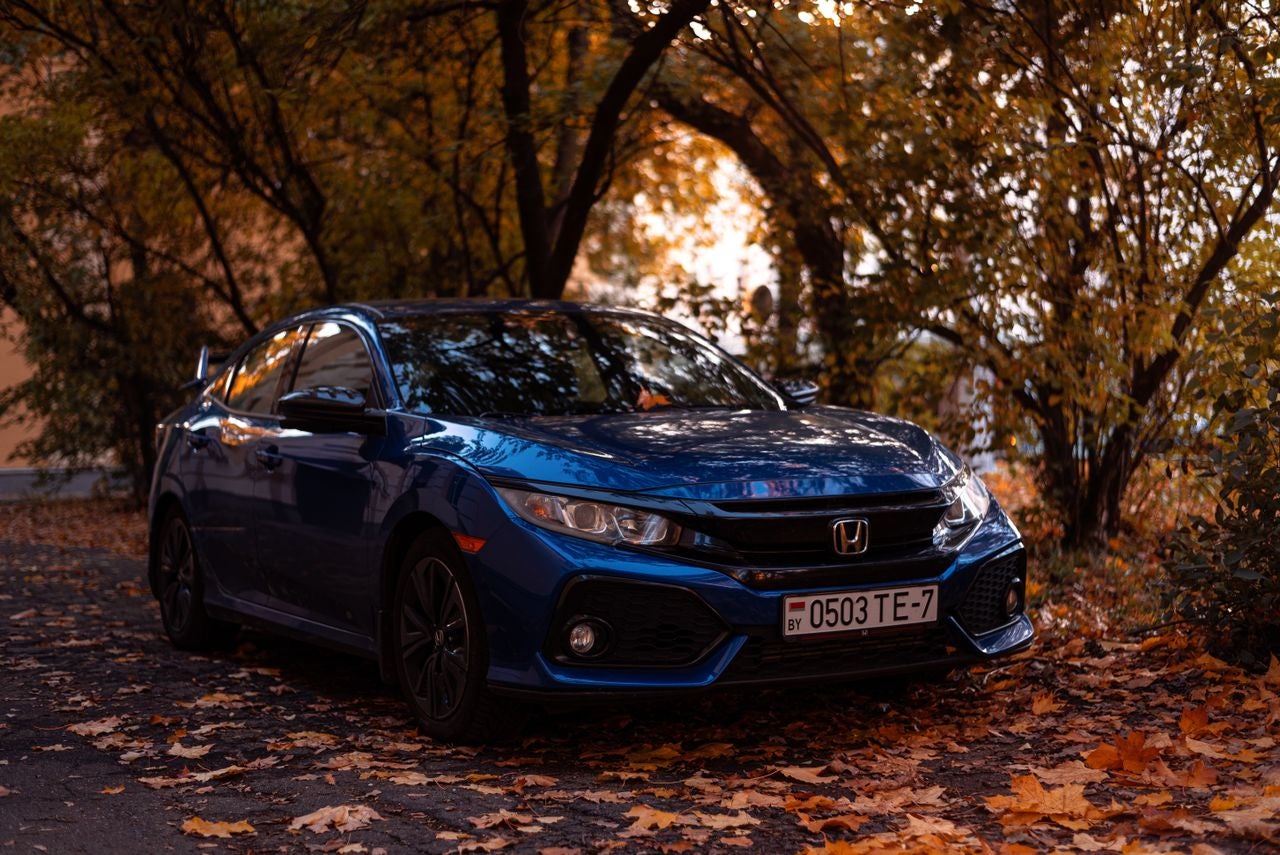
Measure your real life, not your busiest weekend. Think about what you carry most weeks: a stroller, sports bags, groceries, a dog crate. A sedan with fold-down rear seats can swallow more than you'd expect, and the Civic Hatchback is a good example of a small car with a surprisingly useful cargo opening.
When the answer is a minivan
If you have three kids, carpool regularly or install more than two car seats, look hard at the Odyssey before a three-row SUV. Sliding doors are easier in tight parking lots and school pickup lines. Reaching the third row is typically simpler, and a low floor helps small kids and grandparents climb in on their own. Plenty of families shop for a large SUV and drive home happier in a minivan.
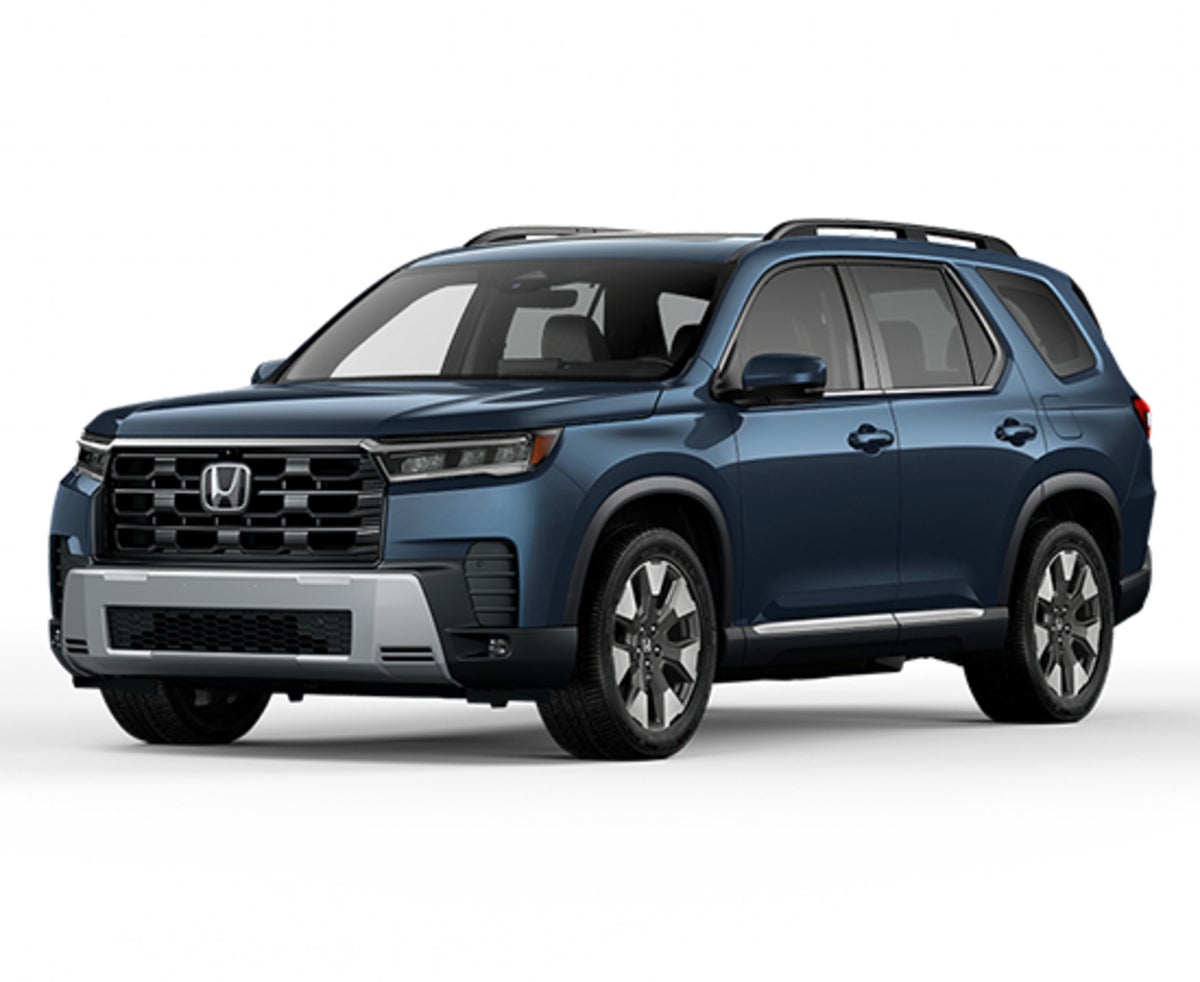
For two kids and a busy schedule, a compact SUV like the CR-V often hits the sweet spot between room and easy parking. Browse our new Honda inventory to compare a CR-V, an Accord and an Odyssey side by side before you visit.
Myth: An SUV costs much more to own
Years ago this was mostly true. Today the gap is narrower than many people assume, though it hasn't disappeared.
Compare total cost, not just the sticker. Beyond the purchase price, weigh:
- Insurance quotes for the exact models you're considering
- Tire replacement, since larger SUV tires usually cost more
- Fuel, using the EPA estimate for each specific version
- Expected resale value down the road
Hybrids have changed the math. Honda offers hybrid powertrains in both cars and SUVs, including the Accord, Civic and CR-V, so choosing an SUV no longer means giving up efficient driving. Check fueleconomy.gov for the trims you're comparing rather than going on general impressions.
Don't overlook pre-owned
If the SUV you want stretches your budget, a certified pre-owned model can close the gap. North Shore Honda offers new Honda and Honda Certified inventory, so you can compare certified pre-owned SUVs against new cars in one visit. Loan terms depend on your credit and the lender, so get a payment estimate before you fall for a particular vehicle.
Myth: You need an SUV's height and clearance
Two different things get lumped together here: seating height and ground clearance. They solve separate problems, so it's worth pulling them apart.
Getting in and out
If you have a sore back or stiff knees, or you lift a toddler into a car seat several times a day, a higher seat is a real benefit, not a luxury. You slide in sideways instead of dropping down into the car. Sit in a sedan and an SUV back to back, and notice how your hips and knees feel climbing out of each.
Clearing the road
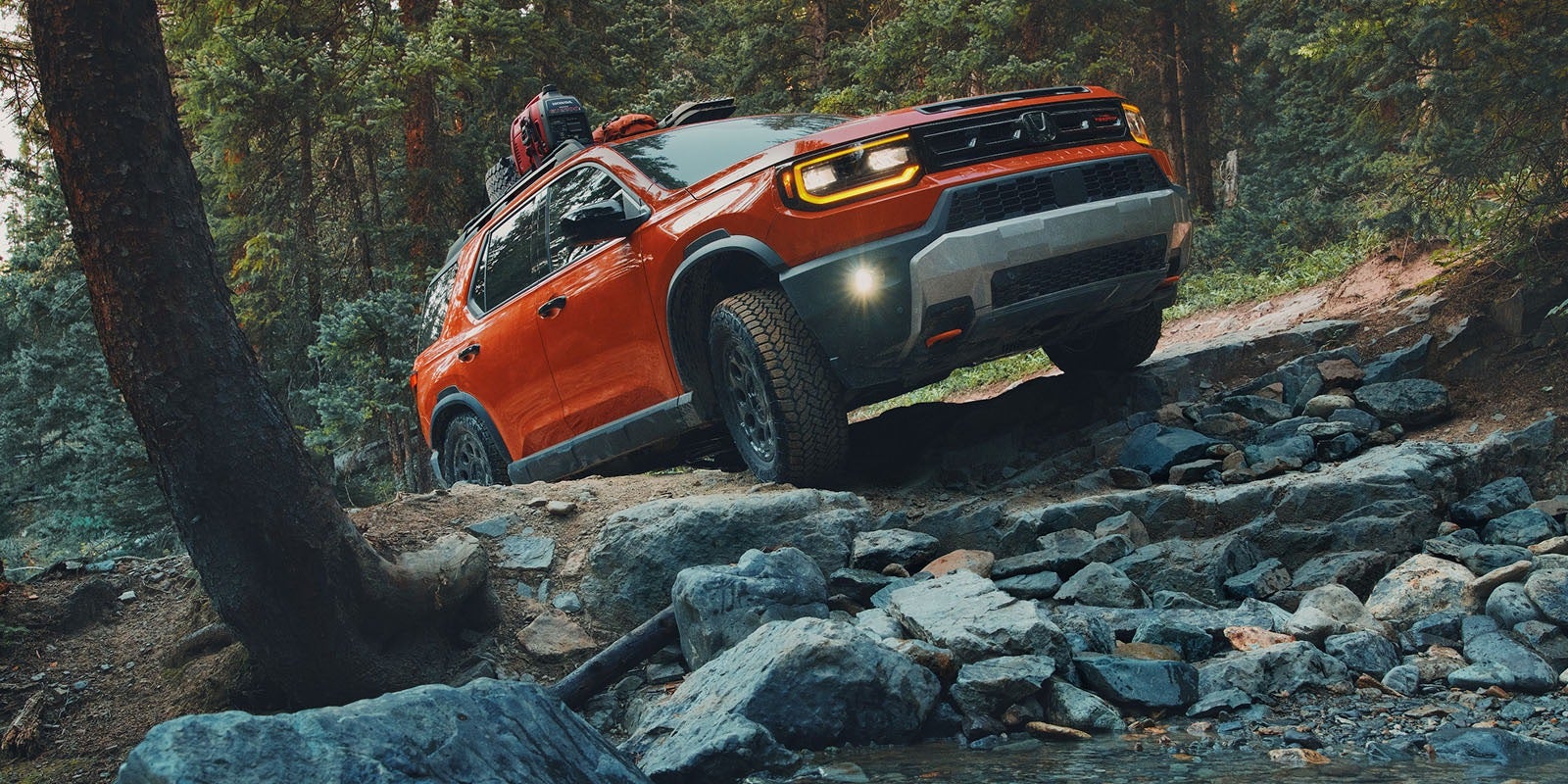
Ground clearance matters less than people expect for typical suburban driving. Paved roads, speed bumps and most driveways are no trouble for a car. Extra clearance does help on rutted dirt roads, sandy beach lots, deep unplowed snow and steep driveway aprons that scrape front bumpers.
If none of those describe your week, you'd be paying for capability you rarely use. A lower car also tends to make loading a roof rack or bike carrier easier, which is a small perk people forget about.
Myth: You'll know the right one when you see it
Showroom impressions are powerful, but they aren't always reliable. The surest way to decide is to test both kinds of vehicle against your actual routine.
Bring your life to the test drive. That means:
- Install your own car seat and check how easily you can reach it
- Load your stroller, golf clubs or hockey bag
- Drive part of your real commute, including a highway merge
- Try your tightest parking spot, or one just like it
- Have the tallest person in your household sit behind the driver
Schedule back-to-back drives of an SUV and a car so the comparison stays fresh. You can book a test drive ahead of time so both vehicles are ready when you arrive.
North Shore Honda is family-owned and operated, and its philosophy is fair, easy, honest and sincere. Come in with your list of must-haves and ask for a straight comparison. If the right answer turns out to be a sedan instead of the SUV you walked in wanting, that's a good outcome too.
Glen Head, NY
- Winter tires do more for snow and ice than body style; all-wheel drive helps you get moving but not stop.
- Check crash-test ratings for the exact model instead of assuming bigger means safer.
- Test an SUV and a car back to back with your own gear, car seats and commute before you decide.
FAQ Common questionsIs all-wheel drive worth it on Long Island?It depends on your driveway and your habits. If you live on a hill, leave before the plows or drive upstate in winter, AWD is a real help getting moving. For mostly flat, plowed suburban roads, a front-wheel-drive car on winter tires handles snow well, and tires are what help you stop. Is a hybrid SUV a good middle ground?For many shoppers, yes. A hybrid like the CR-V Hybrid gives you SUV space and seating height with more efficient driving than a gas-only version. Compare the EPA estimates and price difference for the specific trims to see how quickly the savings add up for your mileage. Should I get a three-row SUV or a minivan?If you'll use the third row often, especially with car seats, a minivan like the Odyssey is usually easier to live with thanks to sliding doors and simpler third-row access. A three-row SUV like the Pilot makes more sense if you also want all-wheel drive or more ground clearance and use the back row only occasionally. |
Want to see it in person? Come by for a test drive, or browse what is on the lot right now. Or call (516) 629-5612 · 611 Glen Cove Rd, Glen Head |